Rocket.new, one of India’s first vibe-coding startups, snags $15M from Accel, Salesforce Ventures
Rocket.new, an innovative startup based in India, has successfully raised $15 million in a seed funding round led by Salesforce Ventures. This substantial investment comes as the company seeks to compete with established vibe-coding platforms such as Lovable, Cursor, and Bolt. Unlike these rivals, Rocket.new empowers users to create fully operational apps directly from natural-language prompts, rather than just developing quick prototypes. Since launching its beta platform in June, Rocket.new has gained significant traction, amassing over 400,000 users worldwide, including more than 10,000 paid subscribers across 180 countries. The startup has also achieved $4.5 million in annual recurring revenue, with ambitions to scale this figure to between $20-$25 million by the end of the year and to reach $60-$70 million by June next year, according to co-founder and CEO Vishal Virani. Founded in Surat—a city better known for its diamond and textile industries—Virani, along with co-founders Rahul Shingala and Deepak Dhanak, has shifted focus from their previous venture, DhiWise, which specialized in developer workflows. "We are building the first vibe solution platform that addresses not just initial challenges but also ongoing issues in app development," Virani explained in a recent interview. Rocket.new aims to develop a holistic system that leverages AI to not only create apps and websites but also to facilitate competitive research and product development, potentially eliminating the need for product managers altogether. Virani describes the current version of their platform as 0.3, stating that it has already facilitated the creation of half a million applications, attracting a diverse user base that includes product managers, solopreneurs, and front-end developers from major companies like Meta, PayPal, and KPMG. Interestingly, around 80% of users are crafting what Virani terms "serious" applications, rather than simple landing pages. Approximately 12% are developing e-commerce platforms, 10% are focused on fintech solutions, and a smaller percentage are creating B2B tools and mental health apps. The platform’s user demographics show that 45% are engaged in mobile app development, while 55% are building websites. Rocket.new's technology incorporates large language models from prominent AI firms such as Anthropic, OpenAI, and Google’s Gemini, combined with its proprietary deep learning systems trained on unique datasets from DhiWise. While generating an initial application may take about 25 minutes—a slower pace compared to other vibe-coding tools—the comprehensive experience provided by Rocket.new has garnered positive feedback during early testing. The platform offers a free trial capped at one million tokens, after which users can subscribe for a monthly fee starting at $25 for five million tokens. This pricing strategy effectively targets serious developers rather than hobbyists, with the company aiming to achieve a gross margin of 60-70% in the near future. The U.S. market stands as Rocket.new’s largest revenue source, accounting for 26%, followed by Europe at 15-20% and India at 10%. To enhance its visibility and service offerings in the American market, the startup is establishing a headquarters in Palo Alto. Virani noted that the initial growth was largely organic, fueled by word-of-mouth and viral marketing. With fresh funding in hand, Rocket.new plans to refine its market strategy, expand its presence in key regions, and accelerate research and development efforts. Kartik Gupta from Salesforce Ventures emphasized the startup's commitment to bridging the gap between AI code generation and the practical demands of production-ready software solutions, stating that Rocket.new is designed to tackle the complexities of iteration, maintenance, and deployment on an enterprise scale. Currently, the company employs a team of 58, primarily based in Surat, with plans to double its engineering and product staff in India within the next year to support its ambitious growth objectives.
India Takes Action Against Jack Dorsey's Bitchat App Amid Protests
In a significant move, India's cybercrime agency, the Indian Cyber Crime Coordination Centre (I4C), has mandated GitHub ...
Business Today | Jul 24, 2026, 10:25
Anthropic Unveils Opus 5: A More Accessible and Powerful AI Model
Anthropic has officially launched its latest AI model, Opus 5, marking a significant addition to its lineup. While it is...
TechCrunch | Jul 24, 2026, 17:10
AI-Driven Overhaul for Prime Video: Bezos Aims to Transform Your Viewing Experience
In a bold move to enhance user engagement, Jeff Bezos is spearheading a significant redesign of Prime Video, emphasizing...
Business Today | Jul 24, 2026, 10:55
Will AI Dampen Originality? An Expert's Cautionary Tale
As artificial intelligence continues to evolve, concerns are rising about its potential impact on innovation and creativ...
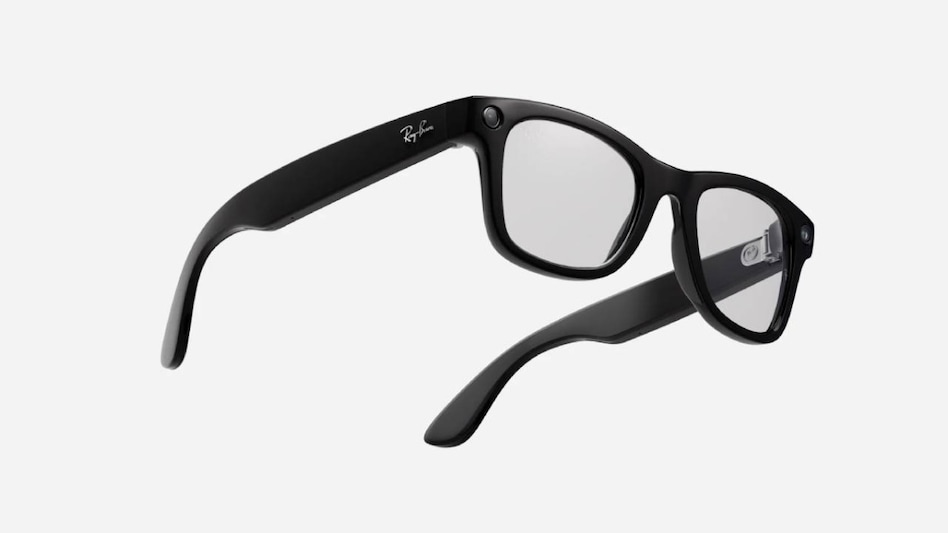
Business Insider | Jul 24, 2026, 15:00Meta Tightens Rules on Smart Glasses to Protect User Privacy on Instagram
Meta has taken a significant step in addressing privacy issues related to smart glasses by implementing new guidelines f...
Business Today | Jul 24, 2026, 11:50