Robinhood’s startup fund stumbles in NYSE debut
Retail investors have long been excluded from the startup investment scene, but Robinhood is attempting to revolutionize this landscape. The company, known for its commission-free trading platform, has introduced the Robinhood Ventures Fund I, which enables the public to invest in a selection of private companies. This fund features eight startups, including notable names like Databricks, Stripe, and Oura, alongside others such as Ramp and Revolut. Initially aiming for a lofty target of $1 billion, the fund has struggled to generate the anticipated interest. As of Thursday, Robinhood reported that the fund had raised $658.4 million, with a potential total of $705.7 million if underwriters fully exercise their options. Shares were offered at $25 but opened trading on Friday at a disappointing $21, marking a 16% drop. This lukewarm reception starkly contrasts with the recent debut of the Destiny Tech100 fund, which provides individual investors access to stakes in 100 venture-backed companies like SpaceX and OpenAI. Upon its NYSE listing in March 2024, shares soared from a reference price of $4.84 to an opening of $8.25, ultimately closing the day at $9.00. The Destiny Tech100 fund has continued to appreciate in value, closing at $26.61 on Friday, significantly above its net asset value of $19.97. So, why does Robinhood's fund seem to be falling flat in comparison? The primary reason appears to be its absence of exposure to high-profile companies expected to achieve enormous valuations, such as OpenAI and SpaceX. In response, Robinhood plans to expand its portfolio, with intentions to incorporate 15 to 20 premier late-stage growth companies, as outlined by Robinhood Ventures President Sarah Pinto. However, gaining access to these coveted startups is no simple task. CFO Shiv Verma mentioned that Robinhood is actively seeking opportunities to connect with OpenAI, but the process of being included on a startup's cap table—essentially the record of equity ownership—is notoriously challenging. A cap table is tightly controlled, and companies typically grant access only to select investors or those who can purchase shares with the company's endorsement. "It’s very difficult to get into any of these companies, and the investment rounds are very expensive," Pinto acknowledged. This highlights the complexities involved in democratizing private investments, as the startups that retail investors are eager to invest in remain largely inaccessible for the time being.
Shifting Focus: The Cost-Effectiveness of AI Models Takes Center Stage
In recent years, the AI sector has been intensely focused on identifying the most advanced models. While this pursuit re...
Business Insider | Jul 25, 2026, 13:10Crisis Averted: Power Line Failure Highlights Urgent Need for Data Center Resilience
A power line failure near Washington, DC, recently showcased a significant challenge faced by the electrical grid due to...
TechCrunch | Jul 25, 2026, 13:50
The Boring Company Eyes $4 Billion Funding Boost Amid Expanding Tunnel Ventures
Elon Musk's tunneling enterprise, The Boring Company, is reportedly negotiating a substantial funding round of $4 billio...
TechCrunch | Jul 25, 2026, 19:50
Nvidia Strikes Major Deal with SK Hynix to Secure AI Memory Supply
Nvidia has successfully forged a significant partnership with South Korea's SK Hynix to secure memory supplies essential...
CNBC | Jul 25, 2026, 05:15
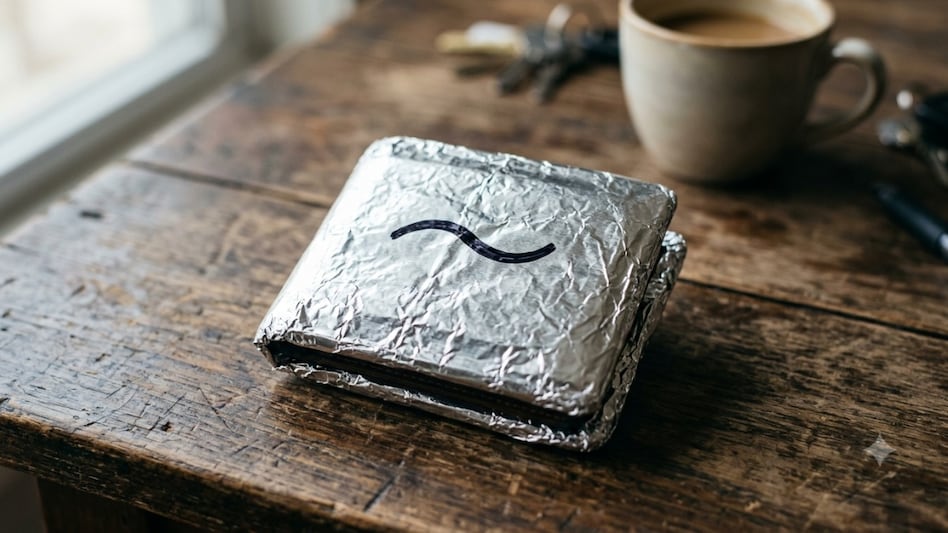
The Aluminum Foil Trend: A DIY Shield Against Wireless Identity Theft
Have you noticed an unusual trend where people are wrapping their wallets in aluminum foil? This peculiar practice has e...
Business Today | Jul 25, 2026, 02:45