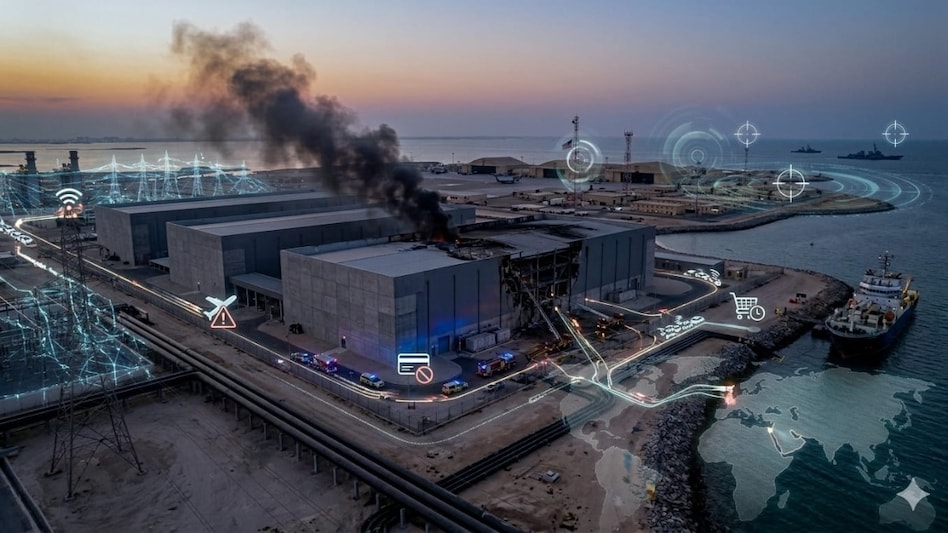
Iran-Israel-US conflict disrupts cloud infra, exposes global digital vulnerabilities
In the wake of the escalating conflict involving the US, Israel, and Iran, significant disruptions to global technology infrastructure have surfaced. On March 1, an Amazon Web Services (AWS) data center located in the United Arab Emirates was hit by unidentified objects, resulting in a fire and a partial shutdown of operations. AWS later reported widespread power and connectivity issues affecting multiple availability zones in the UAE, along with related problems in Bahrain. While the world’s focus remains on military strategies and oil markets, this incident highlights a critical vulnerability: in today’s interconnected landscape, warfare increasingly puts digital infrastructure to the test. Over the last decade, major cloud service providers have expanded their data center capabilities across West Asia, transforming the region into a vital hub for the global digital economy. With artificial intelligence workloads increasingly hosted in these facilities, key internet routes connecting Europe, Asia, and Africa pass through West Asia, amplifying exposure to risk. Data centers, once viewed as secure and remote, are now at risk just like any other strategic assets. The recent AWS incident exemplifies how a single disruption can impact multiple availability zones. Whether through direct physical damage or instability in power supplies, even brief outages can create cascading effects that reach banking systems, aviation networks, and e-commerce platforms far beyond the immediate area. According to Pareekh Jain, CEO of EIIRTrend & Pareekh Consulting, the digital infrastructure in Gulf states such as the UAE, Bahrain, Saudi Arabia, Kuwait, and Qatar faces heightened risk due to the presence of US military bases, making them prime targets for retaliatory strikes. In contrast, Israel, while also at risk, has developed resilience due to its ongoing threats. These outages in the UAE have led to significant traffic rerouting to servers in the US and Europe, causing networking bottlenecks and issues for AI-driven platforms like Claude and Copilot, which rely on low-latency data flows. Jain notes that cloud disruptions can lead to delays in model training and affect real-time applications. The financial sector is already feeling the impact. Banking systems in the Gulf and Israel that depend on cloud services have experienced downtime, disrupting mobile payments and app transactions, including issues at major institutions like Abu Dhabi Commercial Bank. Businesses have also reported hosting interruptions, forcing them to switch to more costly alternatives while exposing vulnerabilities tied to dependence on single availability zones. Additionally, undersea cables near the Red Sea and the Strait of Hormuz are critical chokepoints for global internet traffic. While targeted attacks on these cables are rare, naval conflicts or sabotage can disrupt traffic and increase latency across continents. A previous incident in September 2022 saw damage to undersea cables in the Red Sea, which disrupted internet access in parts of Asia and West Asia, affecting Microsoft Azure services. As digital networks now serve as a parallel battlefield, modern conflicts extend beyond physical confrontations. Cybersecurity firm Check Point Software Technologies has warned of an impending rise in cyber activity across West Asia, the US, and other nations that Iran perceives as adversaries. Sanchit Vir Gogia, CEO and chief analyst at Greyhound Research, points out that cyber operations can scale rapidly and offer deniability that physical attacks cannot. As tensions escalate, disruptions in energy, utilities, banking, telecom, and government systems could have domino effects across various industries, affecting everyday services. The current situation underscores the intricate links between global cloud networks, undersea cables, and the stability of geopolitical relations. For now, while the disruptions remain manageable, the ongoing conflict has exposed just how intertwined our digital and geopolitical landscapes have become.
Elon Musk Faces Major Setbacks as Tesla and SpaceX See Significant Stock Declines
It has been a challenging week for Elon Musk, as both Tesla and SpaceX experienced substantial stock declines. Tesla sha...
CNBC | Jul 24, 2026, 20:40
Unlocking the Secrets of Quantum Gravity: Can AI Help Physics Make a Leap?
The realm of scientific research is undergoing a profound transformation, fueled by the rapid advancements in artificial...
Business Today | Jul 25, 2026, 24:30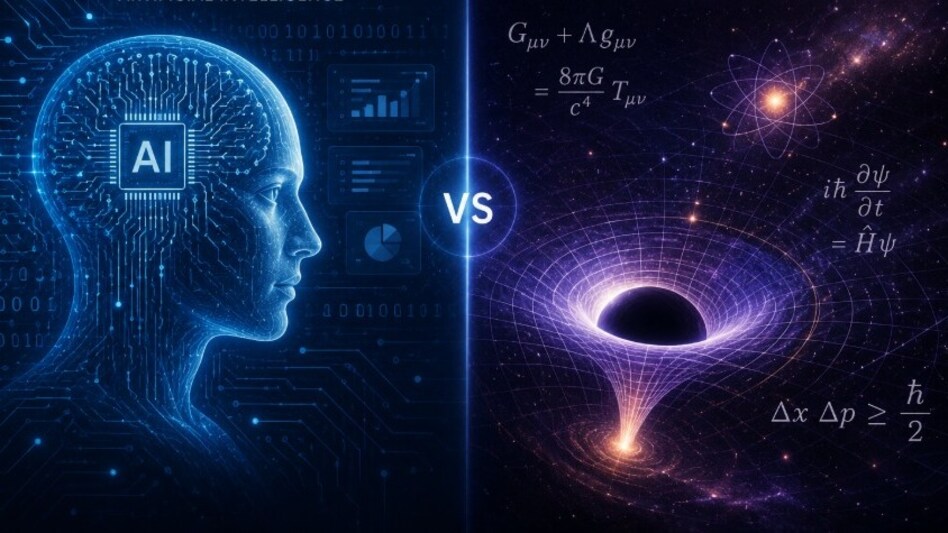
Unveiling the Future of Finance: TechCrunch Disrupt 2026's Smart Money Stage
The landscape of money is transforming beyond just cash or bank balances, and TechCrunch Disrupt 2026 is set to spotligh...
TechCrunch | Jul 24, 2026, 22:40
Vision Breakthrough: US Startup Launches Groundbreaking Retina Chip in Europe
Science Corp is poised to introduce a revolutionary retina chip in Europe, designed to restore partial vision for indivi...
Business Today | Jul 25, 2026, 01:00
Revolutionizing Office Automation: Prentis Aims to Secure $100 Million in Funding
Prentis, a newly established AI research lab, is making waves in the tech industry as it prepares to raise $100 million ...
TechCrunch | Jul 25, 2026, 24:00