
About 12% of U.S. teens turn to AI for emotional support or advice
A recent study by the Pew Research Center reveals a notable trend among American teenagers: approximately 12% are turning to AI chatbots for emotional guidance or support. This report underscores the growing role of AI in the daily lives of young individuals, where the primary uses include information retrieval (57%) and academic assistance (54%). However, a significant portion of this demographic is also utilizing these tools to replace traditional social interactions with friends or family. While 16% of teens engage with AI for casual conversations, mental health professionals express concern over the implications of such reliance. Experts, including Dr. Nick Haber from Stanford University, caution against the potential isolating effects of these chatbots. He noted that while these tools may provide temporary comfort, they are not substitutes for real human connections. “We are social creatures, and there’s certainly a challenge that these systems can be isolating,” he stated. The survey also highlights a gap between teenagers' self-reported use of AI and their parents' perceptions. While 64% of teens claim to use chatbots, only 51% of parents believe their children do. Most parents are supportive of AI usage for information and homework help, but approval drops significantly for casual conversations (28%) and emotional support (18%). Notably, 58% of parents disapprove of their teens using AI for emotional purposes. The debate surrounding AI safety continues to be a prominent issue in the tech industry. Following serious incidents, including two tragic suicides linked to interactions with their chatbots, Character.AI has restricted chatbot access for users under 18. In contrast, OpenAI recently phased out its GPT-4o model, which had gained popularity among users seeking emotional support, amid backlash from those who relied on it. Despite the widespread use of AI chatbots, teenagers exhibit mixed feelings about their societal impact. When asked about the future of AI over the next two decades, 31% of teens anticipate a positive influence, while 26% foresee negative consequences. This divide reflects the ongoing conversation about the role of AI in emotional well-being and the future of human interaction.
Google Faces €890 Million Penalty in Landmark EU Digital Markets Act Enforcement
European regulators have imposed a hefty fine of €890 million (approximately $1 billion) on Google, citing the company's...
CNBC | Jul 23, 2026, 10:25
iPhone 17 Series Price Surge Expected in India: Up to ₹12,000 Increase
Apple is reportedly planning to raise prices for the iPhone 17 series in India, mirroring recent price hikes in Japan. S...
Business Today | Jul 23, 2026, 10:10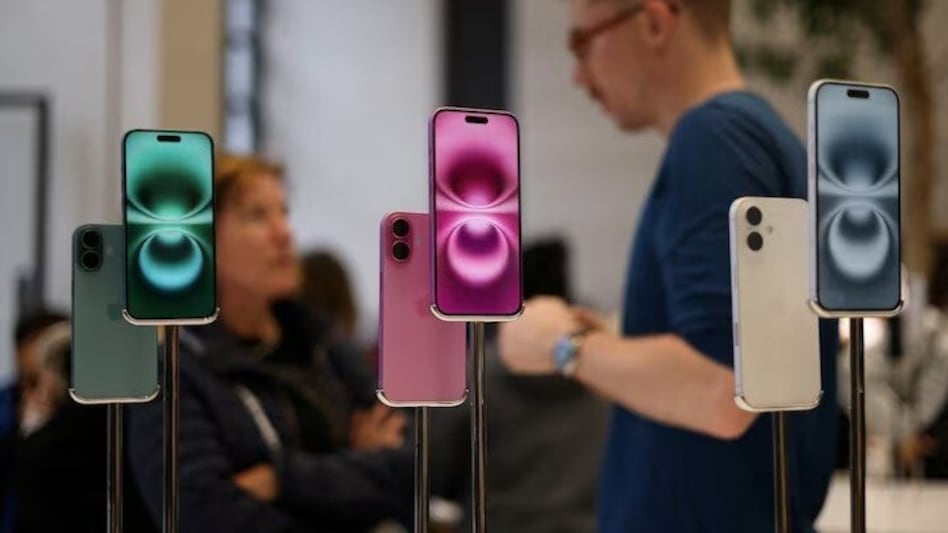
Elon Musk Urges Tesla to Ramp Up AI Investments Despite Potential Waste
In a bold move, Elon Musk has emphasized the need for Tesla to significantly increase its spending on artificial intelli...
Business Insider | Jul 23, 2026, 11:05Moonshot AI's Visionary Founder: The Traits Behind His Meteoric Rise
Yang Zhilin, the 34-year-old cofounder of Moonshot AI, has recently captured the attention of the tech world with the la...
Business Insider | Jul 23, 2026, 12:30OpenAI Sets Its Sights on Legal Tech: A New Era for Attorneys
OpenAI is stepping into the legal tech arena, shifting its focus from merely empowering startups to directly engaging wi...
Business Insider | Jul 23, 2026, 09:05