
Ring introduces a new encryption standard, makes it the default for cloud features
On Wednesday, Ring, the smart home subsidiary of Amazon, announced the implementation of a new encryption protocol known as TAKE (Throw Away the Key Encryption). This will become the default setting for video encryption and user control within its cloud services. The TAKE standard aims to bolster user privacy while avoiding the limitations associated with traditional end-to-end encryption. According to Ring, this new approach allows for essential features such as video search and the ability to share access with trusted users, which end-to-end encryption often restricts. Under the TAKE framework, Ring employs a dynamic set of encryption keys that are temporarily held in the cloud. Access to these keys is exclusive to the company, enabling it to activate certain user-requested features. Importantly, once the necessary processes are completed, these keys are deleted within 24 hours, ensuring enhanced privacy. In a blog post, Ring emphasized, "With TAKE, we provide the smart features you depend on, like Smart Alerts, while ensuring the encryption key is discarded afterward. Only you have access to your video keys." The foundation of this new encryption method is built on Messaging Layer Security (MLS), an open messaging standard created by the Internet Engineering Task Force. The company further explained that if users ever lose access to their devices, they can recover their encryption keys by simply approaching their Ring cameras. Alternative recovery methods include using a passphrase, cloud backups, or another authenticated device. Ring plans to gradually roll out the TAKE standard starting in September, making it the default encryption method globally. Additionally, users will still have the option to select end-to-end encryption if preferred. Recently, Ring has faced scrutiny over its "Familiar Faces" feature, which utilizes facial recognition technology to identify visitors. A class action lawsuit filed in June alleged that Amazon improperly stored images of individuals without their consent.
Nvidia's CEO Dismisses Succession Planning Amid Controversy
Nvidia's co-founder and CEO, Jensen Huang, recently addressed employees in a comprehensive all-hands meeting, touching o...
TechCrunch | Nov 24, 2026, 22:50
LinkedIn CEO Highlights Gen Z's Potential Edge in AI-Driven Job Market
As the job landscape becomes increasingly challenging for young professionals, LinkedIn's CEO, Daniel Shapero, suggests ...
Business Today | Nov 25, 2026, 24:25
Trump Open to Pardon for Nvidia's Huang Amid Controversies
As Nvidia’s CEO Jensen Huang faces intense scrutiny from Congress regarding alleged ties to China and possible export co...
Business Today | Nov 25, 2026, 02:40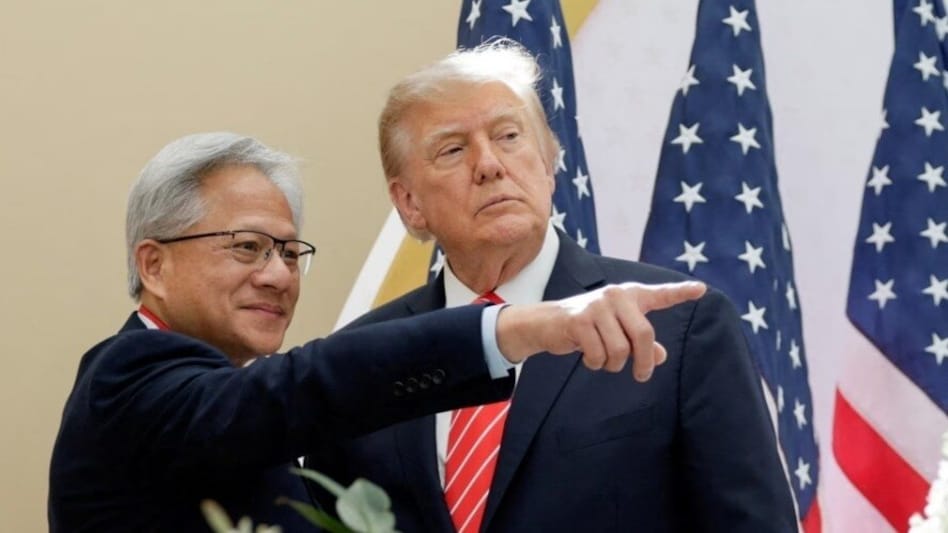
AI Assistants Struggle to Handle Everyday Tasks, New Research Reveals
In recent months, AI firms have been promoting personal AI agents as solutions to alleviate the mundane aspects of daily...
TechCrunch | Nov 24, 2026, 21:45
Nvidia's Board Shake-Up: The High-Stakes Return of Jensen Huang
Nvidia's CEO Jensen Huang has received unwavering support from longtime board members Tench Coxe, Mark Stevens, and Harv...
CNN | Nov 24, 2026, 23:00