
How Ricursive Intelligence raised $335M at a $4B valuation in 4 months
In a remarkable feat within just four months of launching, Ricursive Intelligence has secured $335 million in funding, achieving a staggering valuation of $4 billion. Co-founders Anna Goldie, CEO, and Azalia Mirhoseini, CTO, both well-respected figures in the AI sector, have quickly made waves since their inception. Goldie and Mirhoseini, who previously collaborated at Google Brain and were early employees at Anthropic, are renowned for their development of the Alpha Chip, a groundbreaking AI tool capable of generating intricate chip layouts in mere hours—a task that typically demands a year from human designers. This innovative tool played a pivotal role in the design of three generations of Google’s Tensor Processing Units. The startup's recent funding round, led by Lightspeed, follows a $35 million seed round backed by Sequoia. Unlike many AI chip startups vying for a position against Nvidia, Ricursive focuses on developing AI tools that automate and accelerate chip design rather than producing chips themselves. Notably, Nvidia is an investor in Ricursive, along with major players such as AMD and Intel, who are also their target clientele. “We aim to facilitate the creation of various types of chips—be it custom or traditional—through an automated and expedited process powered by AI,” Mirhoseini stated. The duo's professional journey began at Stanford, where Goldie earned her PhD and Mirhoseini served as a computer science instructor. Their synchronized career path has seen them share pivotal moments, from their simultaneous start and departure at Google Brain to their joint ventures at Anthropic and back to Google. Their innovative work on the Alpha Chip earned them significant recognition, but it also attracted its share of controversy. Reports indicated that a colleague at Google faced termination after years of attempting to undermine their contributions, which ultimately shaped some of Google’s essential AI chips. Ricursive Intelligence's platform leverages AI to enhance chip design, utilizing a reward system that evaluates design quality and refines the deep neural network accordingly. This method allows the AI to learn from experience and improve with each design iteration, significantly increasing both efficiency and speed. The founders envision a future where their AI-driven platform not only streamlines the chip design process but also contributes to advancements in artificial general intelligence (AGI). By designing chips tailored for AI applications, they believe they can accelerate AI development while increasing hardware efficiency. “We could devise a computer architecture specifically tailored to our models, potentially achieving up to a tenfold improvement in performance relative to total ownership costs,” Goldie remarked. As Ricursive prepares to partner with major chip manufacturers, the founders express excitement over the potential impact of their innovations on the technology landscape, aiming to foster a new era of AI advancement.
Japan Unveils Revolutionary Cooling Booth for Relief from Record Heat
In response to the unprecedented heatwave sweeping across Japan, a local refrigeration company has launched an innovativ...
Business Today | Jul 22, 2026, 09:20
Nvidia's New Whitelist Strategy: Implications for AI Chip Access in India
AI chips have transitioned from niche computing components to critical assets that underpin technologies like generative...
Business Today | Jul 22, 2026, 10:15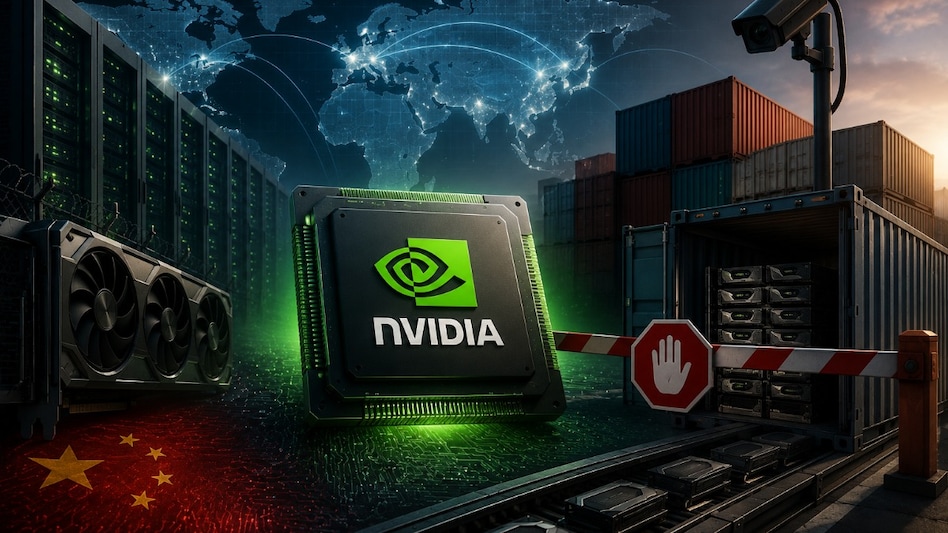
Samsung Unveils Ambitious Smart Glasses to Compete with Meta's Dominance
On Wednesday, Samsung revealed exciting details about its forthcoming smart glasses, aimed at challenging Meta's strongh...
CNBC | Jul 22, 2026, 13:20
Passionfroot Secures $15 Million to Broaden B2B Creator Marketplace in the U.S.
Passionfroot, a Berlin-based startup connecting B2B creators with brands, has successfully raised $15 million in a Serie...
TechCrunch | Jul 22, 2026, 13:10
Samsung Launches New Foldables as Apple Prepares to Join the Race
The ongoing rivalry between Apple and Samsung in the smartphone arena is set to take a new turn. On Wednesday, Samsung u...
CNN | Jul 22, 2026, 13:10