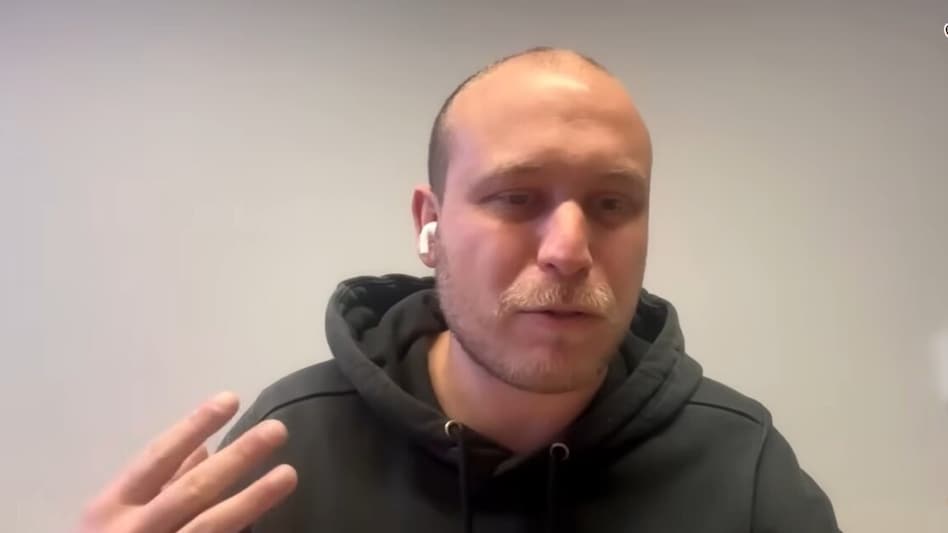
What comes after vibe coding? Claude Code creator Boris Cherny has an answer
A new frontier in AI-driven software development is emerging, shifting the focus from human-generated prompts to autonomous systems where AI agents collaboratively enhance each other's capabilities. Boris Cherny, co-founder of Anthropic and the mind behind Claude Code, emphasizes that the era of manual prompting is fading. He introduces the concept of "loop engineering," where AI agents autonomously generate prompts and work towards objectives with minimal human oversight. Cherny explained to Business Insider, "It’s an agent that prompts Claude. I don’t write the prompt anymore. Claude writes the prompt, and now I’m talking to that new Claude that is coordinating." This transition signifies a departure from the previous method known as "vibe coding," where developers articulated their needs, allowing AI tools to generate the corresponding code. In this loop-based paradigm, users can set broad goals using commands like `/goal`. Subsequently, AI agents will strategize tasks, execute them, evaluate the outcomes, and iteratively refine their approach until the desired objective is achieved. Peter Steinberger, creator of OpenClaw at OpenAI, shared insights on this evolution, stating, "You shouldn’t be prompting coding agents anymore. You should be designing loops that prompt your agents." The potential applications of these systems are vast. For instance, one agent could be tasked with coding while another conducts independent reviews of that code. Additionally, agents could autonomously assess software repositories, identify outstanding tasks, and delegate work across multiple threads. Addy Osmani from Google Cloud outlined that effective agent loops rely on five essential components: automations, worktrees, skills, plugins, connectors, and sub-agents. Together, these elements enable AI systems to utilize tools, distribute tasks, and function continuously without requiring constant human input. As the role of developers evolves, they may increasingly find themselves in managerial positions, focusing on job design and team oversight. Claire Vo, founder of ChatPRD, remarked, "This is the time for the manager. You are designing a job. Just imagine you’re onboarding an employee — that employee could be an assistant, a customer service agent, or a software engineer." However, this newfound autonomy comes with increased computational demands. Agent networks that frequently access models, review outputs, and restart tasks may rapidly deplete token budgets. Developers will face decisions on whether to schedule tasks on a minute-by-minute, hourly, or daily basis. Osmani also cautioned against the premature use of specialized sub-agents, suggesting that the additional costs should only be justified when a task genuinely benefits from an alternative perspective.
Revolutionizing Drug Discovery: Stanford's AI-Driven Virtual Biotech Company
Imagine a biotechnology firm that requires no human employees or physical offices. Researchers at Stanford Medicine have...
Business Today | Sep 19, 2026, 20:45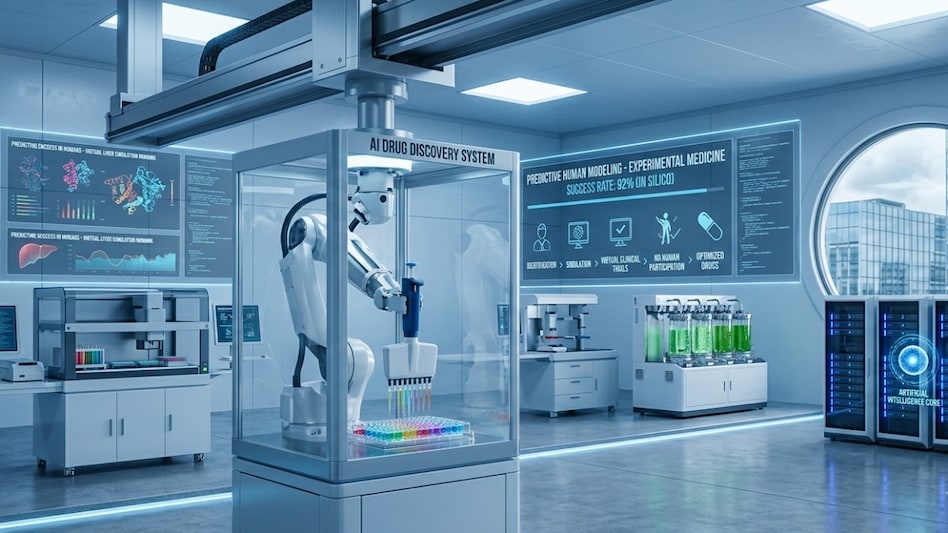
Flock Safety Implements Employee Buyouts Amid Backlash
Flock Safety, a company grappling with challenges in the surveillance technology sector, has announced a new voluntary e...
TechCrunch | Sep 19, 2026, 20:55
Essential Steps Before Changing Your WhatsApp Number
Switching your WhatsApp number might seem straightforward, especially if you're upgrading to a new SIM or changing your ...
Business Today | Sep 20, 2026, 02:25
The Debate Over AI Kill Switches: A Timely Solution or a Pipe Dream?
The concern surrounding artificial intelligence's potential risks has intensified recently, sparking discussions at dinn...
CNBC | Sep 19, 2026, 12:15
The Growing Dilemma of AI Safety: Fact or Fiction?
This week, two discussions concerning AI safety gained significant attention, highlighting the challenges of separating ...
TechCrunch | Sep 19, 2026, 15:35