How AI is inspiring companies to adopt skills-based hiring
The landscape of hiring is undergoing a significant transformation, driven by the surge of artificial intelligence (AI) in recruitment processes. Companies are increasingly prioritizing skills over traditional qualifications such as degrees, a shift that is not only redefining what employers seek in candidates but also expanding the talent pool. According to Lauren Winans, CEO of Next Level Benefits, this change allows companies to adapt more rapidly to evolving job requirements. As industries demand expertise in areas like data science and machine learning, organizations are recognizing that skills acquired through hands-on experience are often more valuable than formal education. Reports indicate that major companies like Google and IBM have already eliminated degree prerequisites for certain positions, reflecting a broader trend where approximately 25% of employers plan to abandon degree requirements in favor of relevant experience. Anthony Donnarumma, CEO of the recruiting firm 24 Seven, emphasizes that skills-based hiring is becoming essential as organizations embrace AI technologies. By focusing on skills rather than degrees, companies can fill positions more efficiently and enhance productivity, as applicants are often more prepared to meet job demands right from the start. This skills-first approach not only benefits employers but also opens new doors for employees. Lisa Highfield, from McLean & Company, notes that this strategy promotes workforce diversity and career advancement opportunities, enabling workers to compete based on their competencies rather than their educational backgrounds. AI is playing a crucial role in facilitating this shift. Kara Ayers, SVP of global talent acquisition at Xplor Technologies, shares that her company has integrated an AI-driven applicant tracking system that assesses candidates based on skills alignment and potential. Since implementing this system, Xplor Technologies has significantly reduced the time taken to fill roles, cutting the average duration from over 60 days to fewer than 30. However, the successful application of AI in hiring requires organizations to have structured frameworks and reliable data. Winans points out that companies need clear performance metrics and skill analytics integrated into their hiring workflows. Transitioning to a skills-based hiring model can be resource-intensive, and leadership may need to challenge their existing beliefs regarding educational qualifications. While AI presents tremendous opportunities for improving hiring processes, concerns regarding AI bias must be addressed. Donnarumma stresses the importance of governance in AI-driven recruitment to ensure fairness and objectivity. Ayers advises that companies should approach AI thoughtfully and ensure that both candidates and organizations maintain authenticity in their hiring practices, striking a balance in their reliance on technology.
Apple's Smart Glasses: Balancing Innovation with Privacy Concerns
As Apple gears up for the debut of its first smart glasses, the tech giant is facing the critical challenge of addressin...
TechCrunch | Jul 26, 2026, 21:20
Unleashing the Power of AI: The 5 Smartphones Redefining Mobile Photography
Artificial Intelligence (AI) is transforming our daily experiences, permeating various aspects of technology, including ...
Business Today | Jul 26, 2026, 07:05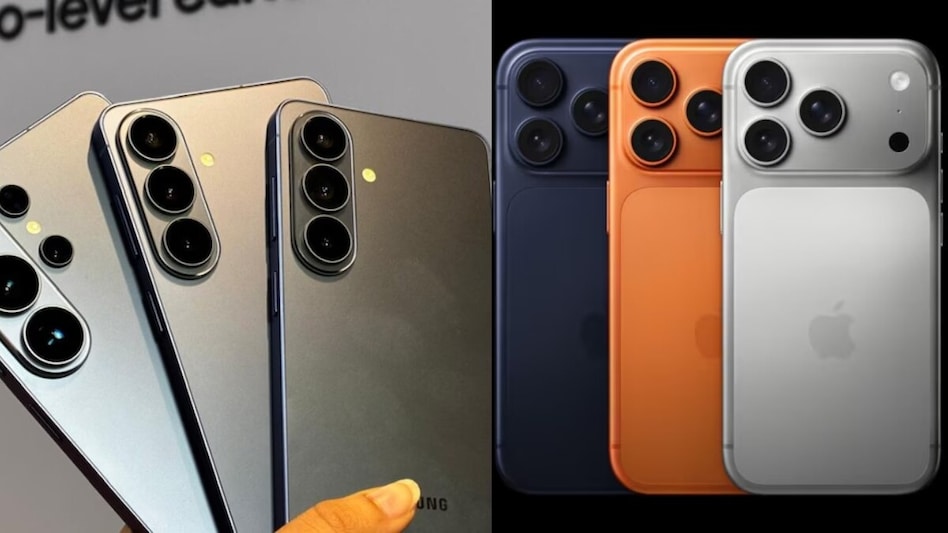
Uber's Former CEO Makes Waves with New Ventures Amidst Tesla's Earnings Update
In the ever-evolving landscape of transportation, recent developments have come to the forefront, particularly surroundi...
TechCrunch | Jul 26, 2026, 16:25
Revolutionizing Startup Living: Inside London's Unique Lift House
In East London, a group of six young entrepreneurs is redefining the concept of collaborative living for tech founders. ...
TechCrunch | Jul 26, 2026, 17:10
Reclaiming Control: Librarians Host Workshops to Help People Navigate AI Tools
In a lively library setting in South Philadelphia, Charlie Bailey, a local librarian, humorously noted, "Everybody’s on ...
TechCrunch | Jul 25, 2026, 16:20