
Microsoft-backed VEIR is bringing superconductors to data centers
The escalating power requirements of data centers have surged dramatically, increasing from tens to 200 kilowatts in just a few years. This rapid growth has left developers racing to create future facilities capable of managing such high demands. Tim Heidel, CEO of Veir, emphasized the urgency of the situation, stating, "In the next couple of years, it’s going to be 600 kilowatts, and then we’re going to a megawatt." To address these challenges, Veir has innovatively adapted superconducting electrical cables for use within data centers. Their groundbreaking product features a cable system that can transport up to 3 megawatts of low-voltage electricity. To showcase their technology, the company has constructed a simulated data center near its Massachusetts headquarters, with plans for real-world trials in various data centers next year ahead of a commercial rollout slated for 2027. Superconductors, known for their ability to conduct electricity without any energy loss, present a unique challenge as they must be maintained at extremely low temperatures. Veir has transitioned from focusing solely on long-distance transmission lines to addressing the immediate needs of data centers, responding to a growing recognition among potential customers of pressing infrastructure challenges. The startup has leveraged the same core technology initially developed for high-voltage applications, tailoring it to meet the low-voltage demands of data centers. By sourcing superconductors from established suppliers, Veir integrates these advanced materials with a liquid nitrogen cooling system that maintains temperatures around -196˚ C (-321˚ F). The innovative design includes termination boxes that facilitate a seamless transition from superconductors to standard copper cables. According to Heidel, "We’re really a systems integrator that builds cooling systems, manufactures the cables, and assembles the entire system to deliver substantial power in a compact space." The outcome is remarkable: cables that occupy 20 times less physical space than traditional copper while transmitting power five times farther. Heidel noted the urgency within the AI and data center sectors to find effective solutions, highlighting the intense competitive pressure to remain at the cutting edge of technology.
SpaceX Successfully Tests Starship Rocket, Launching New Era of Space Exploration
On Friday evening, SpaceX executed a significant milestone by launching its colossal Starship rocket from its facility i...
CNBC | Jul 25, 2026, 24:10
The Aluminum Foil Trend: A DIY Shield Against Wireless Identity Theft
Have you noticed an unusual trend where people are wrapping their wallets in aluminum foil? This peculiar practice has e...
Business Today | Jul 25, 2026, 02:45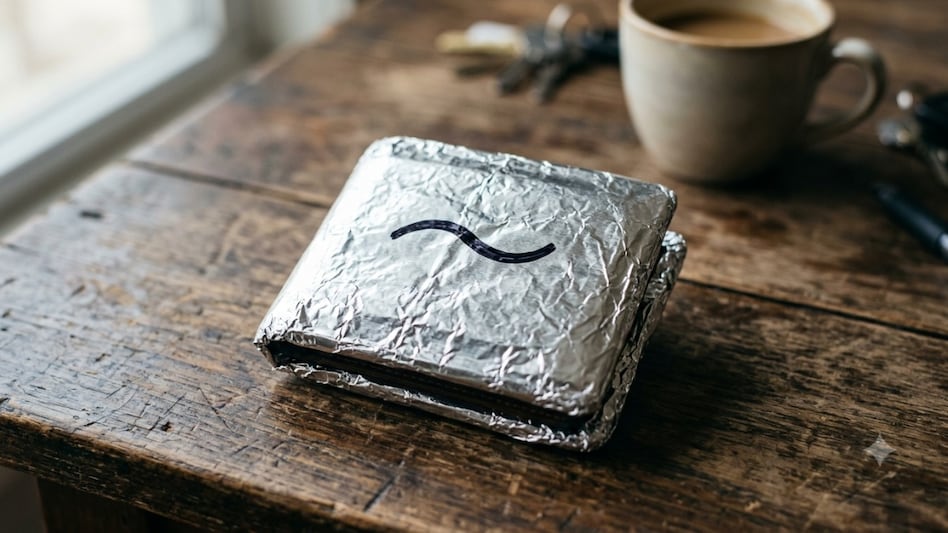
Revolutionizing Office Automation: Prentis Aims to Secure $100 Million in Funding
Prentis, a newly established AI research lab, is making waves in the tech industry as it prepares to raise $100 million ...
TechCrunch | Jul 25, 2026, 24:00
Finland Unveils World's Largest Sand Battery to Tackle Renewable Energy Challenges
In a groundbreaking move to address the critical issue of renewable energy intermittency, a small town in southern Finla...
CNBC | Jul 25, 2026, 05:35
Waymo Considers Parting Ways with Uber Amid Rising Tensions
Waymo is reportedly exploring options to exit its partnership with Uber, which has allowed the Alphabet-owned firm to de...
TechCrunch | Jul 24, 2026, 21:00