I've worked with AI in pathology for years. AI is the key to keeping up with a bigger workload — and it's a non-negotiable for doctors.
Artificial Intelligence (AI) is making significant waves in the field of pathology, offering solutions to cope with the growing complexities of medical diagnoses. Dr. Cheng Chee Leong, head of the anatomical pathology department at Singapore General Hospital, emphasizes the critical role of accurate diagnostics in effective treatment. In his work, pathologists analyze tissue samples under microscopes to identify diseases, a task that is becoming increasingly demanding due to an aging population with multifaceted health issues. As the elderly demographic grows, pathologists are faced with more intricate cases, often requiring attention to numerous parameters for each specimen. Previously, a prostate biopsy might involve just four parameters; now, this can escalate to 20 or even 30, amplifying workloads significantly. This surge in demand highlights the unsustainable nature of current practices, as increasing manpower to match this workload is not feasible. Here, AI emerges as a pivotal ally, enabling professionals to manage greater quantities of data and parameters efficiently. AI's ability to quickly identify areas of interest within tissue samples can enhance both diagnostic confidence and operational efficiency. Dr. Leong, who has over twenty years of experience in medical informatics, recalls the integration of machine learning tools into digital pathology starting a decade ago. One notable project, conducted between Singapore General Hospital and AI Singapore, aimed to differentiate between fibroepithelial lesions that can masquerade as one another, enhancing diagnostic precision and treatment guidance. Despite its potential, AI is not without limitations. Its effectiveness hinges on the quality and diversity of input data, and there remains a margin of error in even the most advanced algorithms. AI's current challenge lies in its adaptability, particularly in atypical scenarios or when encountering tissue processed differently. For instance, samples from international labs may yield inconsistent results, and AI can misinterpret certain anomalies. The necessity for human oversight in pathology remains critical. While AI can assist in processing data and improving efficiency, the nuanced understanding and experience of trained professionals are vital for accurate diagnoses. As AI technology evolves and improves with more training data, there is potential for it to enhance diagnostic processes further. However, Dr. Leong stresses that AI will not replace human practitioners; instead, the future of healthcare will demand a collaborative approach where AI and human expertise work in tandem. In conclusion, the advent of AI in pathology is set to transform the field, requiring practitioners to adapt and refine their skill sets to meet the changing landscape of healthcare. As the integration of AI continues, it promises a future where diagnostics are not only quicker but also more accurate, ultimately benefiting patient care.
Transform Your Comfort: The Dyson Hot+Cool HF1 Review
The Dyson Hot+Cool HF1 is an innovative 2-in-1 appliance designed to provide optimal comfort throughout the year, seamle...
TechCrunch | Jul 17, 2026, 18:25
Databricks Achieves $188 Billion Valuation Amid AI Revolution
Databricks has announced a significant new funding round that values the company at an impressive $188 billion, followin...
TechCrunch | Jul 17, 2026, 22:15
Nvidia CEO's Iconic Leather Jacket Fetches Nearly $1 Million at Auction
Jensen Huang, the CEO of Nvidia, is known for his distinctive style, often sporting a leather jacket that has become his...
CNBC | Jul 17, 2026, 23:25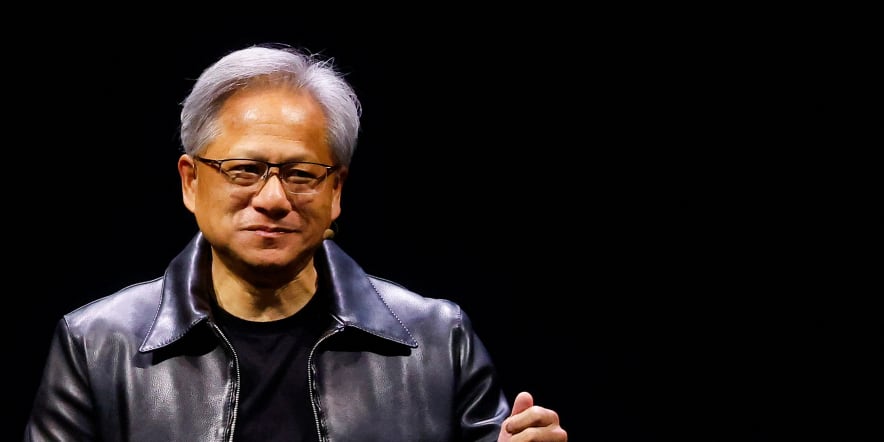
Anand Mahindra: AI Will Transform, Not Replace, India's IT Landscape
Anand Mahindra, Chairman of the Mahindra Group, has asserted that artificial intelligence (AI) will fundamentally transf...
Business Today | Jul 17, 2026, 16:20
Kid-Safe Phone Innovations: A New Wave of Parental Control
With rising concerns among parents regarding unrestricted smartphone access for children, numerous companies are steppin...
TechCrunch | Jul 17, 2026, 16:25