
DeepMind CEO Says AI Could Shorten Drug Discovery From Years to Months
The lengthy and often costly process of developing new medications is on the verge of a transformative change, according to Demis Hassabis, the CEO of DeepMind, Alphabet Inc.'s artificial intelligence lab. In a recent interview, he expressed optimism that advancements in AI could reduce the drug discovery timeline from several years to mere months. Hassabis highlighted the ambitious goal of completing drug discovery in under a year, aiming for even more rapid progress in the near future. As the head of both Google DeepMind and Isomorphic Labs—an Alphabet division dedicated to this purpose—he emphasized the potential of AI-powered solutions to significantly enhance the efficiency of pharmaceutical research. Since its establishment in 2021, Isomorphic Labs has formed strategic partnerships with major pharmaceutical companies like Eli Lilly & Co. and Novartis AG. These collaborations are seen as pivotal in expediting patient access to groundbreaking therapies while also reducing development expenses. The application of advanced algorithms to analyze vast amounts of molecular data has already made significant strides in this field. Despite the promise, it's important to note that no AI-designed medications have yet passed clinical trials, meaning that innovative drugs have yet to reach the market for patients. Earlier this year, Hassabis announced plans to initiate clinical trials for AI-generated drugs by year-end, but updates on this timeline remain sparse. In a conversation from his London office, Hassabis mentioned that while the company has made strides in demonstrating the potential of AI to bring drugs to trial, it might still be premature to set concrete dates. Isomorphic Labs originated from the success of AlphaFold, DeepMind's AI technology that predicts protein behavior. Hassabis, along with fellow DeepMind scientist John Jumper, recently won the 2024 Nobel Prize in Chemistry for their contributions to this groundbreaking research. The team is now working on an enhanced version of AlphaFold that promises to expand its capabilities beyond merely protein interactions. Hassabis previously suggested that Isomorphic Labs could evolve into a business valued at over $100 billion, bolstered by a recent $600 million funding round led by Thrive Capital. The focus of Isomorphic Labs is on developing treatments for challenging conditions like cancer and immune disorders, with Rebecca Paul, the director of medicinal drug design, noting that these areas present a more straightforward pathway for translating algorithmic research into real-world clinical results. Paul expressed confidence that AI-driven therapies could eventually make many cancers manageable chronic diseases, although she acknowledged the difficulty of providing specific timelines for these advancements. Currently, Isomorphic Labs is collaborating with Novartis on therapeutic discoveries targeting six specific molecular interactions, having initially started with three. While Paul described the progress in their partnership as highly promising, she refrained from disclosing further details.
Cascade Secures $3.5M Funding to Revolutionize Project Acquisition for Construction Firms
Cascade, an innovative startup focused on aiding architecture, engineering, and construction companies in identifying an...
TechCrunch | Jul 22, 2026, 13:45
Mercor CEO Urges Gen Z to Rethink Job-Hopping Habits
Brendan Foody, the 23-year-old CEO of AI training firm Mercor, has expressed concerns about the job-hopping tendencies o...
Business Insider | Jul 22, 2026, 09:30Glow Unveils Ambitious AI-Powered Endpoint Security Platform Valued at $1.2 Billion
Emerging from stealth mode, Glow, a new player in the cybersecurity arena, has made headlines by securing a valuation of...
TechCrunch | Jul 22, 2026, 10:05
Nvidia's New Whitelist Strategy: Implications for AI Chip Access in India
AI chips have transitioned from niche computing components to critical assets that underpin technologies like generative...
Business Today | Jul 22, 2026, 10:15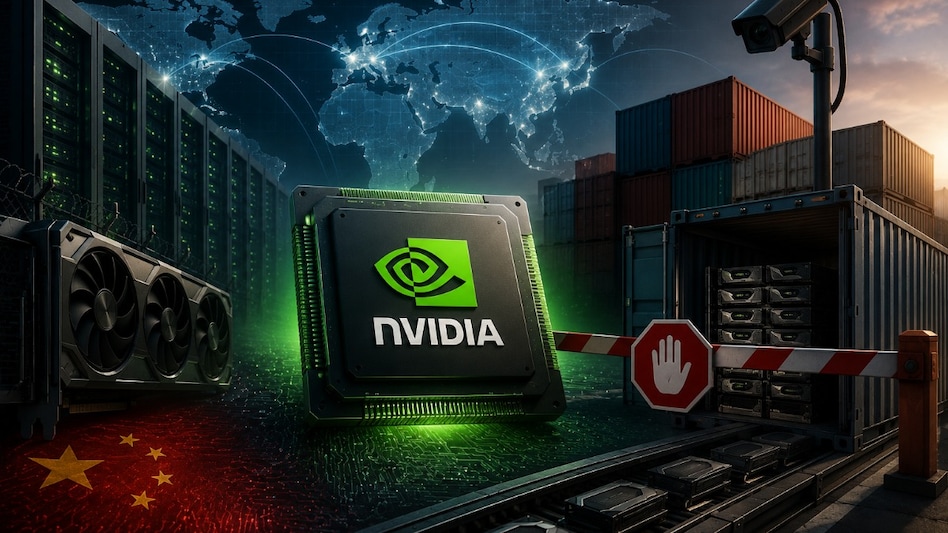
Samsung Launches New Foldables as Apple Prepares to Join the Race
The ongoing rivalry between Apple and Samsung in the smartphone arena is set to take a new turn. On Wednesday, Samsung u...
CNN | Jul 22, 2026, 13:10