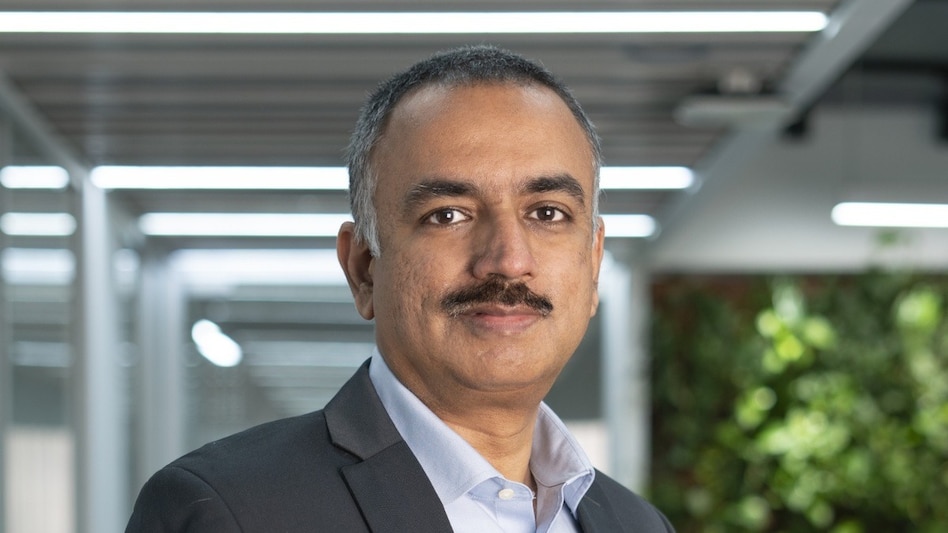
Philips' Bharath Sesha on how AI is helping Indian clinicians see more patients
Artificial intelligence is making significant strides in India’s healthcare sector, yielding notable improvements in clinician productivity, workflow efficiency, and patient interactions, as indicated by the Future Health Index 2026 India Report released by Philips. This comprehensive study underlines the critical issues such as training, governance, and trust that must be addressed before AI can be widely implemented. In a recent discussion with Business Today, Bharath Sesha, Managing Director for Philips in the Indian Subcontinent, elaborated on the rapid adoption of AI in India compared to other global markets. He noted that the current report signifies a transition from AI being merely a concept to delivering tangible results in healthcare. Clinicians have reported reclaiming over three weeks' worth of work annually through AI tools, allowing them to devote more time to patient care, enhance diagnostic processes, and ultimately elevate the quality of service provided. Sesha emphasized the importance of clinician well-being, stating that AI is alleviating stress and improving work-life balance, enabling doctors to focus on what they trained for—patient care. However, he cautioned that readiness for AI integration remains a challenge, as many clinicians feel inadequately trained in this technology. Trust is another critical factor; as AI becomes more embedded in healthcare, both clinicians and patients need assurance that it is being utilized responsibly. The unique challenges within India’s healthcare system are propelling faster AI adoption. With a desire to spend meaningful time with patients while managing high patient loads, doctors view AI as a valuable tool to minimize administrative tasks and concentrate on clinical decisions. Moreover, AI holds the potential to bridge healthcare access disparities between urban centers and rural areas, providing equitable care across diverse geographic regions. Sesha illustrated AI's role in enhancing access to specialist care, particularly in emergencies like strokes. AI-enabled networks can relay scans from smaller cities to specialists in major hospitals, allowing for prompt assessments and treatment planning even before the patient arrives. This approach is not merely about automation; it leverages technology to make quality healthcare universally accessible. The report highlights the necessity for structured AI training and robust governance to facilitate broad-scale adoption. Two-thirds of clinicians have reported that they lack adequate training in AI. Philips is committed to addressing this gap, training over 1,000 clinicians annually, and emphasizing AI education within their programs. Furthermore, Sesha reaffirmed that human judgment will always play an essential role in healthcare, as clinicians remain central to decision-making despite AI’s capabilities. Trust in AI hinges on its responsible application and the transparency of data handling, particularly concerning patient privacy. Regulatory frameworks like the SAHI guidelines in India are pivotal in establishing trust and ensuring the secure use of healthcare data. While numerous AI pilot projects have emerged over the years, scaling these initiatives remains a challenge. Sesha pointed out that successful pilot projects must demonstrate measurable clinical benefits. Philips is collaborating with prestigious institutions to validate AI solutions on a larger scale, like their SmartSpeed technology, which optimizes MRI processes to facilitate more scans without sacrificing quality. Philips has made substantial investments in India, totaling around ₹1,750 crore over the past few years, primarily focused on innovation, research, and development. With their Bengaluru campus recognized as a global AI Centre of Excellence, the company is reinforcing its commitment to enhancing AI capabilities in the region. Looking ahead, Sesha identified the growth potential in Tier-2 and Tier-3 cities, where AI can significantly improve healthcare access in underserved communities. Initiatives like the Ayushman Bharat Digital Mission are crucial in establishing the digital infrastructure needed for integrated healthcare solutions. Ultimately, Sesha believes that collaboration with governments, healthcare providers, and technology partners is critical to overcoming healthcare challenges. Philips’ strategic partnerships aim to foster integrated healthcare ecosystems that enhance patient outcomes and improve accessibility and efficiency across the board.
Tidal Takes Bold Step Against AI Music Flood, Set to Remove Millions of Tracks
In a decisive move to combat the overwhelming influx of AI-generated music, Tidal announced on Tuesday its plans to ban ...
TechCrunch | Nov 24, 2026, 17:10
realme P4x 5G vs vivo Y31t 5G: Which Smartphone Offers the Best Bang for Your Buck?
When it comes to choosing between the realme P4x 5G and the vivo Y31t 5G, potential buyers are faced with distinct advan...
Business Today | Nov 24, 2026, 01:50
Pinterest Empowers Parents with New Controls Over AI Content for Teens
This week, Pinterest unveiled an enhancement to its parental controls, introducing a feature that allows parents to regu...
TechCrunch | Nov 24, 2026, 16:25
Saudi Engineer Faces Legal Battle Over Alleged Espionage Using AI Tech
A Saudi engineer employed by OpenAI, Abdulrahman Alfozan, is at the center of a legal dispute as prosecutors allege he u...
Business Insider | Nov 23, 2026, 23:50Revolutionizing Cybersecurity: AI's Role in Modern Threat Detection and Defense
As businesses increasingly embrace digital transformation and artificial intelligence, the complexity of cybersecurity t...
Business Today | Nov 24, 2026, 08:30