Cauldron Ferm has turned microbes into nonstop assembly lines
Cauldron Ferm's journey as a startup is anything but conventional, rooted in a vision that dates back to the 1960s or possibly the 1970s. Co-founders David and Polly McLennan aspired to tackle global hunger by cultivating protein through microbial processes. However, they faced significant challenges, particularly the costly and time-consuming nature of traditional fermentation methods. Typically, fermentation occurs in batches, reminiscent of a brewery's production cycle. Ingredients are introduced, and microbes go to work until the process halts for product extraction. While this model is viable for alcohol production, where prices are high, food production demands a more economical approach. Determined to make a difference, the McLennans dedicated 40 years to refining their continuous fermentation technology, evolving it into a system where microbes function as perpetual assembly lines, generating products without interruption. Michele Stansfield, who joined the company in 2012, reflected on the initial underestimation of their potential. "We didn’t understand the challenge of continuous fermentation for synthetic biology," she noted. Recognizing the opportunity, she pivoted the company from a modest service provider to a dynamic startup. Under her leadership, Cauldron Ferm secured $13.25 million in a Series A2 funding round, led by Main Sequence Ventures and joined by Horizons Ventures, NGS Super, and SOSV. This new influx of capital follows a previous $6.5 million raised in 2024. Stansfield emphasized that the funding aims to enhance the company's technological edge. The firm's innovative approach, termed "hyper fermentation," enables microbes to remain in their most productive state. This technique can be adapted to existing batch fermentation systems with minor adjustments. Clients provide their own microbial strains, while Cauldron Ferm optimizes growth conditions, including nutrient management. Currently, the company focuses on producing fats and proteins, such as whey protein, which can seamlessly integrate into existing supply chains. However, Stansfield hinted at broader ambitions: "Sixty percent of all inputs to the global economy can be produced from biology. Food was where we started, but now we’re beginning to diversify significantly."
Moody's Warns of Credit Risks as Tech Giants Ramp Up AI Investments
According to a recent report from Moody's Ratings, the surge in investment towards artificial intelligence infrastructur...
CNBC | Jul 24, 2026, 17:50
Unveiling the Future of Finance: TechCrunch Disrupt 2026's Smart Money Stage
The landscape of money is transforming beyond just cash or bank balances, and TechCrunch Disrupt 2026 is set to spotligh...
TechCrunch | Jul 24, 2026, 22:40
Waymo to Launch Standalone App, Ending Exclusivity with Uber in Major Cities
For the past three years, Uber and Waymo, the autonomous vehicle division of Alphabet, have collaborated to provide driv...
CNBC | Jul 24, 2026, 21:55
Legal Battle Erupts Over 'Duress' Password in Groundbreaking Data Wiping Case
The U.S. Justice Department has initiated legal proceedings against a Georgia resident, Samuel Tunick, who is accused of...
TechCrunch | Jul 24, 2026, 18:25
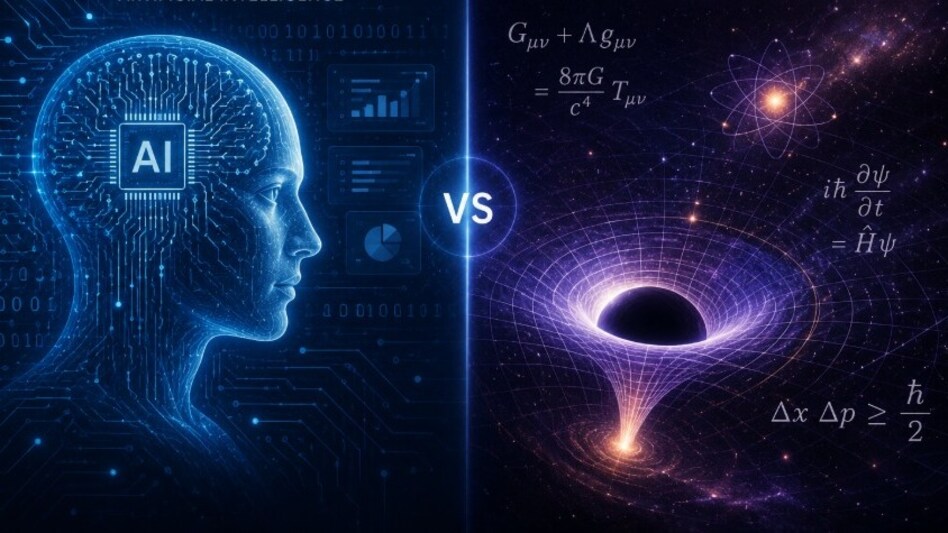
Unlocking the Secrets of Quantum Gravity: Can AI Help Physics Make a Leap?
The realm of scientific research is undergoing a profound transformation, fueled by the rapid advancements in artificial...
Business Today | Jul 25, 2026, 24:30