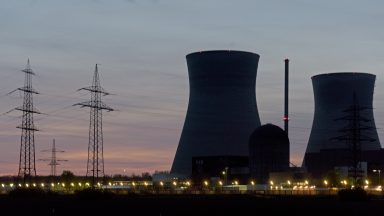
The US is trying to kick-start a “nuclear energy renaissance”
In a bold move to revitalize the nuclear energy sector, the U.S. government is taking significant steps to streamline the construction of nuclear reactors and enhance technology in this field. In May, President Trump enacted four executive orders aimed at reducing bureaucratic hurdles, simplifying approval processes, and redefining the role of the Nuclear Regulatory Commission (NRC). This initiative reflects the administration’s vision of achieving energy independence through what they describe as a 'nuclear energy renaissance.' However, the motivation behind this movement extends beyond self-sufficiency. Advocates for nuclear power are increasingly viewing it as a viable solution to combat climate change, especially after decades of declining interest due to safety issues and high expenses. The process of nuclear fission, which involves splitting atoms to generate energy, presents a low-carbon alternative, as these reactors do not release greenhouse gases. The Trump administration is ambitious, aiming to increase domestic nuclear energy production fourfold, targeting a production level of 400 gigawatts by 2050. To support this vision, institutions like the Idaho National Laboratory are leading innovations, including the development of more efficient fuels. Furthermore, private companies are now investing heavily in creating new reactor designs, a significant shift for an industry that has seen little innovation in recent years. For instance, Westinghouse, a nuclear power firm based in Pennsylvania, plans to construct ten new large reactors to contribute to this ambitious goal. Nevertheless, the path to revitalizing nuclear energy is fraught with challenges. Experts highlight that the infrastructure required for nuclear energy is prohibitively expensive and time-consuming to develop. Allison Macfarlane, a former chair of the NRC and a science policy expert at the University of British Columbia, emphasizes these financial and temporal constraints. Furthermore, there is ongoing debate among specialists regarding the readiness of new nuclear technologies, such as smaller reactor models, for widespread application. Edwin Lyman, director of nuclear power safety at the Union of Concerned Scientists, warns that the current enthusiasm in the nuclear sector may be creating unrealistic expectations, suggesting that the field might be caught in a 'hype bubble.'
India's Smartphone Market Faces Turbulence Amid Rising Memory Costs
In a significant shift for India's smartphone landscape, rising memory chip prices are reshaping the market dynamics, wi...
TechCrunch | Jul 17, 2026, 20:35
Top 5 Tech Subscriptions to Slash Your Digital Expenses in 2026
As the costs of smartphones, streaming services, and cloud storage rise, many users are feeling the pinch of technology ...
Business Today | Jul 18, 2026, 05:10
New Era of AI Regulation: White House Gains Control Over Model Access
The current administration is taking significant measures to enhance its authority over the deployment of advanced artif...
CNBC | Jul 17, 2026, 22:15
Tech Investor Neil Rimer Advocates for Wealth Redistribution Amid AI Boom
During an engaging discussion at a tech festival in Athens, Neil Rimer, co-founder of Index Ventures, expressed a compel...
TechCrunch | Jul 18, 2026, 05:00
Databricks Achieves $188 Billion Valuation Amid AI Revolution
Databricks has announced a significant new funding round that values the company at an impressive $188 billion, followin...
TechCrunch | Jul 17, 2026, 22:15