
Research roundup: Six cool science stories we almost missed
In the fast-paced world of scientific discovery, some remarkable stories often go unnoticed. This month, we shine a spotlight on a selection of intriguing developments, including a revival of a century-old battery design by Thomas Edison that shows promise for renewable energy storage. At the turn of the 20th century, electric vehicles equipped with lead-acid batteries were more prevalent than their gas-powered counterparts. However, the limitations of those batteries, which offered a mere 30-mile range, led to the rise of the internal combustion engine. Edison envisioned a nickel-iron battery capable of extending that range to 100 miles, featuring long life and recharging times of just seven hours. Recently, an international team of researchers has breathed new life into Edison's nickel-iron battery concept, presenting their findings in the journal Small. Drawing inspiration from nature, particularly the way shellfish create their tough outer shells and animals form bones, the scientists employed proteins from beef byproducts as a scaffolding. They combined these proteins with graphene oxide and cultivated clusters of nickel and iron within this structure. The process involved superheating the mixture in water, followed by baking at extremely high temperatures. As the proteins carbonized, they stripped away the oxygen atoms from the graphene oxide, effectively embedding the nickel and iron clusters within the scaffolding, resulting in an aerogel. This innovative design reduced the size of the clusters to under 5 nanometers, significantly increasing the surface area available for the chemical reactions that power the battery. The prototype developed by the team can recharge in just seconds and withstands over 12,000 cycles, roughly equating to 30 years of daily recharging. However, while the performance is impressive, the battery’s storage capacity still trails behind current lithium-ion alternatives. Therefore, its most viable applications may lie in storing surplus electricity generated by solar farms and other renewable energy sources, rather than powering electric vehicles directly.
Anand Mahindra Advocates for AI's Future Focus on Application Layer
As nations and corporations invest significantly in developing advanced artificial intelligence systems, Anand Mahindra ...
Business Today | Jul 02, 2026, 17:00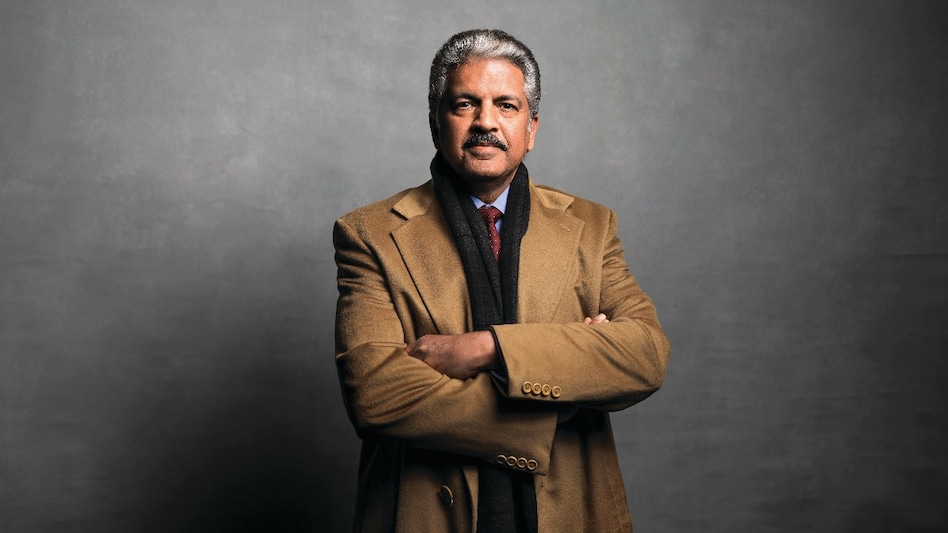
AI's Transformative Future: Sam Altman Calls for Global Collaboration
In a compelling op-ed for the Financial Times, OpenAI CEO Sam Altman has painted a vivid picture of the future of artifi...
Business Insider | Jul 02, 2026, 16:20Lucid Motors Restructures Leadership Amid Executive Departures and Strategic Shifts
Lucid Motors is undergoing a significant leadership transformation as its new CEO, Silvio Napoli, implements changes fol...
TechCrunch | Jul 02, 2026, 14:55
New Cybersecurity Breach Threatens National Security Amid Ongoing Investigations
The Department of Homeland Security (DHS) is currently examining a significant cyber breach affecting its Homeland Secur...
TechCrunch | Jul 02, 2026, 14:30
Z.ai Launches Affordable AI Coding Tool, Challenging Tech Giants
Z.ai, a rising Chinese startup, has introduced its latest innovation, ZCode, an AI coding tool that aims to disrupt the ...
Business Insider | Jul 02, 2026, 17:05