
Inside a $1.1B deal to reshore critical minerals refining
The United States and Europe are facing a significant challenge with nickel, a critical mineral essential for a variety of applications, including batteries, electronics, and military equipment. Despite its importance, both regions have encountered hurdles in mining and refining nickel, primarily due to regulatory challenges and environmental concerns. Meanwhile, Indonesia and China have established dominance in the refining sector, with Chinese firms controlling roughly 75% of Indonesia's nickel refining capacity, thus managing over half of the global supply. As geopolitical tensions with China escalate, companies are increasingly exploring ways to establish refining operations domestically. Megan O’Connor, co-founder and CEO of Nth Cycle, expressed this sentiment, emphasizing the urgent need for U.S. refining capabilities. Her startup has been innovating an electrochemical process to refine nickel, cobalt, copper, and rare earth minerals. Recently, Nth Cycle launched production at an Ohio facility capable of processing 3,100 metric tons of scrap, and has now secured a monumental $1.1 billion deal with commodity trader Trafigura to expand its production capacity. This partnership highlights a transformative approach to metal supply chains, showcasing a shift in how technology can reshape industries. Notably, it’s not just metal refining that is outsourced; recycling operations are also predominantly managed overseas. As batteries reach their end of life, they are often shipped to other countries for processing, raising concerns about lost value. O’Connor noted, "These are really valuable resources that we’re currently mostly shipping to China. You don’t necessarily want to be giving up that value material and then having to buy it back." Additionally, other businesses like Westwin Elements are also attempting to expand their refining capabilities, albeit facing local opposition. Nth Cycle’s modular and electric refining system aims to address these challenges. O’Connor argued that traditional, centralized refining methods used in Asia are not suitable for the U.S. due to high capital requirements. Instead, their innovative approach allows for more flexibility and cost-efficiency. The startup sources its materials from recyclers and various industrial byproducts, feeding them into a compact electrochemical system that is five to ten times smaller than conventional refineries. This design helps reduce capital costs and allows for profitable operations even at a lower annual throughput of 6,000 metric tons. While the expected surge in EV battery recycling is still on the horizon, O’Connor believes there is sufficient raw material available in the U.S. and Europe to support the two new facilities being constructed in South Carolina and the Netherlands, which will together process 18,000 metric tons of scrap. As the composition of materials evolves, Nth Cycle is prepared to adapt its processes accordingly. O’Connor pointed out that many competing approaches are overly reliant on large-scale operations, making them vulnerable until waste volumes increase. In contrast, Nth Cycle’s strategy is to scale operations by adding modules as battery waste grows, thus laying the groundwork for a sustainable and robust refining industry in the U.S.
Market Turbulence: Four Key Factors Impacting Stocks This Week
This past week has been challenging for the stock market, driven by several significant forces that have created turbule...
CNBC | Jul 25, 2026, 20:05
The Boring Company Eyes $4 Billion Funding Boost Amid Expanding Tunnel Ventures
Elon Musk's tunneling enterprise, The Boring Company, is reportedly negotiating a substantial funding round of $4 billio...
TechCrunch | Jul 25, 2026, 19:50
The Aluminum Foil Trend: A DIY Shield Against Wireless Identity Theft
Have you noticed an unusual trend where people are wrapping their wallets in aluminum foil? This peculiar practice has e...
Business Today | Jul 25, 2026, 02:45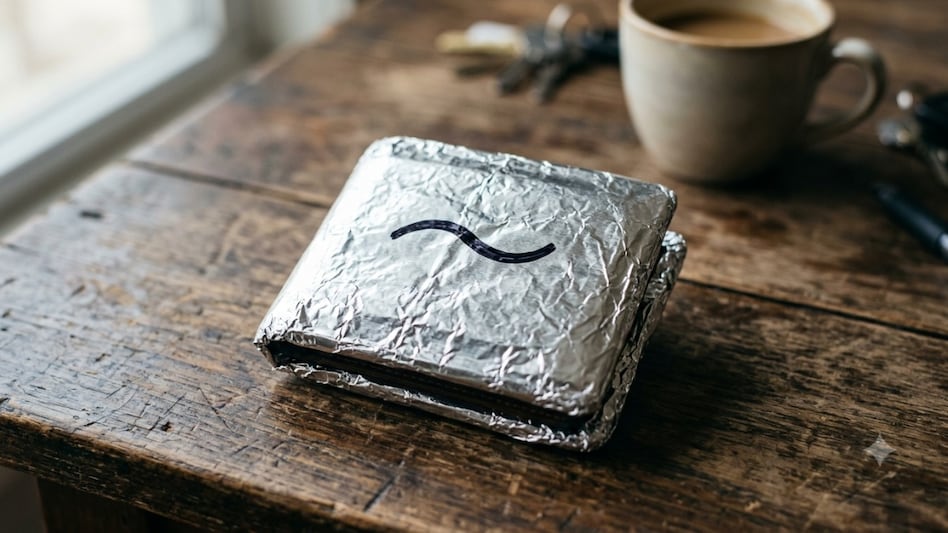
The Shift in Human Cognition: Embracing AI as a Collaborative Tool
As technology continues to evolve, a notable shift is occurring in the relationship between humans and artificial intell...
Business Insider | Jul 25, 2026, 09:50Navigating the AI Landscape: Insights from a Former OpenAI Intern
As the demand for expertise in artificial intelligence surges, many are seeking ways to break into this dynamic field. H...
Business Insider | Jul 26, 2026, 10:10