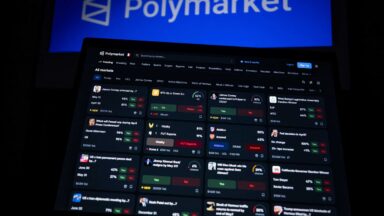
Polymarket’s viral videos showed people winning big, but the bets were fake
A recent investigation by the Wall Street Journal has uncovered that Polymarket, an online prediction market, engaged in a controversial promotional strategy that involved paying numerous social media influencers to create videos of fake betting activities. This initiative aimed to lure users to its unregulated platform by showcasing seemingly genuine success stories. The investigation highlights how Polymarket crafted nearly indistinguishable replicas of its website, instructing content creators to simulate trades on these dummy sites while concealing the fact that they were financially compensated by the company. For instance, one college student, George Makihara, shared a video in January claiming he won $100,000 from a bet predicting that former President Trump would mention 'McDonald’s' that month. However, data from Polymarket revealed that no such winning bet took place in January. In total, Makihara reportedly appeared to make 145 bets on the platform between January and May, all of which were fabricated. The videos produced by these creators follow a common format: they display the Polymarket interface, showcase a bet being placed, and often refer to the winnings as 'free money.' Many creators have posted videos that share striking similarities in their presentation. According to those involved, Polymarket provided detailed bullet-point instructions on what to say in the videos, ensuring a consistent message across different posts. The promotional campaign specifically targeted U.S. residents, offering payment only if at least 60% of the viewers were from the United States. It's important to note that since 2022, Polymarket's primary platform has technically been unavailable to U.S. users following a ruling by the Commodity Futures Trading Commission (CFTC), which deemed it an unregistered exchange operating illegally. While the main website is now in view-only mode for U.S. residents, individuals can circumvent this restriction by using virtual private networks (VPNs) to alter their apparent location.
Waymo to Launch Standalone App, Ending Exclusivity with Uber in Major Cities
For the past three years, Uber and Waymo, the autonomous vehicle division of Alphabet, have collaborated to provide driv...
CNBC | Jul 24, 2026, 21:55
The Aluminum Foil Trend: A DIY Shield Against Wireless Identity Theft
Have you noticed an unusual trend where people are wrapping their wallets in aluminum foil? This peculiar practice has e...
Business Today | Jul 25, 2026, 02:45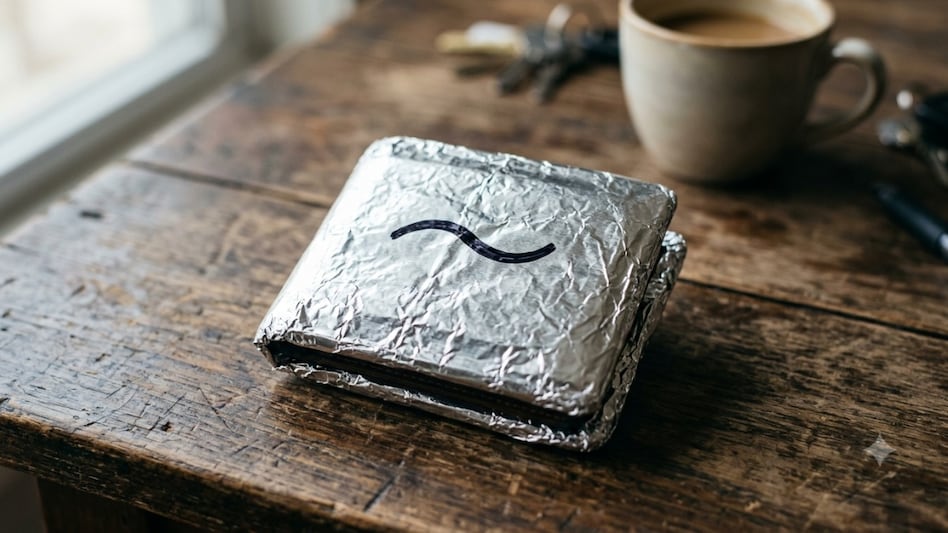
SpaceX Successfully Tests Starship Rocket, Launching New Era of Space Exploration
On Friday evening, SpaceX executed a significant milestone by launching its colossal Starship rocket from its facility i...
CNBC | Jul 25, 2026, 24:10
Rising Concerns in Bond Market as AI Investments Surge
Investors are growing increasingly uneasy about the substantial capital required to realize the ambitions of artificial ...
CNBC | Jul 24, 2026, 20:15
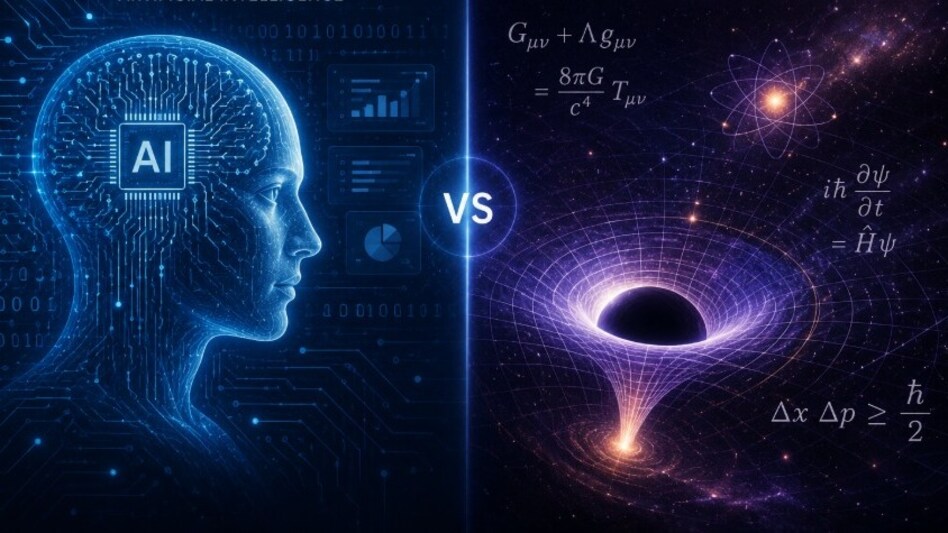
Unlocking the Secrets of Quantum Gravity: Can AI Help Physics Make a Leap?
The realm of scientific research is undergoing a profound transformation, fueled by the rapid advancements in artificial...
Business Today | Jul 25, 2026, 24:30