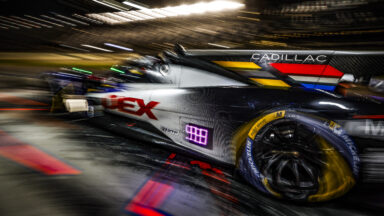
Why NASA, IMSA, and tech companies are teaming up on tech transfer
DAYTONA BEACH, Fla.—The iconic 24-hour endurance race kicked off the American racing season this past weekend at Daytona International Speedway. Each year, the event attracts an ever-growing crowd, largely due to the thrilling GTP class, which showcases hybrid prototypes vying for the ultimate victory. These vehicles are among the most advanced and intricate race cars in existence, second only to Formula 1, and their impressive designs captivate fans and engineers alike. Endurance racing has always aimed to provide more than just entertainment; it has historically been a crucial source of automotive innovations that have made their way into everyday vehicles. Features such as seatbelts, rearview mirrors, turbocharged engines, advanced aerodynamics, direct-injection engines, and dual-clutch gearboxes can trace their roots back to the racetrack. However, in recent years, tangible instances of technology transfer from racing to road cars have become less frequent. Instead, the real benefits are emerging from the collaboration between motorsports engineers and their counterparts in the automotive industry. This trend is evolving, particularly in the realm of simulation technology. Each of the 11 GTP cars that competed at Daytona generates an astounding 1,600 unique channels of data through onboard sensors. The GTD vehicles, which are based on production cars like the Porsche 911 and Chevrolet Corvette, produce nearly as much data. With 60 cars competing over a grueling 24-hour period, the sheer volume of high-quality data is impressive. To harness this wealth of information, IMSA is launching IMSA Labs, an initiative aimed at assisting automotive and tech companies in developing enhanced simulation tools. Furthermore, IMSA has forged a partnership with NASA to collaborate on advancements in telemetry, diagnostics, and sensor methodologies, further blurring the lines between racing technology and consumer automotive advancements.
Uber's Former CEO Makes Waves with New Ventures Amidst Tesla's Earnings Update
In the ever-evolving landscape of transportation, recent developments have come to the forefront, particularly surroundi...
TechCrunch | Jul 26, 2026, 16:25
The Boring Company Eyes $4 Billion Funding Boost Amid Expanding Tunnel Ventures
Elon Musk's tunneling enterprise, The Boring Company, is reportedly negotiating a substantial funding round of $4 billio...
TechCrunch | Jul 25, 2026, 19:50
Unleashing the Power of AI: The 5 Smartphones Redefining Mobile Photography
Artificial Intelligence (AI) is transforming our daily experiences, permeating various aspects of technology, including ...
Business Today | Jul 26, 2026, 07:05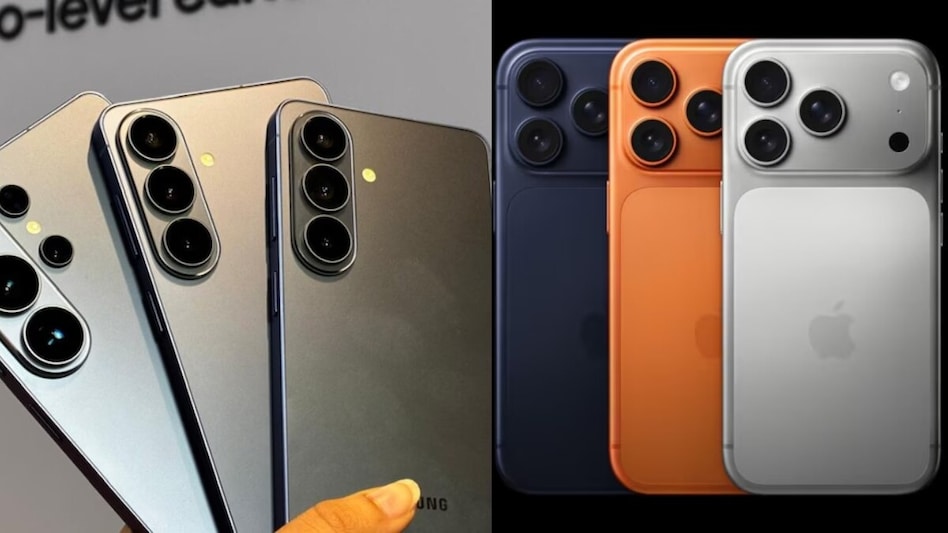
Kalshi Challenges Netflix Over Controversial Documentary Trailer
Kalshi, the prediction market platform, has taken significant legal steps against Netflix, sending a cease-and-desist le...
TechCrunch | Jul 25, 2026, 17:10
Nvidia Strikes Major Deal with SK Hynix to Secure AI Memory Supply
Nvidia has successfully forged a significant partnership with South Korea's SK Hynix to secure memory supplies essential...
CNBC | Jul 25, 2026, 05:15