Qualcomm stock sinks as memory shortage drags on forecast
Qualcomm recently announced its fiscal first-quarter earnings, surpassing market expectations, yet its forecast disappointed investors due to persistent global memory shortages. Following the earnings report, Qualcomm's stock experienced a significant drop in after-hours trading. For the upcoming quarter, Qualcomm projected adjusted earnings per share between $2.45 and $2.65, with revenues anticipated between $10.2 billion and $11 billion. In contrast, analysts surveyed by LSEG had estimated sales of $11.11 billion and earnings of $2.89 per share. Company executives attributed the cautious guidance to the ongoing memory shortfall impacting production capabilities. The shortage is particularly affecting data center memory, which is diverting production resources away from memory used in smartphones and other devices. Qualcomm's smartphone customers, who typically manage their own memory supplies alongside Qualcomm's processors and modems, are adjusting their purchasing strategies in response to memory availability. Qualcomm's Chief Financial Officer, Akash Palkhiwala, indicated that the guidance discrepancy is primarily due to the memory situation. CEO Cristiano Amon noted that memory constraints could significantly influence the mobile market's growth. Despite high demand for handsets and a current upgrade cycle in the smartphone sector, Amon expressed concerns about potential supply issues. While it's unclear if smartphone manufacturers will increase prices, Amon anticipates that Qualcomm's clients will pivot towards higher-end devices, which are better equipped to handle rising memory costs compared to budget models. He emphasized that this memory shortage represents a broader industry challenge affecting consumer electronics as a whole. In the latest quarter, Qualcomm reported $7.82 billion in handset sales, marking a 3% year-over-year increase. Overall revenue for the company grew by 5%, with its smaller divisions experiencing faster growth rates. The internet of things sector, which includes chips for industrial applications and the technology behind Meta's Ray-Ban smart glasses, saw a remarkable 9% increase in sales, reaching $1.69 billion. Additionally, Qualcomm's automotive and robotics segment, supplying chips to manufacturers like Toyota, grew by 15% to $1.1 billion. Net income for the quarter, which ended in December, slightly decreased to $3 billion, or $2.78 per diluted share, compared to $2.18 billion, or $2.83 per diluted share, during the same period last year. Alongside its chip sales, Qualcomm continues to license its intellectual property for technologies like 5G, with QTL (Qualcomm Technology Licensing) revenues hitting $1.59 billion during the quarter, representing a more profitable segment of the business.
Major $1.5 Billion Copyright Settlement Approved for Anthropic
Anthropic is set to disburse payments to a collective of authors and publishers following a significant $1.5 billion set...
TechCrunch | Jul 21, 2026, 24:40
Market Insights: GM's Strong Earnings, AI Leadership Shakeup, and More
In today's financial landscape, significant developments are shaping investor sentiment. JetBlue has successfully acquir...
CNBC | Jul 21, 2026, 12:45
Intel Secures Cybersecurity Client Fortinet for Next-Gen Chip Production
Intel has made a significant move in the foundry sector by partnering with Fortinet, a leader in cybersecurity solutions...
CNBC | Jul 21, 2026, 13:20
Vivo Set to Unveil Budget-Friendly X300 E with Impressive Specs Next Week
Vivo is gearing up to introduce the X300 E, a new addition to its flagship X300 series, with a launch scheduled for July...
Business Today | Jul 21, 2026, 07:45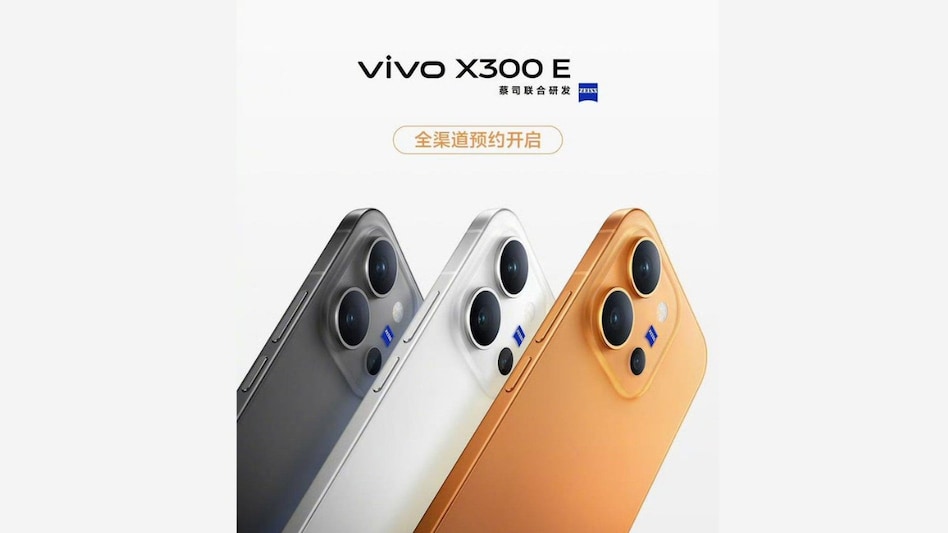
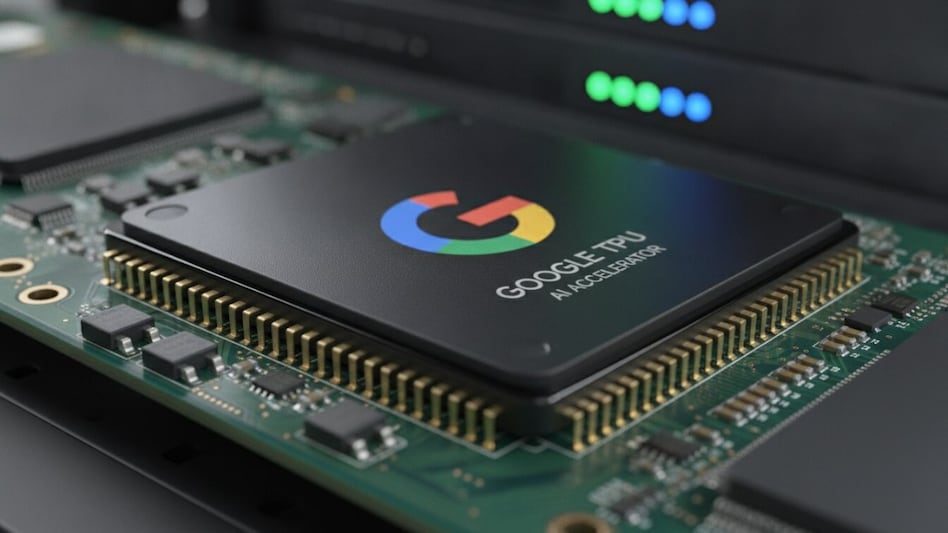
Google's Ambitious AI Chip: Frozen V2 Set to Revolutionize Gemini Performance
Alphabet, the parent company of Google, is reportedly in the process of creating a cutting-edge artificial intelligence ...
Business Today | Jul 21, 2026, 05:55