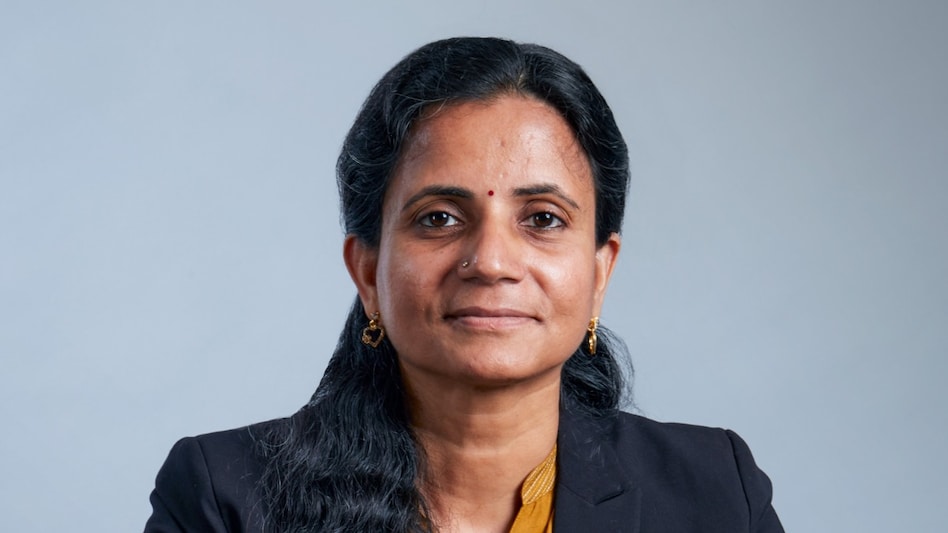
AI investments must go hand-in-hand with quantum-safe security, says IBM's Subhathra Srinivasaraghavan
As businesses intensify their investments in artificial intelligence (AI) infrastructure, a significant yet under-the-radar transformation is necessary to ensure systems are equipped for a post-quantum future. Although the advent of quantum computing may appear to be on the horizon, industry experts insist that the need for quantum-safe security measures cannot be postponed. In a recent discussion with Business Today, IBM ISDL's Vice President, Subhathra Srinivasaraghavan, emphasized that organizations must approach security not as an afterthought but as a fundamental architectural consideration for the long term. "Transitioning to quantum-safe systems is a journey that cannot be deferred until quantum computing becomes commonplace," Srinivasaraghavan stated. The urgency stems from the potential threat posed to current encryption methods, which are deemed secure today but may falter in the face of quantum computing advancements. She explained, "The core of today’s security relies on encryption to safeguard data from unauthorized access. While current algorithms withstand attacks from classical computers, this will not hold true with quantum technology." With quantum computers capable of processing numerous combinations concurrently, the ability to compromise existing encryption methods will greatly increase. This situation leads to what experts term a "harvest now, decrypt later" risk, where malicious entities can store encrypted information now and decode it in the future when quantum capabilities are available. Srinivasaraghavan pointed out that sectors like finance are particularly vulnerable due to the intrinsic long-term value of their data. The transition to quantum-safe systems is not something that can be achieved quickly or easily. It necessitates a comprehensive re-evaluation of infrastructure, applications, and encryption strategies. "Organizations should first analyze whether their current infrastructure meets quantum-safe standards, then examine their applications accordingly," she advised. IBM has already taken significant steps by incorporating quantum-safe technologies into its systems, including the Z17, Power11, and LinuxONE5, which now utilize advanced encryption algorithms designed to withstand quantum attacks. Moreover, the company is collaborating with entities like the National Institute of Standards and Technology (NIST) to develop robust encryption protocols. With billions being invested in AI, Srinivasaraghavan insists that security measures, particularly those ensuring quantum safety, must be integrated from the outset. "AI and quantum-safe security should be viewed as interconnected investments. Since AI relies heavily on data, protecting that data is of utmost importance," she remarked. As organizations increasingly depend on proprietary datasets to enhance their AI capabilities, safeguarding this information becomes crucial. She warned that delaying architectural decisions could lead to expensive retrofits in the future, stressing the importance of making deliberate choices regarding data management, whether it remains on-premises or shifts to the cloud. In India, the conversation around quantum-safe security is gaining traction, especially among regulated industries like banking and finance. Srinivasaraghavan noted that regulatory measures, such as the Digital Personal Data Protection (DPDP) Act, are prompting businesses to adopt a more proactive stance on security. Government initiatives, including the National Quantum Mission, are also contributing to the development of a supportive ecosystem. However, widespread adoption may hinge on external factors such as advancements in quantum technology, stricter regulations, and geopolitical issues. Srinivasaraghavan concluded, "As these triggers unfold, different companies will react in various ways, but all these elements are already at play."
Revolutionizing Skeleton Cleaning: Superworms as a New Solution
The meticulous process of preparing skeletal specimens for museums or forensic studies often involves the challenge of t...
Ars Technica | Jul 01, 2026, 19:05
SpaceX Ventures into AI with New Prototype Device
SpaceX, under the leadership of Elon Musk, has recently unveiled a prototype of an AI device that resembles a slim, mode...
TechCrunch | Jul 01, 2026, 19:10
Home Battery Installations Surge as Homeowners Tackle Rising Energy Costs
In early 2026, there has been a remarkable surge in home battery installations across the United States, driven by homeo...
Ars Technica | Jul 01, 2026, 19:20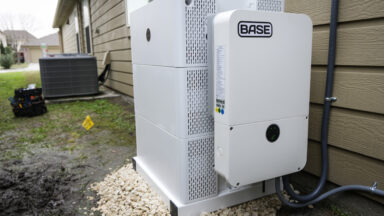
WhatsApp’s Username Feature Sparks Concerns Over Privacy and Fraud Risks
WhatsApp is on the verge of implementing its most significant identity change since its inception, igniting a heated deb...
Business Today | Jul 02, 2026, 03:10
NASA Administrator Commends Blue Origin's Recovery Efforts Post-Launch Setback
NASA Administrator Jared Isaacman recently praised Blue Origin for its extensive efforts in addressing the aftermath of ...
Ars Technica | Jul 01, 2026, 20:00