Utilities are tiptoeing into AI as climate change and data center growth add stress to the energy grid
As the US energy grid faces mounting challenges, utilities are beginning to integrate artificial intelligence (AI) into their operations with a sense of caution. The traditional grid, built for a time of stable electricity demand, is now under significant strain due to factors such as rapid electrification, the growth of energy-intensive data centers, and the escalating effects of climate change. These pressures risk destabilizing the energy system, potentially leading to blackouts that could cost American businesses up to $150 billion annually, according to the US Department of Energy. In light of these threats, energy providers are exploring innovative AI tools aimed at enhancing grid stability. AI is being viewed not merely as a promising technology but as a critical component of strategies devised to foresee disruptions and safeguard equipment. One of the key applications is predictive maintenance, where advanced sensors and software monitor grid equipment, such as transformers and power lines, to identify issues before they escalate into outages. This approach has been revolutionized by the integration of machine learning, which allows for faster and more accurate detection of potential failures. Somjyoti Mukherjee, a consulting partner at Cognizant, highlighted a case where a utility's outdated systems were causing significant inefficiencies. By implementing an AI-driven maintenance framework, the utility was able to optimize workflows, allowing technicians to address issues more effectively. This shift to AI not only improved operational efficiency but also enhanced the speed of problem resolution. Duke Energy, a prominent player in the energy sector, has also ventured into AI. The company developed a hybrid AI system that combines machine learning with expert diagnostics to pinpoint equipment at risk of failure. This system has improved the management of Duke's transformer fleet, leading to better decision-making and enhanced operational consistency. In another innovative approach, startups like Rhizome are leveraging AI to forecast climate-related risks. Working with grid operators, Rhizome's platform analyzes historical data and environmental threats to create digital risk maps, guiding utilities in making informed investments for upgrades and maintenance. For instance, one Texas utility utilized Rhizome's predictive capabilities to significantly reduce storm-related outages. Utilities are not only focusing on maintenance but are also adopting AI tools for better equipment management. By deploying image recognition technology, some utilities can now automate the collection and digitization of equipment data, resulting in improved efficiency and decision-making. Moreover, generative AI is emerging as a tool to support field technicians. Avangrid, a renewable energy supplier, introduced an AI chatbot that provides real-time assistance with troubleshooting, leading to quicker repairs and reduced downtime. However, challenges remain. Managing energy demand during peak times is still a complex task, and many utilities are in the early stages of integrating AI for load management. While some are experimenting with forecasting tools, the current reliance on rule-based systems limits broader applications. Despite the optimism surrounding AI, utilities encounter hurdles such as outdated IT systems, data quality issues, and talent shortages. Regulatory uncertainties also pose significant barriers, as utilities navigate legal frameworks concerning AI deployment. Nevertheless, experts are encouraging progress by advocating for cloud migration, workforce training, and engagement with regulators to foster innovation. As utilities continue to explore AI's potential, they recognize that while AI will not replace core grid functions, it will play an increasingly vital role in modernizing the energy landscape. The journey toward full integration of AI into utility operations is ongoing, and experts emphasize the importance of starting with manageable projects to build momentum and trust within the industry.
European Defense Startups Seize Opportunities Amid Rising Middle East Tensions
In the wake of escalating conflicts in the Middle East, particularly following the Iran war, European defense technology...
CNBC | Mar 31, 2026, 09:15
UK Competition Authority Investigates Microsoft’s Business Software Practices
The UK's Competition and Markets Authority (CMA) has announced a new investigation into Microsoft's business software ec...
CNBC | Mar 31, 2026, 11:35
Google Maps Unveils Innovative ‘Ask Maps’ Feature in India, Enhancing User Experience with AI
Google Maps has recently launched an exciting new chat feature called 'Ask Maps,' powered by its Gemini AI technology. I...
Business Today | Mar 31, 2026, 08:05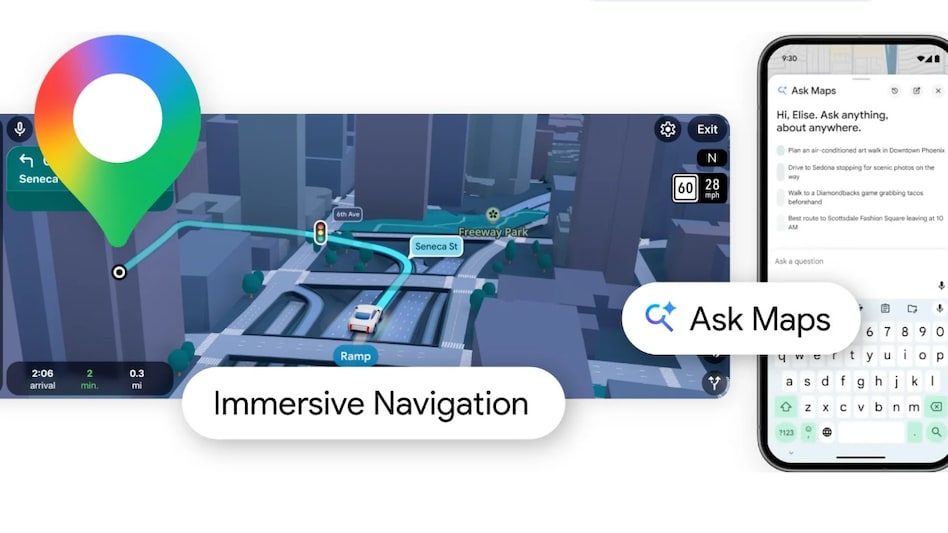
Eutelsat Explores Partnerships with ISRO for Future Satellite Launches
Eutelsat, the European satellite internet provider, is currently engaging in discussions with the Indian Space Research ...
Business Today | Mar 31, 2026, 10:55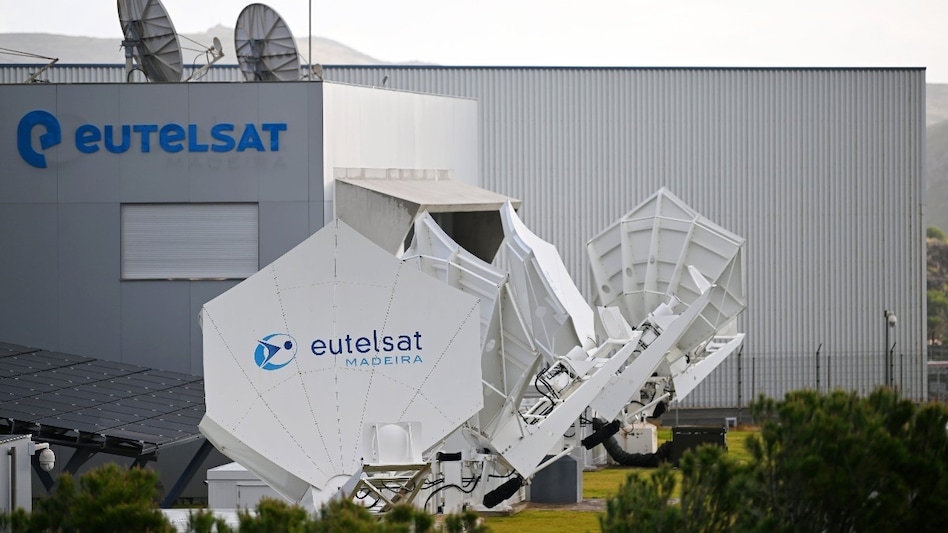
Oracle Implements Workforce Reductions Amid Cost-Cutting Strategy
Oracle has begun a series of layoffs, starting Tuesday, as confirmed by two employees affected by the cuts and various p...
Business Insider | Mar 31, 2026, 12:15