
The pope’s AI encyclical isn’t really about AI
In a significant move, Pope Leo XIV released his inaugural encyclical, titled Magnifica Humanitas, focusing on the imperative of protecting human dignity amid the rise of artificial intelligence. While AI serves as the focal point, the document delves into longstanding issues such as inequality, warfare, the decline of democratic values, and the alarming concentration of power among a privileged few. The encyclical, presented in collaboration with Chris Olah, co-founder of Anthropic, emphasizes that technology controlled by a small elite cannot genuinely benefit the greater good. "When power is monopolized by a select group, it often becomes hidden from public scrutiny, leading to distorted development and fostering new forms of dependence and exclusion," Leo asserts. He warns that major technological advancements, including AI, tend to enhance the influence of those already wielding economic power and access to critical data. This timely encyclical follows President Donald Trump's postponement of an executive order on AI oversight, a decision reportedly influenced by venture capitalist David Sacks. Pope Leo advocates for AI governance rooted in clear, participatory guidelines that include input from communities affected by technological advancements. Moreover, the Pope calls for an end to the fierce competition for superior algorithms and expansive datasets that nations and corporations pursue in hopes of achieving dominance. "Disarming means challenging the notion that technological prowess grants the right to rule," he writes. The concerns raised are not new; they echo sentiments from Pope Leo XIII's 1891 encyclical, Rerum Novarum, which addressed similar power dynamics during the Industrial Revolution. Current events, such as Elon Musk's takeover of Twitter and the financial influence of tech elites in political campaigns, reflect patterns that resonate with the themes in Leo XIV's encyclical. Experts like Notre Dame Law School's Paolo Carozza highlight the dangers of AI-driven misinformation, stating that it undermines our ability to discern truth, with significant ramifications for democratic governance. He further notes that the tech industry's manipulation of human data poses serious threats to individual cognitive freedom.
Trump's Investment Accounts Incur Heavy Trading in Nvidia Shares Amid CEO Controversy
A recent investigation by CNBC has revealed that former President Donald Trump's investment accounts executed over 100 t...
Business Today | Nov 23, 2026, 17:05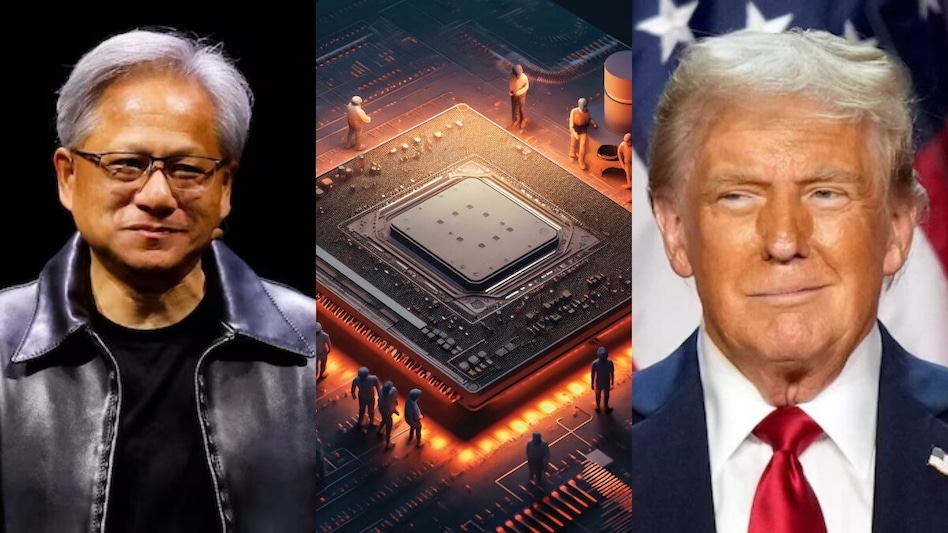
Nvidia's Jensen Huang Set to Face Senate Committee Amid Controversy
Jensen Huang, the CEO of Nvidia, is slated to appear before the Senate Banking Committee on December 3. This announcemen...
TechCrunch | Nov 23, 2026, 18:35
PwC Launches Initiative to Enhance Critical Thinking Skills for AI-Driven Future
PwC is set to introduce a groundbreaking certification program aimed at enhancing the critical thinking abilities of its...
Business Insider | Nov 23, 2026, 19:20Megaspeed Faces U.S. Blacklisting Amid Espionage Allegations
Megaspeed, a company formerly led by Alice Huang, is reportedly set to be added to the U.S. Commerce Department's Entity...
TechCrunch | Nov 23, 2026, 21:45
Google Unleashes Enhanced AI Mode for a Tailored User Experience
In a significant update, Google has unveiled enhancements to its Search's AI Mode, integrating it with Google Drive, Goo...
TechCrunch | Nov 23, 2026, 19:30