
Max Hodak’s Science Corp. is preparing to place its first sensor in a human brain
Max Hodak's Science Corporation is on the brink of a groundbreaking advancement in brain-computer interface technology. The startup, founded by the former president of Neuralink, has recruited Dr. Murat Günel, a leading neurobiologist from Yale Medical School, to helm the first human trials of its innovative biohybrid interface. This pivotal collaboration comes after two years of discussions aimed at surgically implanting a sensor designed to integrate lab-grown neurons with electronics directly into a patient’s brain. The company, established in 2021, has garnered significant financial backing, recently completing a $230 million Series C funding round that brought its valuation to $1.5 billion. One of Science's flagship products is PRIMA, a device aimed at restoring vision for individuals suffering from blindness due to macular degeneration. In 2024, they acquired this technology and have advanced it through clinical trials, with aspirations of launching it in Europe pending regulatory approval. Hodak's vision for Science extends far beyond mere medical applications; he aims to establish reliable communication channels between computers and the human brain. This ambition includes exploring human enhancement possibilities, such as the addition of new senses. Throughout his career, Hodak has been committed to this vision, from his early days in neuroscience to co-founding Neuralink alongside Elon Musk. While companies like Neuralink have successfully utilized electronic sensors to monitor brain activity in patients with conditions like ALS and spinal injuries, the road to a viable market for these devices is fraught with regulatory hurdles and limited patient availability. Hodak has expressed skepticism about traditional methods that use metal probes, which can cause brain damage and impair device performance over time. Instead, Science's approach focuses on creating a biological interface using natural neuron connections. Dr. Günel praised this strategy, calling it a 'genius' innovation. Under the guidance of co-founder and Chief Science Officer Alan Mardinly, Science's team of 30 researchers is working on a biohybrid sensor that integrates lab-grown neurons capable of responding to light stimulation. In 2024, the company shared findings indicating that their device could be safely implanted in mice to stimulate brain activity. As they prepare for human trials, the team is actively engaging with medical ethics boards to ensure compliance with necessary regulations. The initial phase will involve testing a simplified version of the sensor, which will be implanted on the brain's surface rather than directly into brain tissue, potentially circumventing the need for FDA approval. The scientific team aims to identify patient candidates who are already undergoing significant brain surgery, such as stroke victims. By placing the sensor atop the cortex, they hope to assess its safety and efficacy in monitoring brain activity. Dr. Günel envisions the device addressing various neurological issues, including the possibility of aiding recovery in damaged brain or spinal cord cells. Future applications may also include monitoring neurological activity in patients with brain tumors, providing timely alerts to caregivers regarding potential seizures, and perhaps even offering innovative treatments for diseases like Parkinson's. Despite the ambitious goals, Dr. Günel cautions that the start of trials may not commence until 2027, highlighting the extensive work still needed to realize the full potential of this pioneering technology.
Vision Breakthrough: US Startup Launches Groundbreaking Retina Chip in Europe
Science Corp is poised to introduce a revolutionary retina chip in Europe, designed to restore partial vision for indivi...
Business Today | Jul 25, 2026, 01:00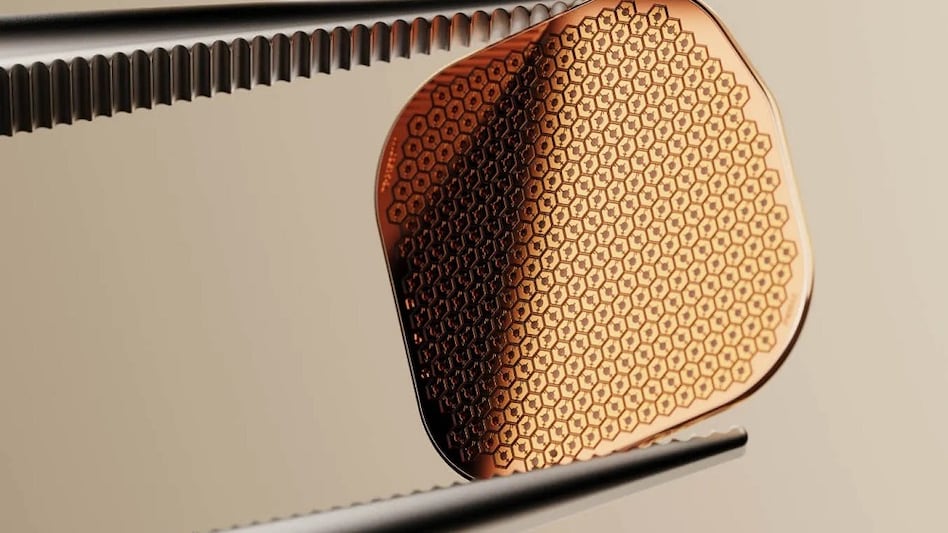
Nvidia Strikes Major Deal with SK Hynix to Secure AI Memory Supply
Nvidia has successfully forged a significant partnership with South Korea's SK Hynix to secure memory supplies essential...
CNBC | Jul 25, 2026, 05:15
The Shift in Human Cognition: Embracing AI as a Collaborative Tool
As technology continues to evolve, a notable shift is occurring in the relationship between humans and artificial intell...
Business Insider | Jul 25, 2026, 09:50Kalshi Challenges Netflix Over Controversial Documentary Trailer
Kalshi, the prediction market platform, has taken significant legal steps against Netflix, sending a cease-and-desist le...
TechCrunch | Jul 25, 2026, 17:10
AI Transformations Lead to Major Job Cuts at Tech Giants
Monday.com, the innovative work management platform based in Tel Aviv, has recently announced significant layoffs, attri...
TechCrunch | Jul 26, 2026, 01:45