
Pentagon pulls the plug on one of the military’s most troubled space programs
The Pentagon has officially scrapped the ground control system intended for the military's GPS satellite navigation network, citing persistent issues that proved too difficult to overcome. The US Space Force made this announcement in a press release on Monday, revealing that the Global Positioning System Next-Generation Operational Control System, or OCX, is no longer in development. This decision, announced by Michael Duffey, the Pentagon's defense acquisition executive, marks the end of a complex 16-year endeavor that cost billions of dollars. The OCX program aimed to create a command and control system for the military’s GPS satellite constellation, incorporating new software to manage advanced signals from the latest GPS satellites, known as GPS III, which began launching in 2018. It also included two master control stations and updates to various global ground monitoring stations. Originally contracted to Raytheon, now RTX Corporation, in 2010, the OCX program was expected to be completed by 2016 at a budget of $3.7 billion. However, projections ballooned to nearly $8 billion, nearing the cost of an entire fleet of approximately 30 new GPS satellites, with the timeline stretching nearly a decade beyond initial estimates. Although RTX provided the control system to the Space Force last year, subsequent testing revealed that it was not operationally ready. Col. Stephen Hobbs, commander of the Space Force’s Mission Delta 31, responsible for GPS operations, expressed disappointment over the extensive system issues encountered during integrated testing. He stated, "Despite numerous collaborative efforts by both the government and contractor teams, we could not resolve the challenges within a feasible timeline. The issues we identified could jeopardize the current capabilities of GPS for both military and civilian use." In response to the program's cancellation, an RTX spokesperson acknowledged the government's decision regarding GPS OCX. They noted that Raytheon delivered the system in 2025 and has been actively supporting the Space Force in post-delivery operations. The spokesperson emphasized RTX's commitment to working closely with the government on future steps.
Waymo Considers Parting Ways with Uber Amid Rising Tensions
Waymo is reportedly exploring options to exit its partnership with Uber, which has allowed the Alphabet-owned firm to de...
TechCrunch | Jul 24, 2026, 21:00
The Aluminum Foil Trend: A DIY Shield Against Wireless Identity Theft
Have you noticed an unusual trend where people are wrapping their wallets in aluminum foil? This peculiar practice has e...
Business Today | Jul 25, 2026, 02:45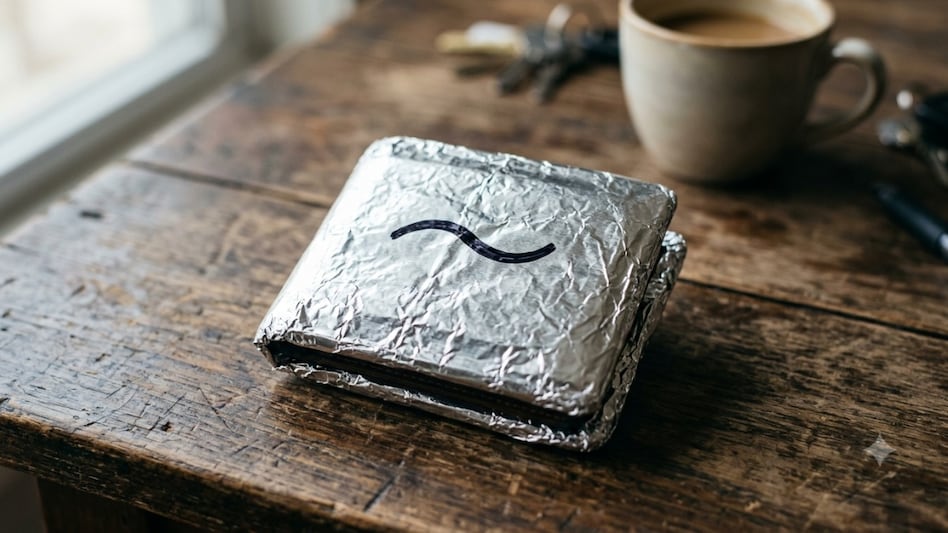
SpaceX's Latest Starlink Launch Marks Milestone Amid Booster Setbacks
On Friday, SpaceX marked a significant achievement by successfully launching its first batch of third-generation Starlin...
TechCrunch | Jul 24, 2026, 23:40
Waymo to Launch Standalone App, Ending Exclusivity with Uber in Major Cities
For the past three years, Uber and Waymo, the autonomous vehicle division of Alphabet, have collaborated to provide driv...
CNBC | Jul 24, 2026, 21:55
Shifting Focus: The Cost-Effectiveness of AI Models Takes Center Stage
In recent years, the AI sector has been intensely focused on identifying the most advanced models. While this pursuit re...
Business Insider | Jul 25, 2026, 13:10