
Oracle set to report quarterly results after the bell
Oracle is set to disclose its fiscal second-quarter results following the market's closure on Wednesday. Analysts from LSEG anticipate a significant revenue boost, projecting a 15% increase for the quarter ending November 30, with expected earnings climbing from $14.1 billion a year prior. Forecasts from StreetAccount indicate analysts are looking for cloud revenue to reach $7.92 billion, complemented by $6.06 billion from software sales. This earnings report comes at a pivotal period for Oracle as it positions itself at the forefront of the artificial intelligence surge, investing heavily in infrastructure to meet rising demand. Despite the positive revenue outlook, investor sentiment has been tempered by concerns over the company’s escalating debt levels and the potential risks if the AI sector experiences a slowdown. In November, Oracle's stock suffered a dramatic 23% drop, marking its most significant monthly decline since 2001. As of Tuesday, shares were trading 33% lower than their peak in September. However, the stock has shown resilience throughout the year, enjoying a 33% increase and surpassing the Nasdaq's 22% gain during the same timeframe. Over the last decade, Oracle has expanded its operations beyond its traditional database and enterprise software offerings into the competitive cloud infrastructure market, where it faces rivals like Amazon, Microsoft, and Google. These tech giants are all vying for lucrative AI contracts, investing heavily in data centers and the necessary hardware to support anticipated demand. Notably, OpenAI, which ignited the generative AI trend with ChatGPT three years ago, has committed over $300 billion to leverage Oracle's infrastructure services over the next five years. Larry Ellison, Oracle’s co-founder and chairman, emphasized Oracle’s role in building massive data centers, stating, "Oracle's job is not to imagine gigawatt-scale data centers. Oracle's job is to build them." During this quarter, Oracle raised $18 billion, marking one of the record-high issuances for a tech firm. However, skepticism among investors has led to increased purchasing of five-year credit default swaps, reaching multiyear highs. These swaps serve as a form of insurance for investors concerned about the company’s ability to meet its debt obligations. RBC analyst Rishi Jaluria highlighted the risks associated with customer concentration and questioned how Oracle plans to manage its debt. In a significant leadership change, Oracle appointed Clay Magouyrk and Mike Sicilia as new co-CEOs, succeeding Safra Catz. Additionally, the company introduced AI agents designed to automate various functions within finance, human resources, and sales. Executives are expected to discuss the quarterly results and provide future guidance during a conference call scheduled for 5 p.m. ET.
Streamlining AI: Major Update to the Model Context Protocol Simplifies Operations
The Model Context Protocol (MCP) serves as a crucial foundation for AI interoperability, enabling AI models to securely ...
TechCrunch | Jul 20, 2026, 21:15
Google's Ambitious AI Chip: Frozen V2 Set to Revolutionize Gemini Performance
Alphabet, the parent company of Google, is reportedly in the process of creating a cutting-edge artificial intelligence ...
Business Today | Jul 21, 2026, 05:55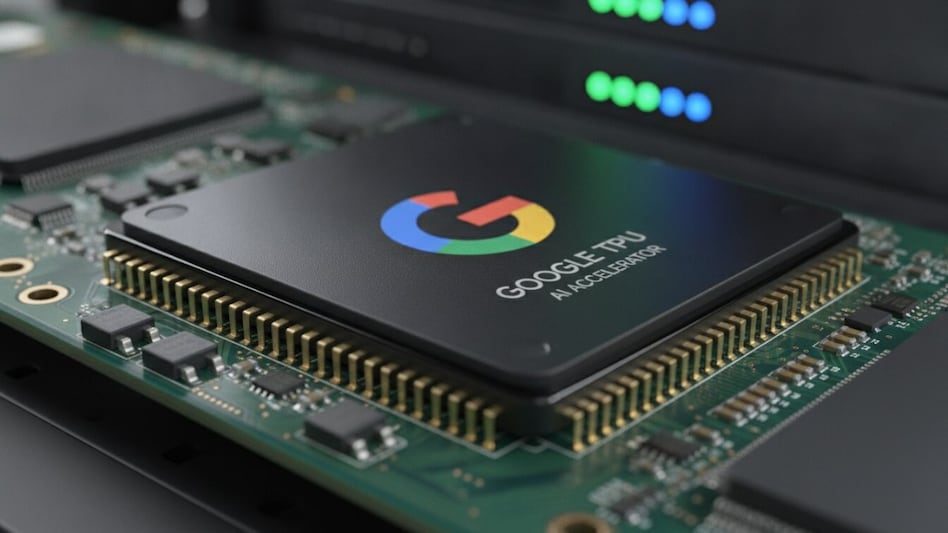
Netflix Champions AI Literacy Among All Employees, Says Chief Product Officer
In a recent episode of 'Lenny's Podcast', Elizabeth Stone, Netflix's Chief Product and Technology Officer, emphasized th...
Business Insider | Jul 20, 2026, 20:25X Launches Ground-Up Redesign of Android App for Enhanced User Experience
In a significant move for its users, X, led by Elon Musk, has unveiled a completely reimagined version of its Android ap...
Business Today | Jul 21, 2026, 05:25
Exploring the Rise of the Clipping Economy and Its Impact on Gen Z Wealth
An emerging trend known as the 'clipping economy' is paving the way for a new generation of millionaires, particularly a...
CNN | Jul 21, 2026, 09:20