OpenClaw: The AI Agent causing buzz and fear from Silicon Valley to Beijing
Austrian software developer Peter Steinberger has introduced an open-source AI agent known as OpenClaw, which has quickly gained traction from Silicon Valley to Beijing. Previously referred to as Clawdbot and Moltbot, OpenClaw is already stirring controversy and excitement in the tech community just weeks after its launch. This AI agent is designed to autonomously carry out tasks, make decisions, and execute actions on behalf of users without the need for continuous human supervision. While AI agents have struggled to achieve the same level of public recognition as large language models like OpenAI's ChatGPT, OpenClaw seems poised to change that narrative. Industry leaders are optimistic that tools like OpenClaw could significantly enhance productivity, potentially even managing entire businesses independently. Marketed as "the AI that actually does things," OpenClaw operates directly on users' systems and applications. It can automate various tasks, from managing emails and calendars to browsing the web and interacting with online services. To utilize OpenClaw, users must install it on a server or a local device and link it to a large language model, such as Anthropic's Claude or ChatGPT—a process that may pose challenges for less tech-savvy individuals. The initial integrations have primarily taken place on messaging platforms like WhatsApp, Telegram, and Discord, where users issue commands via text. Early adopters have reported a range of functionalities, including web browsing, summarizing PDFs, scheduling events, and managing email communications. A standout feature of OpenClaw is its "persistent memory," which allows it to retain information from past interactions and adapt to user preferences for highly personalized assistance. Unlike other AI agents, OpenClaw is open-sourced, enabling developers to inspect and modify its code freely. This open-source framework has likely contributed to its rapid adoption, as users can create new integrations. The agent itself is available for free, with users only covering the costs of the underlying language model. So far, OpenClaw has amassed over 145,000 stars and 20,000 forks on GitHub, indicating substantial interest from developers, though actual usage metrics remain uncertain. Initially gaining traction in Silicon Valley, OpenClaw has now found its way to China, where major AI companies are integrating the tool into their offerings. Notable cloud providers like Alibaba, Tencent, and ByteDance are enhancing their chatbots with comprehensive shopping and payment features, while OpenClaw can also be configured to work with Chinese-developed language models and messaging platforms. Enthusiasm around OpenClaw is tempered by caution. Some experts criticize the agent as overhyped, pointing to its complex installation process and significant computational requirements. However, many users report saving considerable time on routine tasks, leading some to describe it as "AI with hands" and a pivotal advancement toward artificial general intelligence. IBM research scientist Kaoutar El Maghraoui remarked that OpenClaw exemplifies the potential for AI agents to be powerful tools beyond large corporations. Conversely, cybersecurity experts have issued warnings about the risks associated with OpenClaw's access to private data and its capabilities of executing commands, raising concerns about its suitability for enterprise environments. The buzz surrounding OpenClaw has been further amplified by Moltbook, a newly launched social platform for AI agents, which allows users to share content and interact with one another, reminiscent of Reddit. This platform has sparked discussions about the future of AI autonomy and human-AI interaction, with some observers viewing it as a gimmick while others see it as a significant development in AI evolution. As conversations around agentic AI continue to grow, analysts like Marc Einstein from Counterpoint Research believe that the visibility of bots communicating and learning is prompting deeper reflections on their potential impacts, both positive and negative. With OpenClaw representing just one of many emerging AI agents, the industry is on the cusp of a transformative moment in personal AI assistance.
Infosys Appoints Veteran Leader to Navigate the AI Landscape
Infosys has made a significant move by naming Ashiss Kumar Dash, a long-time company insider, as its next Chief Executiv...
Business Today | Jul 24, 2026, 15:25
Will AI Dampen Originality? An Expert's Cautionary Tale
As artificial intelligence continues to evolve, concerns are rising about its potential impact on innovation and creativ...
Business Insider | Jul 24, 2026, 15:00Blinkit Rises to Challenge Amazon in E-Commerce Landscape
In an impressive leap forward, Blinkit has significantly increased its operational scale, with the cost to establish a s...
Business Today | Jul 24, 2026, 09:35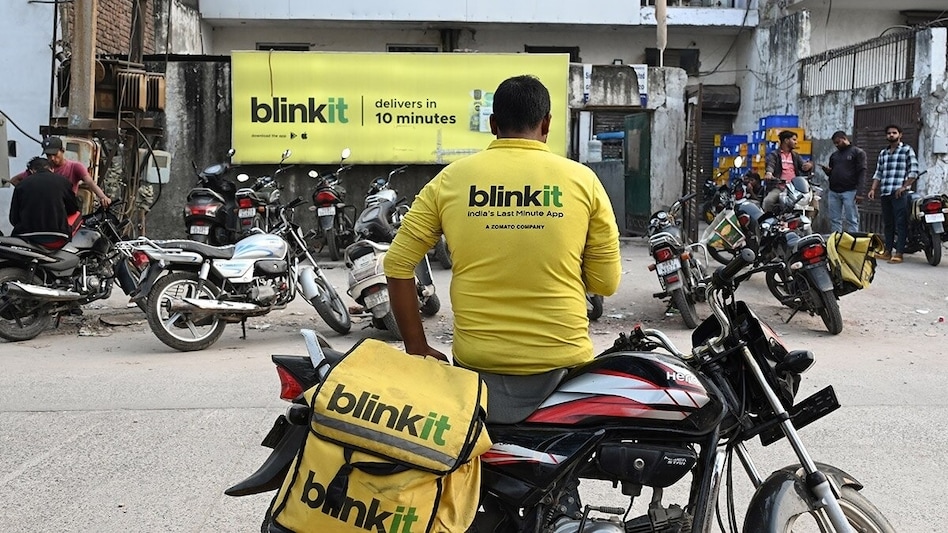
Facebook Unveils New Seller App and Free Verification System to Boost Marketplace Engagement
In an effort to enhance user engagement and streamline operations, Facebook has announced a series of updates aimed at M...
TechCrunch | Jul 24, 2026, 13:00
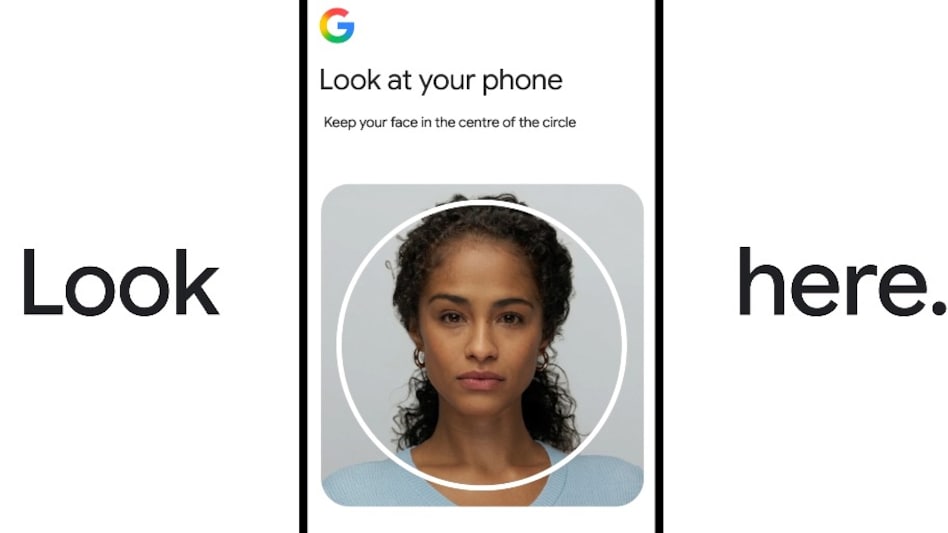
Unlocking Your Google Account Just Got Easier with Selfie Video Verification
In an innovative move, Google has introduced a new recovery feature called the 'Selfie Video' method, designed to simpli...
Business Today | Jul 24, 2026, 06:50