OpenAI is building a new kind of ad machine. Early data suggests Google should worry.
OpenAI is venturing into the advertising space, potentially laying the groundwork for a substantial revenue stream that could rival Google's dominance in search. Insights from Similarweb's executive, Heral Amir, reveal that initial ChatGPT advertising campaigns have already attracted interest from numerous brands, including HubSpot and Nordstrom. Unlike traditional keyword-based ads, which rely on users entering specific search terms, ChatGPT's advertising model leverages the concept of 'conversational intent.' According to Amir, the essence of this new approach lies in understanding how user intent can evolve throughout a dialogue. "In the era of search, advertisers capitalized on intent via keywords, but conversational AI transforms this paradigm entirely," Amir explained. For instance, a user may engage with ChatGPT about job interview preparation, resulting in 30 conversational exchanges before an ad from Indeed appears. Another example includes a user who starts with general inquiries about golf clubs and gradually narrows down to specific products, prompting an ad from Dick's Sporting Goods after 10 turns of conversation. In a more complex scenario, a user discussing distilled acid oils engaged in a lengthy 52-turn conversation before being served an ad from HubSpot. Amir's analysis indicates that nearly half (46%) of ChatGPT users exposed to ads initially lacked commercial intent. This phenomenon, referred to as "intent drift," highlights how ongoing conversations can generate buying interest organically. He pointed out that 83% of queries that triggered ads in ChatGPT would not have activated traditional Google Shopping ads, revealing an untapped layer of user behavior that search engines often overlook. The format of ChatGPT ads is also notably distinct from Google's. Instead of cluttered pages filled with competing advertisements, ChatGPT presents users with a single ad during each conversational turn, ensuring an exclusive and focused advertising experience. This unique approach enhances the perceived value of ad inventory, with Similarweb estimating a CPM of around $60, significantly higher than platforms like Meta and LinkedIn. Engagement metrics are also noteworthy. The average click-through rate (CTR) for ChatGPT ads sits at approximately 0.68%, which positions them favorably between display and traditional search ads. Some campaigns have even achieved CTRs as high as 5.4%, surpassing Google Search averages and ranking among top-performing social media ads. Advertisers have reported that the quality of engagement resulting from ChatGPT ads is superior to that of typical social media clicks. Notably, after interacting with an ad, 73% of users continue their conversation, engaging in an average of four additional exchanges. This challenges the notion that advertising could detract from the user experience, as data suggests that users generally welcome ads as contextual recommendations within the dialogue. Amir cautions that while OpenAI has the potential to enhance the advertising experience, the execution is crucial. "If done right, this could significantly improve user experience, but there's also a risk of missteps," he noted. As it stands, the advertising units are unobtrusive and well-integrated, offering a clean and contextual approach to marketing.
Shifting Focus: The Cost-Effectiveness of AI Models Takes Center Stage
In recent years, the AI sector has been intensely focused on identifying the most advanced models. While this pursuit re...
Business Insider | Jul 25, 2026, 13:10Unleashing the Power of AI: The 5 Smartphones Redefining Mobile Photography
Artificial Intelligence (AI) is transforming our daily experiences, permeating various aspects of technology, including ...
Business Today | Jul 26, 2026, 07:05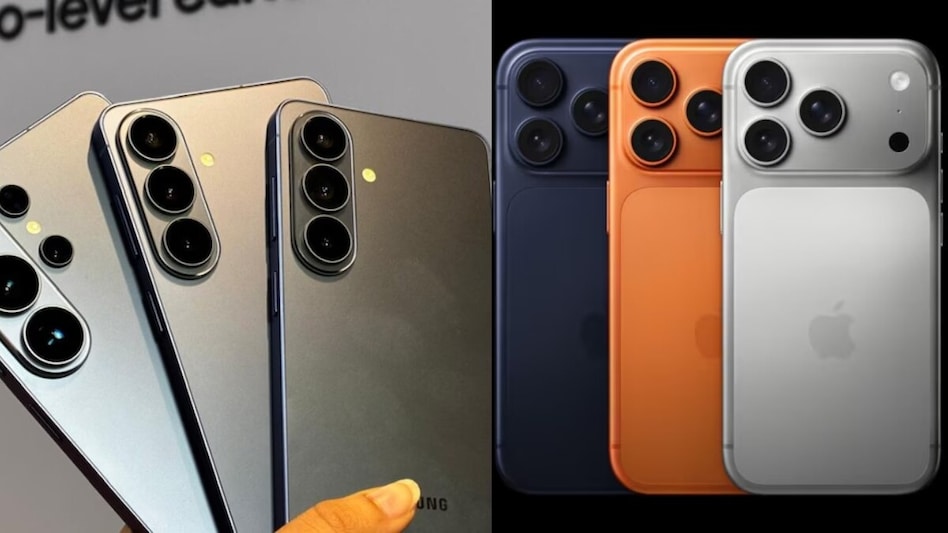
Vision Breakthrough: US Startup Launches Groundbreaking Retina Chip in Europe
Science Corp is poised to introduce a revolutionary retina chip in Europe, designed to restore partial vision for indivi...
Business Today | Jul 25, 2026, 01:00
The Aluminum Foil Trend: A DIY Shield Against Wireless Identity Theft
Have you noticed an unusual trend where people are wrapping their wallets in aluminum foil? This peculiar practice has e...
Business Today | Jul 25, 2026, 02:45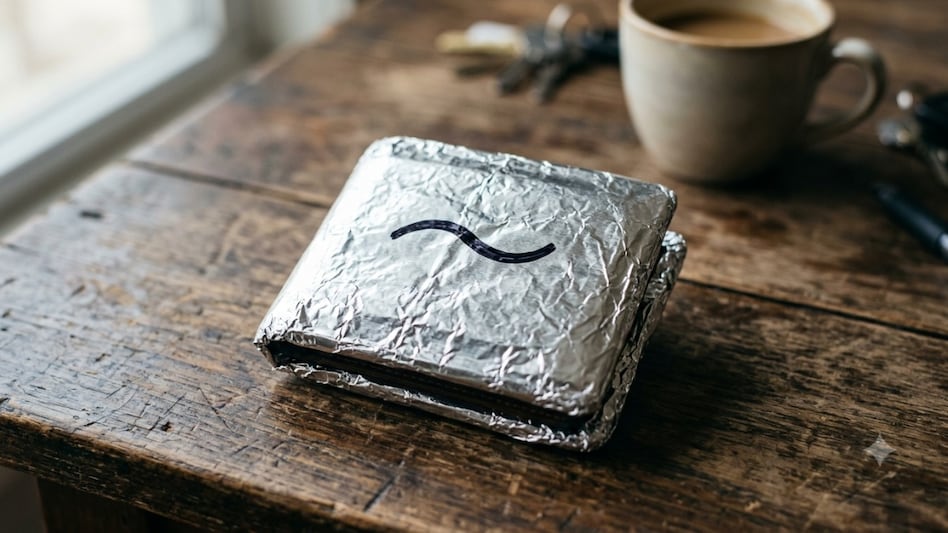
The Boring Company Eyes $4 Billion Funding Boost Amid Expanding Tunnel Ventures
Elon Musk's tunneling enterprise, The Boring Company, is reportedly negotiating a substantial funding round of $4 billio...
TechCrunch | Jul 25, 2026, 19:50