OpenAI executive sees a Rubik's Cube of future revenue sources
In a recent podcast discussion, OpenAI's CFO, Sarah Friar, presented an intriguing vision for the company's future revenue streams. She suggested that the organization might evolve beyond traditional subscription models, exploring innovative licensing agreements that could link their earnings to the success of their clients' projects. For instance, Friar highlighted the potential for partnerships in drug discovery. If a pharmaceutical company utilizes OpenAI's technology to create a groundbreaking medication, OpenAI could earn a share of the sales generated from that drug. This model aligns the interests of OpenAI with those of its customers, as the company would profit only when its clients achieve measurable results. Friar likened this evolving business strategy to a Rubik's Cube, illustrating the complexity and variety of options available to OpenAI. Initially, the company operated like a single block, relying on one major cloud partner, Microsoft, and one primary chip supplier, Nvidia, with its main product being the consumer-focused ChatGPT. Today, the landscape has dramatically changed. OpenAI collaborates with various cloud service providers and multiple chip manufacturers, expanding its offerings beyond just ChatGPT to include solutions like Sora, enterprise products, and specialized tools for different industries. The company's business model has similarly diversified. Originally reliant on a straightforward consumer subscription model to fund computational costs, OpenAI has now introduced multiple pricing strategies, including software-as-a-service options and credit-based systems for high-demand applications. Looking ahead, Friar mentioned that OpenAI is contemplating additional avenues for revenue, such as commerce and advertising, alongside long-term licensing agreements. The Rubik's Cube metaphor serves to illustrate the company's ability to combine various technical choices with financial strategies, enabling them to adapt and grow. For example, a high-performance chip could enhance a premium AI coding experience, justifying a more expensive subscription tier. Alternatively, OpenAI might prioritize scaling up its user base with free offerings to generate more advertising opportunities. However, all of these strategies face a significant limitation: computing capacity. Friar pointed out that the demand for OpenAI's services is constrained not by interest, but by the available computing resources. This reality makes the development of diverse revenue models not merely a choice, but a necessity for sustaining their growth and fulfilling their mission. "In the past year, our focus has been on creating strategic options to ensure we can fund the compute resources essential for our goals," Friar concluded.
Sierra Soars: $30 Billion Valuation Amidst AI Customer Experience Boom
Sierra, an innovator in enterprise customer experience and co-founded by former Salesforce co-CEO Bret Taylor, announced...
TechCrunch | Nov 23, 2026, 14:50
NVIDIA Welcomes Back Jensen Huang as CEO Amidst National Security Review
In a significant leadership move, NVIDIA has reinstated Jensen Huang as President and CEO, effective immediately. This d...
Business Today | Nov 23, 2026, 14:25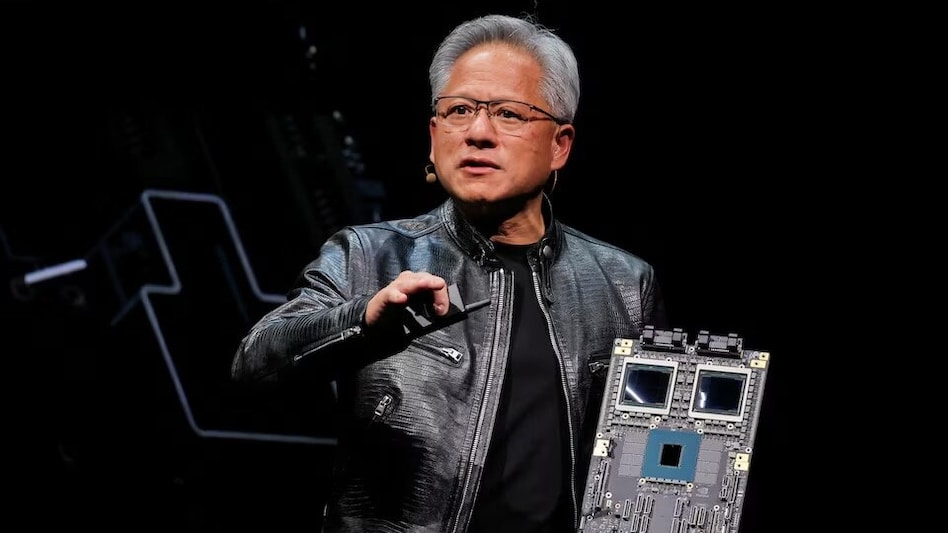
Nvidia's CEO Jensen Huang Makes a Triumphant Comeback Amid Widespread Support
Jensen Huang's return as CEO of Nvidia has sparked a wave of enthusiasm among his supporters, with influential figures v...
Business Insider | Nov 23, 2026, 15:20Trump Advocates for Jensen Huang's Reinstatement at Nvidia Board Meeting
In a surprising turn of events, President Donald Trump reportedly intervened during an Nvidia board meeting to advocate ...
TechCrunch | Nov 23, 2026, 16:55
Y Combinator Backs Legal AI Startup Led by Former Antitrust Officials
FluxCap, a promising legal AI startup co-founded by ex-Justice Department antitrust officials Jonathan Kanter and Doha M...
Business Insider | Nov 23, 2026, 15:10