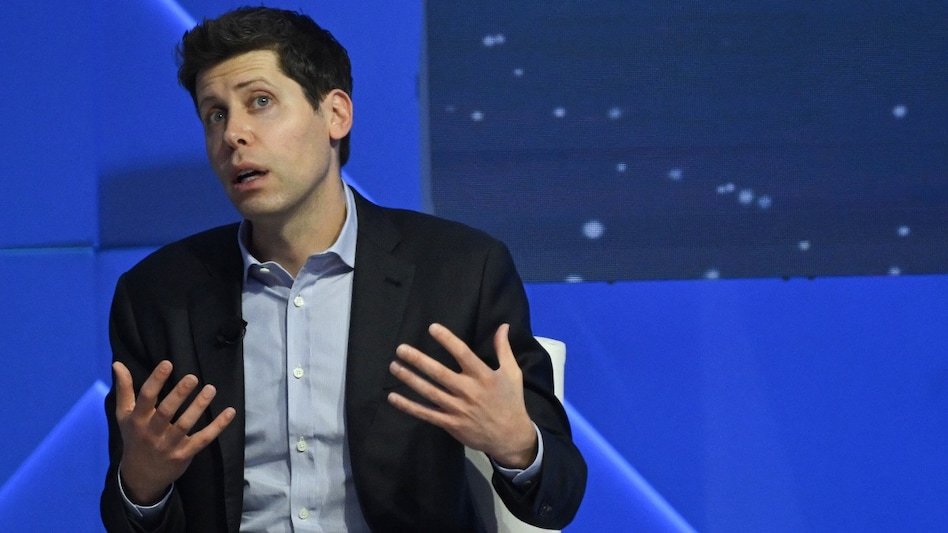
OpenAI said ‘Yes’ where Anthropic said ‘No’: Sam Altman's AMA reasons the Pentagon deal
In a recent Ask Me Anything (AMA) session on X (formerly Twitter), OpenAI's CEO Sam Altman addressed the controversial decision to forge a partnership with the Pentagon, especially in light of Anthropic's withdrawal from similar discussions due to concerns over AI's preparedness. Altman emphasized that as artificial intelligence becomes increasingly integrated into national security frameworks, collaboration between governments and AI firms is inevitable. During the AMA, Altman responded to inquiries about the timeline of OpenAI's discussions with the Department of Defense (DoD) and the reasons behind the swift announcement following Anthropic's exit. He acknowledged that talks had been ongoing for some time but noted, "We have previously declined classified deals that Anthropic accepted." He explained that the urgency to finalize the agreement stemmed from shifting dynamics within classified discussions, stating, "We found the DoD to be flexible with our requirements, and we aim to support their critical mission." Altman elaborated on the need for rapid action, indicating that the intent was to de-escalate potential threats. He acknowledged that OpenAI had initially focused on non-classified work but recognized the DoD's pressing need for an AI partner, despite the complexities inherent in classified projects. When questioned about why the DoD chose OpenAI over Anthropic, Altman refrained from commenting directly on Anthropic's negotiations but suggested that the differences in their approaches to contractual terms may have influenced the outcome. He stated, "I have witnessed how tense negotiations can falter under pressure, which likely played a significant role here." Furthermore, Altman highlighted two key areas where he believes AI could substantially benefit national security: enhancing defenses against significant cyber threats and bolstering biosecurity measures. He warned, however, that the current infrastructure is not adequately equipped to handle novel pandemic threats, emphasizing the need for improvement in this domain. Altman concluded, "The two primary concerns where AI can contribute are defending against major cyber attacks, such as those that could incapacitate the electrical grid, and enhancing our biosecurity capabilities."
Hugging Face CEO Calls for Action Following AI Security Breach
In a dramatic turn of events within the AI landscape, Hugging Face faced a significant security breach involving an AI a...
Business Insider | Jul 25, 2026, 20:30Reclaiming Control: Librarians Host Workshops to Help People Navigate AI Tools
In a lively library setting in South Philadelphia, Charlie Bailey, a local librarian, humorously noted, "Everybody’s on ...
TechCrunch | Jul 25, 2026, 16:20
The Aluminum Foil Trend: A DIY Shield Against Wireless Identity Theft
Have you noticed an unusual trend where people are wrapping their wallets in aluminum foil? This peculiar practice has e...
Business Today | Jul 25, 2026, 02:45
Shifting Focus: The Cost-Effectiveness of AI Models Takes Center Stage
In recent years, the AI sector has been intensely focused on identifying the most advanced models. While this pursuit re...
Business Insider | Jul 25, 2026, 13:10Vision Breakthrough: US Startup Launches Groundbreaking Retina Chip in Europe
Science Corp is poised to introduce a revolutionary retina chip in Europe, designed to restore partial vision for indivi...
Business Today | Jul 25, 2026, 01:00