
OpenAI launches GPT 5.4 Cyber to boost AI-powered cybersecurity, eyes lead over Claude Mythos
On March 14, OpenAI revealed an expansion of its Trusted Access for Cyber (TAC) program with the introduction of the GPT 5.4 Cyber model. This innovative variant of GPT-5.4 is specifically engineered to enhance AI-driven cybersecurity measures, equipping security experts with the tools needed for sophisticated defensive tasks. This announcement follows closely on the heels of Anthropic's launch of Claude Mythos as part of Project Glasswing, highlighting the escalating competition among tech giants to create advanced tools capable of identifying vulnerabilities and combating new threats in the digital arena. The standout feature of GPT 5.4 Cyber lies in its binary reverse engineering capability. This allows cybersecurity professionals to analyze software, uncover malware threats, identify security flaws, and evaluate the robustness of applications—all without requiring access to the source code. The GPT 5.4 Cyber model is fine-tuned specifically for cybersecurity applications and has fewer limitations compared to its predecessor. It is designed to facilitate complex defensive operations, including vulnerability detection in extensive codebases, reasoning through intricate software frameworks, and analyzing malware behaviors. Due to its enhanced capabilities, OpenAI is proceeding with caution regarding the model's distribution. Access to GPT 5.4 Cyber is limited to vetted security firms, organizations, and researchers. OpenAI emphasized that the use of these advanced cyber-capable models will come with restrictions, especially concerning no-visibility scenarios like Zero-Data Retention (ZDR). When comparing it to Anthropic’s Claude Mythos, it's important to note that while both models target cybersecurity, GPT 5.4 Cyber is an adapted version of an existing model, whereas Claude Mythos is a completely new creation. Currently, Mythos is available only to a select group of organizations under Project Glasswing for evaluation, whereas GPT 5.4 Cyber is accessible through a controlled TAC program, which was initially introduced in February 2026, allowing for stringent identity verification before access is granted.
Climate Resources Revived: Nonprofit Launches New Climate Portal After Government Shutdown
For many years, U.S. government researchers and sponsored programs have created an extensive array of climate resources....
Ars Technica | Jun 23, 2026, 22:10
AMD Looks to Software Solutions Amid High-Bandwidth Memory Shortages in AI
As the race to develop and implement generative AI models intensifies, the focus has shifted from merely compute power t...
Business Today | Jun 24, 2026, 07:05
AI Startup Takes Legal Action Against U.S. Government Over Model Access Ban
The recent ban imposed by the U.S. government on Anthropic's latest AI model, Claude Fable 5, has prompted a significant...
Business Today | Jun 24, 2026, 08:00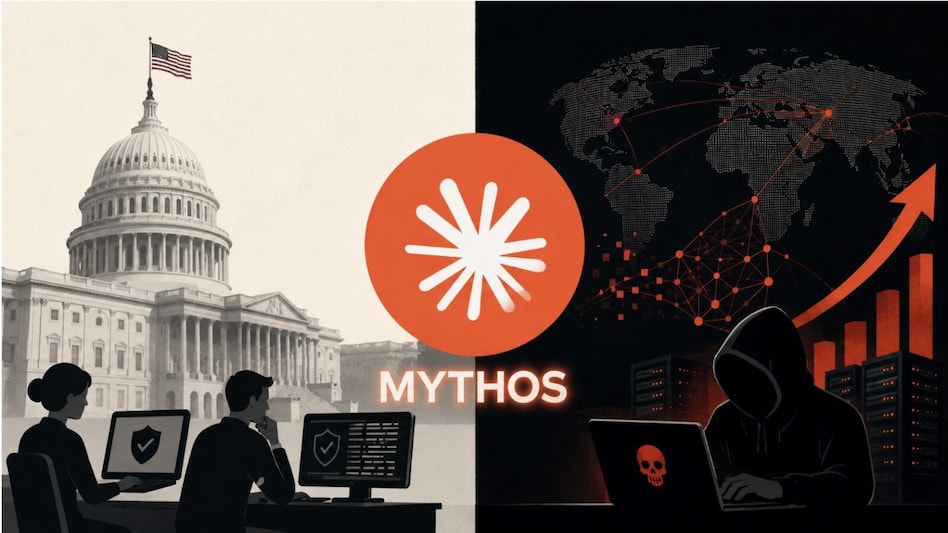
Leadership Shakeup: Realme India CEO Resigns Amid Strategic Overhaul
In a significant corporate shift, Michael Guo, the CEO of Realme India, has resigned as the brand's parent company, Oppo...
Business Today | Jun 24, 2026, 07:05
China's LineShine Supercomputer Surpasses U.S. Rival, Ushering in a New Era in Tech Competition
In a significant development in the global technology arena, China has claimed the title of the world's most powerful su...
CNN | Jun 24, 2026, 07:30