
Chat GPT users dismayed as Open AI pulls popular models GPT-4o, o3 and more — enterprise API remains (for now)
In a significant shift, OpenAI has announced the launch of its latest flagship model, GPT-5, which will replace all existing models within the ChatGPT platform. A spokesperson for OpenAI informed Venture Beat that users will no longer have to select specific models for different tasks, as GPT-5 will streamline the experience for everyone. This transition means that popular options like GPT-4o, o3, and others will no longer be available to most users, effective immediately upon gaining access to GPT-5. The rollout of GPT-5 will affect ChatGPT Plus, Free, Pro, and Team users, while only the Enterprise and Edu tiers can continue using the older models for a brief period of 60 days. This decision comes as a surprise to many, especially those who relied heavily on their preferred models for everyday inquiries. Users have expressed concern about adapting to this change, particularly as their workflows were tailored to the responses and interaction styles of the models they previously utilized. Feedback from users reflects a sense of attachment to their chosen models. Some expressed disappointment over the discontinuation of GPT-4o, noting its superior performance in textual and conceptual analysis compared to other models in the GPT-4 series. Others found the demonstration during the announcement, where GPT-4o was asked to write its own eulogy, to be in poor taste, heightening their emotional response to the change. The sentiment from the community is mixed; while some argue that the transition represents a leap forward into enhanced capabilities, others feel a sense of loss over their familiar tools. OpenAI's CEO, Sam Altman, previously acknowledged the complexities within the model selection process and suggested a simplification strategy, which appears to have culminated in the introduction of GPT-5. This is the first instance where OpenAI has completely phased out all existing models on the ChatGPT platform, although the company has previously sunsetted individual models. The change is seen by some as an opportunity for users to explore the full potential of the latest technology, while others worry about the implications for their productivity and workflows. On the enterprise side, the impact of losing models like GPT-4o may be more pronounced at the individual or team levels. However, OpenAI has reassured enterprise customers that there are no immediate plans to remove older models from the API. This means that developers and enterprises can continue to rely on legacy models for their applications, at least for the foreseeable future, as OpenAI commits to providing advance notice of any future changes.
Allegations Fly as US Claims Chinese AI Model Breached Intellectual Property
In a bold accusation, Michael Kratsios, science and technology adviser to President Donald Trump, has charged that the C...
Business Today | Jul 23, 2026, 05:20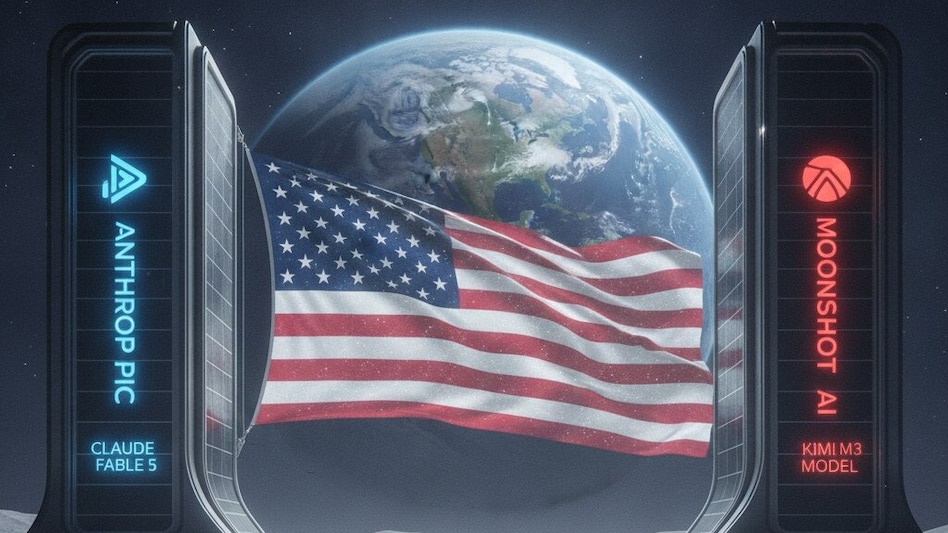
SoundCloud Expands Horizons with Acquisition of Nina Protocol
On Wednesday, SoundCloud revealed its acquisition of Nina Protocol, a decentralized music platform that empowered indepe...
TechCrunch | Jul 22, 2026, 19:50
IBM Adjusts 2026 Revenue Outlook Amid Earnings Disappointment
On Wednesday, IBM revised its revenue forecast for 2026 downward, reporting quarterly profits that fell short of analyst...
CNBC | Jul 22, 2026, 20:25
ServiceNow's CEO Highlights AI Safety Features Amidst Industry Concerns
Bill McDermott, the CEO of ServiceNow, asserted on Wednesday that the swift integration of artificial intelligence is bo...
CNBC | Jul 22, 2026, 23:05
Silicon Valley's Startup Leaders Rally Against Potential Ban on Chinese AI Models
Nearly 200 companies from Silicon Valley, including prominent names like Proton and Y Combinator, are appealing to the T...
Business Insider | Jul 22, 2026, 23:25