
OpenAI says no to celebrity deepfakes on Sora
OpenAI has implemented a ban on the generation of celebrity deepfakes through its Sora app, which was launched alongside the Sora 2 model last month. This decision comes amid rising concerns about the misuse of the AI video application to create realistic impersonations of individuals without their consent. The issue gained prominence after actor Bryan Cranston, known for his role in 'Breaking Bad,' voiced his distress over the unauthorized use of his likeness and voice in videos created by users of the app. Cranston raised the matter with SAG-AFTRA, the union representing over 170,000 media professionals, expressing his worry not only for himself but for all performers who could see their identities misappropriated in similar ways. Cranston stated, "I am grateful to OpenAI for its policy and for improving its guardrails, and hope that they and all of the companies involved in this work respect our personal and professional right to manage the replication of our voice and likeness." Following his lead, SAG-AFTRA collaborated with Cranston and three prominent talent agencies—United Talent Agency, Creative Artists Agency, and the Association of Talent Agents—to advocate for stronger protections for individuals against unauthorized use within Sora. In addition to Cranston, the families of late celebrities such as Robin Williams and George Carlin have also expressed concerns to OpenAI regarding the use of their relatives' likenesses in the app. OpenAI has responded by emphasizing its opt-in policy for utilizing the voice and likeness of living persons and has acknowledged the 'unintentional generations' that have occurred through its AI video generator. The company is actively working to enhance its safeguards to prevent the replication of voice and likeness for those who have not opted in. Notably, Sora features a “Cameo” option that allows users to insert an AI avatar of themselves into videos, leading to the creation of deepfakes of various well-known figures. Launched on September 30, the Sora app is currently accessible only via invitations and is available on iOS, with Android support expected to follow. Before this latest announcement, OpenAI had previously blocked content relating to Martin Luther King Jr. after the app was used to create offensive videos featuring the civil rights leader's likeness. OpenAI is now also providing the representatives or estate owners of historical and public figures the ability to request that their likenesses not be used in the AI-generated content within Sora.
China's Kimi K3: A New Contender in the Global AI Race Sparks US Concerns
The tech world is buzzing once again as a new Chinese AI model, Kimi K3, developed by the startup Moonshot AI, challenge...
CNN | Jul 24, 2026, 02:05
India Takes Action Against Jack Dorsey's Bitchat App Amid Protests
In a significant move, India's cybercrime agency, the Indian Cyber Crime Coordination Centre (I4C), has mandated GitHub ...
Business Today | Jul 24, 2026, 10:25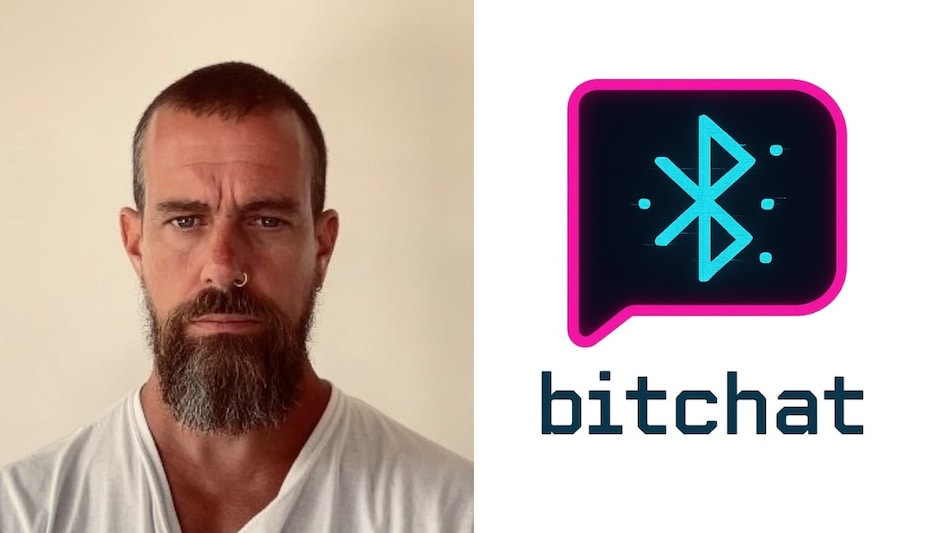
Fremont Emerges as a Robotics Hub: The Rise of Agility Robotics and Its Ambitious Plans
In a surprising turn of events, Fremont, a city traditionally known for its industrial parks, is rapidly becoming a foca...
Business Insider | Jul 24, 2026, 08:25Amazon Implements New Labeling Requirement for AI-Generated Images Following New York Legislation
In response to a recent New York law aimed at enhancing transparency in advertising, Amazon has announced a new policy r...
CNBC | Jul 24, 2026, 24:45
China's Memory Chip Giant CXMT Set to Challenge Market Dynamics with Major IPO
ChangXin Memory Technologies (CXMT), China's leading memory chip manufacturer, is preparing for a significant public lis...
CNBC | Jul 24, 2026, 02:15