
OpenAI bans Russian ChatGPT accounts used in covert misinformation campaign
OpenAI has recently taken significant steps to eliminate a series of ChatGPT accounts linked to Russia, which were allegedly utilized in a covert strategy aimed at disseminating misinformation online. This revelation came to light following an investigation into AI-generated posts on social media platforms, unveiling a much larger influence operation behind them. According to OpenAI, the campaign involved a website that featured misattributed academic articles and a 'sovereignty index' that portrayed Russia in a positive light. The operation also included measures to conceal the Russian origins of its operators. This incident marks another instance of pro-Russian entities employing AI technologies to manipulate public perception. Despite OpenAI's prohibition against providing access to its models within Russia, it was reported that VPNs were employed to mask the users' real locations. Earlier this year, OpenAI had already shut down ChatGPT accounts associated with Rybar, a pro-Russian media organization that the UK government has identified as being partially coordinated by the Presidential Administration and funded by the state corporation Rostec, in collaboration with Russian intelligence. These operators directed the AI to generate comments in Russian, which were subsequently shared on platforms such as Substack, Telegram, X, Facebook, and LinkedIn. They also instructed the model to obscure any linguistic indicators of their Russian identity. A significant portion of the generated content aimed to promote the International Burke Institute (IBI), a website that features articles plagiarized from legitimate academic sources, often with misleading attributions. OpenAI pointed out that while the immediate effects of this operation seemed minimal, the true significance lies in the sophisticated infrastructure that had been established. The AI-generated posts were designed to appear as though they originated from a credible institution, complete with supposed experts and republished academic work, along with a fabricated proprietary risk index. This case illustrates how misinformation actors can leverage AI to fabricate credibility, obscure the origins of their narratives, and build resources that can expand over time, ultimately leading to the exposure of their broader operations.
Former OpenAI Engineer Granted Release on Bond Amid Espionage Allegations
Abdulrahman Alfozan, the ex-OpenAI engineer who was terminated and subsequently arrested last month, is poised to be rel...
Business Insider | Nov 24, 2026, 20:40Nvidia's Jensen Huang Opens Up About Personal Struggles and Commitment to Improvement
In a heartfelt address to Nvidia employees, Jensen Huang revealed that he has been attending daily therapy sessions as h...
Business Today | Nov 25, 2026, 02:10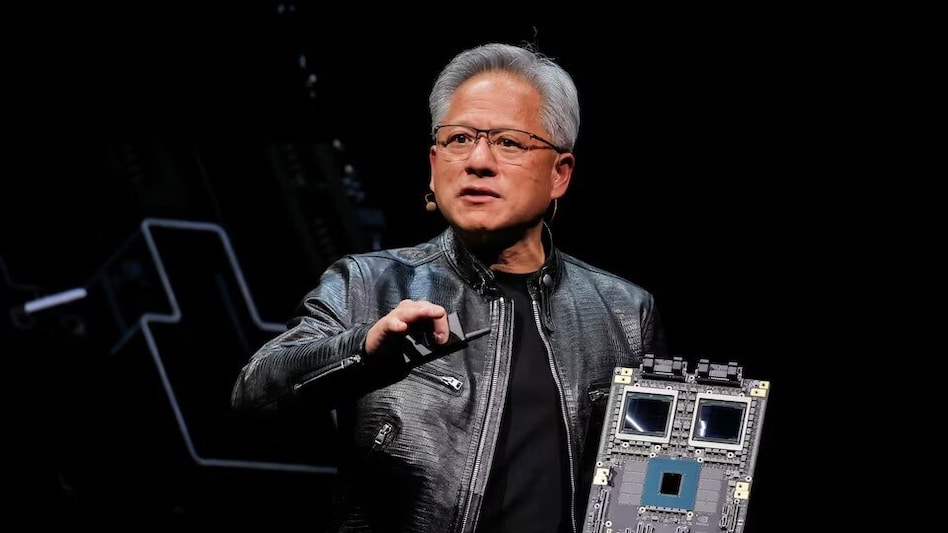
Nvidia's Jensen Huang Addresses Employees Amid Controversy and Personal Growth
In a recent company-wide meeting, Nvidia CEO Jensen Huang expressed his remorse to employees following a tumultuous peri...
CNN | Nov 24, 2026, 20:05
Trump Open to Pardon for Nvidia's Huang Amid Controversies
As Nvidia’s CEO Jensen Huang faces intense scrutiny from Congress regarding alleged ties to China and possible export co...
Business Today | Nov 25, 2026, 02:40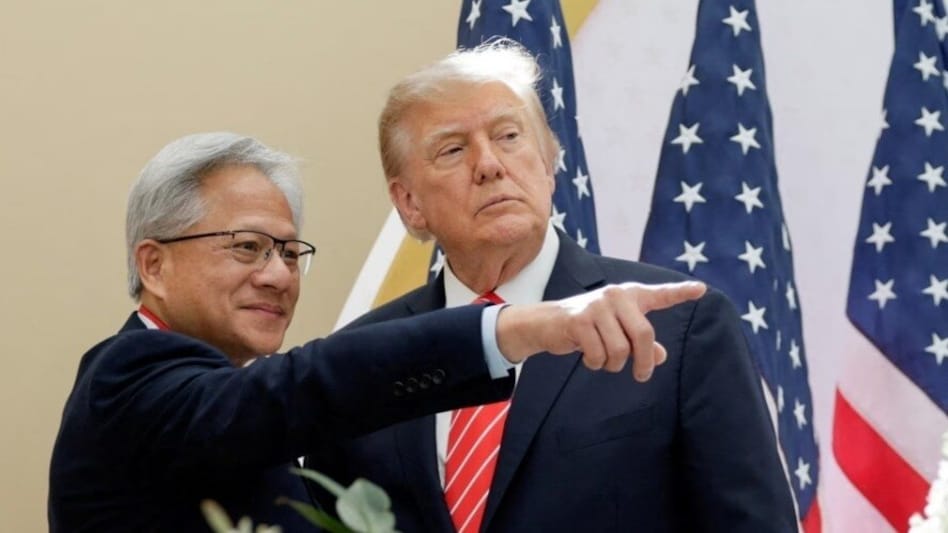
UK Government Sounds Alarm on Surge of AI-Enhanced Cyber Threats
The United Kingdom's cybersecurity agency has reported a significant increase in cyberattacks driven by artificial intel...
TechCrunch | Nov 24, 2026, 18:30