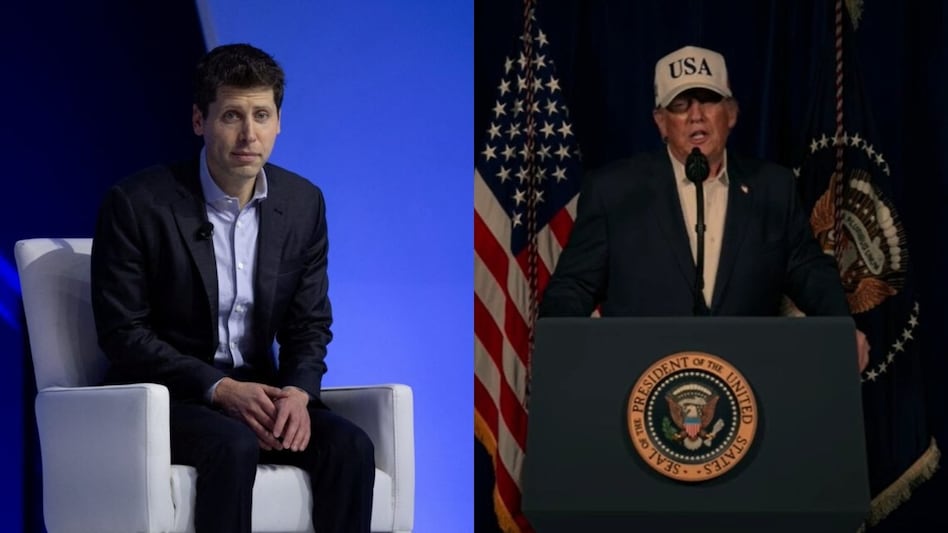
OpenAI to amend Pentagon AI deal to bar domestic surveillance, freezes intelligence agency use
OpenAI is poised to revise its contract with the U.S. Department of Defense (DoD) to explicitly prevent the use of its artificial intelligence systems for domestic surveillance of American citizens. This decision, shared by CEO Sam Altman via a post on X, comes amid heightened public scrutiny regarding OpenAI's recent move to deploy its technology on the DoD's classified networks—sparking tensions between the Pentagon and rival AI firm Anthropic over similar surveillance issues. In the upcoming amendment, OpenAI intends to incorporate clear language into its agreement that states, "In accordance with applicable laws, including the Fourth Amendment to the U.S. Constitution and the National Security Act of 1947, the AI system shall not be intentionally used for domestic surveillance of U.S. persons and nationals." This change aims to clarify that the prohibition includes deliberate tracking or monitoring of U.S. individuals, particularly through the acquisition of personal or identifiable information. Altman emphasized the importance of protecting the civil liberties of Americans, asserting that the company wants to ensure these restrictions are explicitly stated, especially concerning commercially acquired data. Additionally, he confirmed that the DoD has agreed OpenAI's services will not be utilized by intelligence agencies, such as the NSA, without a subsequent modification to their contract. This formalization of restrictions comes shortly after Anthropic faced potential designation as a "supply chain risk" by the DoD, following unsuccessful negotiations over requests related to mass domestic surveillance and fully autonomous weapons. Altman reiterated his stance that Anthropic should not receive such a designation and expressed hope that the DoD would offer them terms similar to those OpenAI has secured. OpenAI researcher Noam Brown, who played a pivotal role in the company’s reasoning model advancements last year, noted that the deployment of AI to intelligence agencies would be delayed to address any potential surveillance loopholes through democratic processes. Brown remarked that the original contract language left significant questions unanswered, particularly regarding new AI capabilities that could facilitate legal surveillance. He emphasized that public safety should not rely solely on trust in AI developers or intelligence agencies. Brown also expressed his intent to take a more active role in policy discussions at OpenAI, highlighting the need for public oversight as AI technologies grow more powerful. Acknowledging the complexities of the situation, Altman admitted that OpenAI had acted too quickly in its initial announcement and recognized the need for clearer communication. He also stated that in the event of an unconstitutional order, he would prefer to face imprisonment rather than comply. These developments illustrate the increasing tension between leading AI firms and U.S. defense officials, as governments seek to leverage advanced AI for national security while companies strive to establish boundaries around surveillance and military applications. OpenAI has announced plans for an all-hands meeting to discuss employee concerns and to refine its safeguards through what Altman has termed an "iterative deployment" approach.
SpaceX Successfully Tests Starship Rocket, Launching New Era of Space Exploration
On Friday evening, SpaceX executed a significant milestone by launching its colossal Starship rocket from its facility i...
CNBC | Jul 25, 2026, 24:10
The Rise of AI Distillation: A Controversial Technique Sparks Debate in Tech and Government
In recent discussions, a once-obscure topic in artificial intelligence has surged to the forefront of debates among tech...
CNBC | Jul 25, 2026, 12:15
Vision Breakthrough: US Startup Launches Groundbreaking Retina Chip in Europe
Science Corp is poised to introduce a revolutionary retina chip in Europe, designed to restore partial vision for indivi...
Business Today | Jul 25, 2026, 01:00
The Boring Company Eyes $4 Billion Funding Boost Amid Expanding Tunnel Ventures
Elon Musk's tunneling enterprise, The Boring Company, is reportedly negotiating a substantial funding round of $4 billio...
TechCrunch | Jul 25, 2026, 19:50
Revolutionizing Office Automation: Prentis Aims to Secure $100 Million in Funding
Prentis, a newly established AI research lab, is making waves in the tech industry as it prepares to raise $100 million ...
TechCrunch | Jul 25, 2026, 24:00