OpenAI is asking for the federal government to help power a massive expansion of its data center network
OpenAI is embarking on an ambitious project to enhance its data center network, which requires significant workforce and energy resources. In a recent correspondence to the White House's Office of Science and Technology Policy, CEO Sam Altman described the $500 billion 'Stargate' initiative as a transformative opportunity for the U.S. economy, aimed at reindustrialization. The company anticipates that an investment of $1 trillion in AI infrastructure could boost the nation's GDP by over 5% within three years. However, realizing this grand vision may necessitate one-fifth of the current skilled trade workforce, alongside the addition of 100 gigawatts of energy production capacity annually. Altman's letter highlighted a critical shortage of electricians, mechanics, metal and ironworkers, carpenters, plumbers, and other construction trades, emphasizing the urgent need for new training programs via a 'Certifications and Jobs Platform' set to launch in 2026. Moreover, OpenAI pointed out a concerning 'electron gap' between the U.S. and China, warning that the limited domestic electricity generation poses threats to both AI competitiveness and national security. Citing data, the letter noted that while China added 429 gigawatts of new power capacity in 2024, the U.S. managed only 51 gigawatts. This energy bottleneck is becoming increasingly problematic for AI firms looking to expand their data centers. As new AI facilities spring up across the country, local communities have expressed growing discontent, particularly as these developments lead to increased household electricity bills in at least 13 states. Major utility companies are gearing up for multibillion-dollar infrastructure projects aimed at expanding energy-generating capabilities. However, current regulations allow these companies to recover costs from the entire customer base, raising concerns among consumers. A recent investigation by Business Insider also revealed that the public health costs associated with electricity generation for data centers could range from $5.7 billion to $9.2 billion annually. This is largely attributed to the U.S. reliance on fossil fuel sources, which generate at least 60% of the country's electricity and pose health risks to nearby residents. OpenAI has yet to provide a comment regarding these developments.
AI Startups Favor Expertise Over Entry-Level Hiring, Harvard Study Reveals
A recent study from Harvard Business School and INSEAD has uncovered a striking trend in AI-native startups: these compa...
Business Insider | Jul 05, 2026, 09:15India's Semiconductor Revolution: Chips from Sanand Set for Global Markets
In a significant milestone for India's technology landscape, Union Electronics and IT Minister Ashwini Vaishnaw announce...
Business Today | Jul 05, 2026, 03:55
Heatwaves Challenge AI Data Centers: Strategies for Survival
This summer has brought unprecedented heat to regions like India and Europe, where temperatures have soared above 40 deg...
Business Today | Jul 06, 2026, 04:50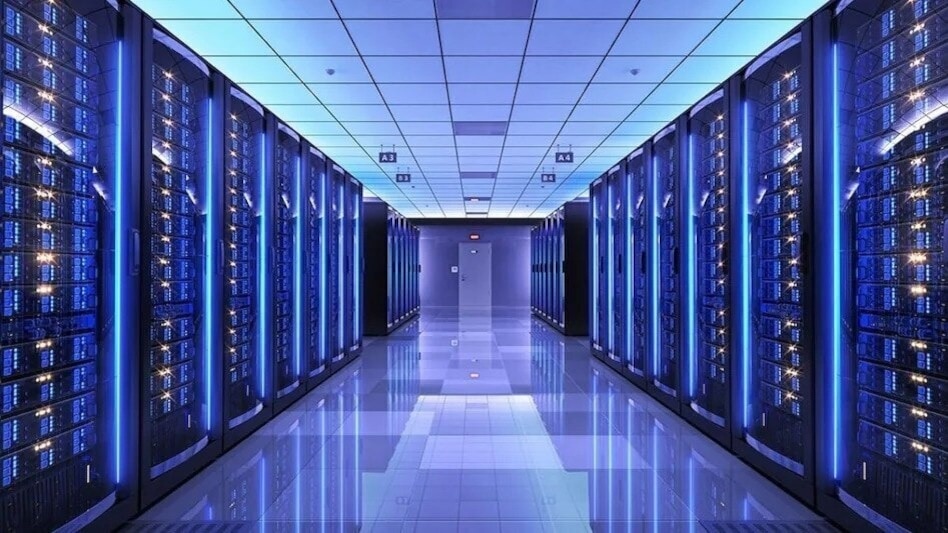
Bending Spoons: The Tech Powerhouse Making Waves on Wall Street
Bending Spoons, a tech conglomerate based in Milan, has recently made headlines by going public on Nasdaq, achieving a r...
TechCrunch | Jul 05, 2026, 13:40
Meta Faces Regulatory Pressure in India Over Child Abuse Ads on Instagram
The Indian government is escalating its scrutiny of Meta's major platforms, WhatsApp and Instagram, after disturbing all...
CNBC | Jul 06, 2026, 05:05