
OpenAI CFO Sarah Friar tells employees that annualized revenue in July topped all of Q2
OpenAI is making significant strides in the competitive landscape of artificial intelligence, particularly as it navigates challenges from rivals such as Anthropic and various cost-effective open-source alternatives. During an internal meeting on Wednesday, Chief Financial Officer Sarah Friar, alongside Board Chair Bret Taylor, reassured employees about the company's financial health, highlighting a remarkable achievement: the annualized recurring revenue in July surpassed the entire revenue for the second quarter. "Q2 was no slouch," Friar remarked, indicating strong performance even before this milestone. The revenue surge has been attributed to the successful launch of the GPT-5.6 series of models, the introduction of the new enterprise-focused agent, ChatGPT Work, and the increasing adoption of their AI coding tool, Codex. As OpenAI prepares for a substantial initial public offering (IPO), the company is under pressure to validate its staggering $852 billion valuation. The competitive landscape is rapidly evolving, particularly with new entrants like China's Moonshot AI, which recently introduced the Kimi K3 model, claiming to compete favorably against leading U.S. products. OpenAI's strategy focuses on attracting new users, especially from the enterprise sector and developers, to bolster the revenue necessary for funding its ambitious infrastructure projects. The company has plans to target an impressive $600 billion in total computing expenditure by 2030, with current discussions involving Nvidia concerning a potential backstop of up to $250 billion to support the leasing of a massive AI data center in Ohio. The emergence of Anthropic as a formidable competitor, having surpassed OpenAI's valuation earlier this year, has sparked discussions regarding the sustainability of OpenAI's business model. Anthropic reported a revenue run rate exceeding $47 billion, a significant increase from the $10 billion generated in the previous year, largely driven by the popularity of its Claude Code tool among developers. In response to the competitive pressures, Taylor noted the need for OpenAI to catch up, particularly in the coding market, while expressing optimism about the growth of Codex. He mentioned that some developers, after incurring high costs with Claude Code, are now seeking alternatives, which could benefit OpenAI. Both OpenAI and Anthropic have confidentially filed for IPOs with the Securities and Exchange Commission, but details regarding their market entry remain undisclosed. The tension between these two AI giants continues to shape the industry's future.
UK Government Sounds Alarm on Surge of AI-Enhanced Cyber Threats
The United Kingdom's cybersecurity agency has reported a significant increase in cyberattacks driven by artificial intel...
TechCrunch | Nov 24, 2026, 18:30
LinkedIn CEO Highlights Gen Z's Potential Edge in AI-Driven Job Market
As the job landscape becomes increasingly challenging for young professionals, LinkedIn's CEO, Daniel Shapero, suggests ...
Business Today | Nov 25, 2026, 24:25
Jensen Huang Opens Up at Nvidia's All-Hands Meeting: A Journey of Redemption
In a heartfelt address during Nvidia's first all-hands meeting since his reinstatement, founder Jensen Huang shared his ...
TechCrunch | Nov 24, 2026, 22:20
Trump Open to Pardon for Nvidia's Huang Amid Controversies
As Nvidia’s CEO Jensen Huang faces intense scrutiny from Congress regarding alleged ties to China and possible export co...
Business Today | Nov 25, 2026, 02:40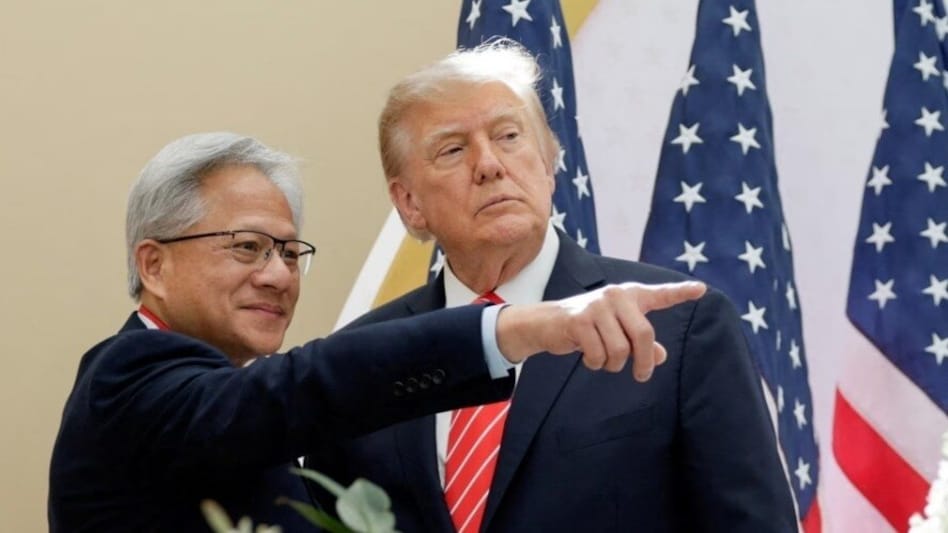
Former OpenAI Engineer Granted Release on Bond Amid Espionage Allegations
Abdulrahman Alfozan, the ex-OpenAI engineer who was terminated and subsequently arrested last month, is poised to be rel...
Business Insider | Nov 24, 2026, 20:40