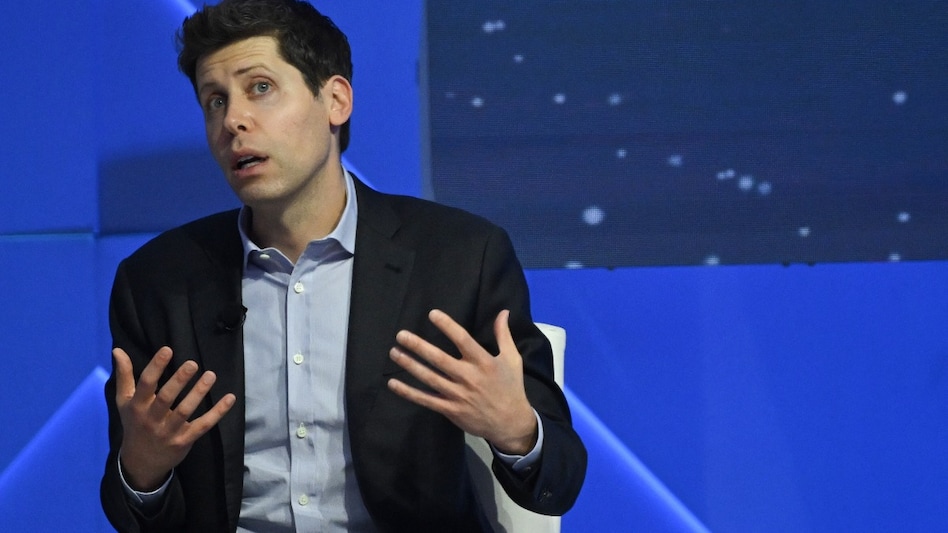
OpenAI strikes deal with US Department of War as Anthropic faces supply-chain risk threat
OpenAI has announced a significant partnership with the US Department of War, allowing the deployment of its AI models within classified networks. This development comes as the company's CEO, Sam Altman, shared the news on social media, highlighting the agreement's alignment with the firm's core safety principles. Altman emphasized that the agreement incorporates vital safeguards, including a ban on domestic mass surveillance and a commitment to human oversight in the use of force, particularly concerning autonomous weapon systems. He stated that these principles are reflected in both the legal framework and the policy of the Department of War, reinforcing their shared commitment to responsible AI development. To ensure the safe deployment of its technology, OpenAI plans to implement stringent technical controls and deploy engineers to oversee operations solely on cloud networks. Altman also urged the Department of War to extend similar conditions to other AI companies, advocating for a shift toward collaborative agreements rather than legal confrontations. In contrast, Anthropic, OpenAI's competitor, faces potential repercussions from the Department of War, which may classify the company as a supply chain risk. This warning stems from Anthropic’s refusal to allow its Claude model to be utilized for specific military applications, particularly those involving mass domestic surveillance and fully autonomous weaponry. Anthropic expressed its concerns, stating that using current AI models for fully autonomous weapons could jeopardize the safety of both military personnel and civilians. The company firmly believes that mass surveillance infringes on civil liberties, declaring it a violation of fundamental rights. The prospect of being designated a supply chain risk is unprecedented for Anthropic, as such actions have historically been reserved for foreign adversaries. The company has vowed to legally contest any attempts to impose this classification, asserting that it will not waver in its stance against mass surveillance and autonomous weapons. Furthermore, Anthropic reassured its customers that their services would remain unaffected by this potential designation, which would only impact work related to the Department of War.
The Elusive Phineas Fisher: The Hacktivist Who Took Down Spyware Giants
In the realm of cybersecurity, few figures are as intriguing as Phineas Fisher, a hacker who has evaded capture for near...
TechCrunch | Jul 25, 2026, 21:00
The Aluminum Foil Trend: A DIY Shield Against Wireless Identity Theft
Have you noticed an unusual trend where people are wrapping their wallets in aluminum foil? This peculiar practice has e...
Business Today | Jul 25, 2026, 02:45
Reclaiming Control: Librarians Host Workshops to Help People Navigate AI Tools
In a lively library setting in South Philadelphia, Charlie Bailey, a local librarian, humorously noted, "Everybody’s on ...
TechCrunch | Jul 25, 2026, 16:20
Nvidia Strikes Major Deal with SK Hynix to Secure AI Memory Supply
Nvidia has successfully forged a significant partnership with South Korea's SK Hynix to secure memory supplies essential...
CNBC | Jul 25, 2026, 05:15
Kalshi Challenges Netflix Over Controversial Documentary Trailer
Kalshi, the prediction market platform, has taken significant legal steps against Netflix, sending a cease-and-desist le...
TechCrunch | Jul 25, 2026, 17:10