New rules of AI chip access: What Nvidia's whitelist means for India
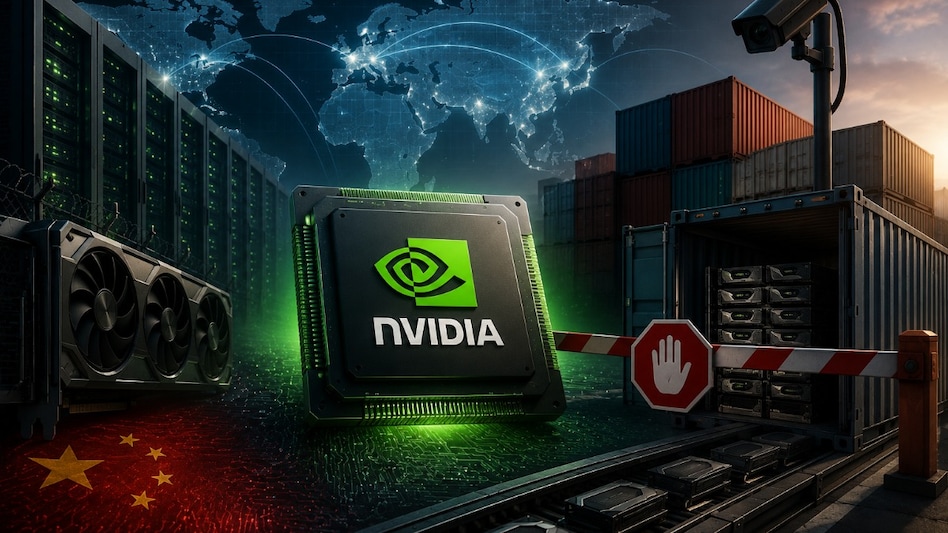
AI chips have transitioned from niche computing components to critical assets that underpin technologies like generative AI, enterprise automation, and even national security. In response to their strategic importance, governments globally are tightening regulations on who can access these advanced processors. Recent export restrictions aimed at limiting China's access to such technology have been frequently bypassed through grey-market channels and intermediaries, prompting chip manufacturers to take a more proactive stance. Nvidia has reportedly established a whitelist of approved buyers in select Asian markets while intensifying its customer vetting processes. This development suggests a significant shift from merely adhering to export rules to actively managing who can access AI computing power. According to the Financial Times, this strategy is part of broader U.S. efforts to eliminate loopholes that have allowed advanced AI chips to reach China despite existing restrictions. The reported whitelist focuses not only on where the chips are shipped but also on the identities of the buyers and their intended applications. Devroop Dhar, Managing Director and CEO at Primus Partners, noted, "This whitelist changes the conversation from just shipping locations to the customers themselves, requiring a deeper examination of end-users and their intended workloads." While most legitimate buyers are expected to secure access without issues, the procurement process is likely to face increased scrutiny. This heightened oversight could have a notable impact on how Nvidia distributes its state-of-the-art GPUs across Asia, particularly affecting regions like Singapore, Malaysia, and potentially India. Industry experts believe that Indian enterprises may experience longer procurement timelines and higher compliance costs rather than outright access restrictions. Pareekh Jain, CEO of EIIRTrend and Pareekh Consulting, remarked, "Although India isn't the primary focus of this crackdown, Indian Cloud Service Providers could still feel the effects. They may need to present comprehensive KYC documentation, verified contracts, and may even face physical audits, prolonging the procurement process." Startups and smaller GPU cloud providers could face the most challenges, as they typically have less robust legal and compliance frameworks. Delays in procurement could hinder product launches and model training, which are critical for these companies operating on tight schedules and budgets. As Dhar pointed out, even minor setbacks in acquiring necessary equipment can significantly affect a startup's ability to meet customer obligations. However, analysts expect that the immediate impact on India's ambitious AI initiatives, particularly the IndiaAI Mission, will be minimal. This government-backed program works with approved infrastructure providers and operates within established procurement guidelines, potentially easing the demonstration of ownership and intended use of chips. Moreover, India is seen as a vital growth market for Nvidia, with the company already collaborating with local cloud providers and AI startups to bolster the nation’s AI capabilities. While the new governance measures may introduce some delays, they are unlikely to derail planned GPU deployments. Experts caution that India should remain vigilant, as future geopolitical developments may alter the landscape of chip access. Sushovan Mukhopadhyay, Director Analyst at Gartner, expressed that while current procurement through established domestic providers offers some insulation, changes in trade policies could impose tighter regulations in the future. What begins as a compliance initiative by Nvidia could set a new industry standard. If successful, this whitelist strategy may become a blueprint for other AI chip manufacturers, including AMD and Intel, who may also ramp up their customer vetting processes. This could change the dynamics of the AI landscape, wherein access to cutting-edge processors could increasingly depend not only on technological capability but also on regulatory compliance and buyer authorization.
Electric Truck Innovator Harbinger Secures Major Funding from Erebor Bank
Harbinger, an emerging player in the electric truck industry, has secured a significant financial boost from Erebor Bank...
TechCrunch | Nov 24, 2026, 18:00
Staggering Recovery Rates Highlight Digital Payment Fraud Challenges
The battle against digital payment fraud continues to be an uphill struggle for consumers, with official data revealing ...
Business Today | Nov 24, 2026, 09:30
Instagram Integrates AI Assistant Muse for Enhanced User Experience
In a significant move, Meta has announced the integration of its AI assistant, Muse, directly into Instagram's direct me...
TechCrunch | Nov 24, 2026, 17:25
Revolutionizing Cybersecurity: AI's Role in Modern Threat Detection and Defense
As businesses increasingly embrace digital transformation and artificial intelligence, the complexity of cybersecurity t...
Business Today | Nov 24, 2026, 08:30
Supertake Secures $20 Million to Revolutionize AI-Driven Investment Portfolios
Supertake, an innovative AI investing startup, is on a mission to transform how individuals engage with the stock market...
TechCrunch | Nov 23, 2026, 22:10