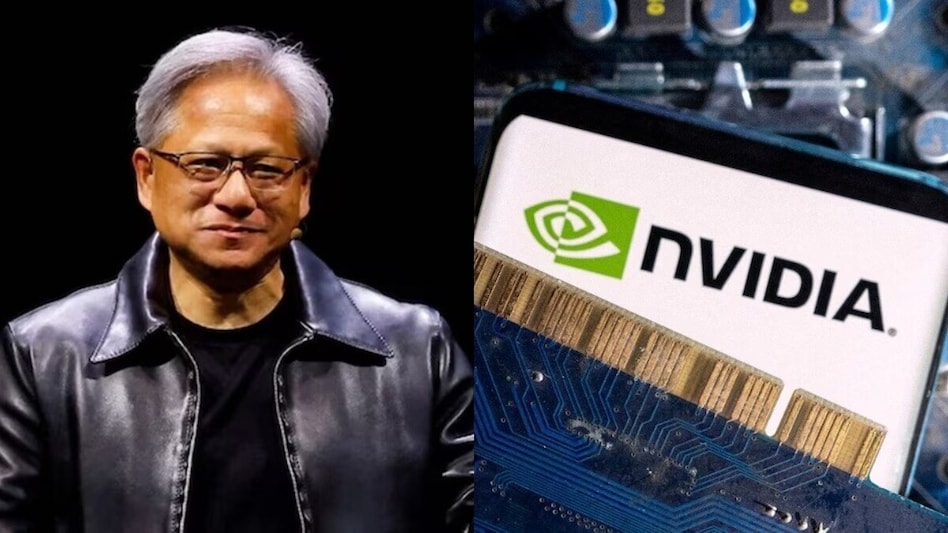
Nvidia CEO Jensen Huang believes a 4-day workweek is possible thanks to AI, but...
Jensen Huang, the CEO of Nvidia, has proposed that the advent of artificial intelligence could pave the way for a global transformation towards a four-day workweek. However, he cautions that this technological evolution might paradoxically lead to even busier work lives. In an interview on Fox Business Network’s The Claman Countdown, Huang drew parallels between the rise of AI and past industrial revolutions that significantly altered societal norms and working patterns. "Every industrial revolution leads to some change in social behavior," he noted, suggesting that a shift towards shorter workweeks could be one of the outcomes of this AI revolution. Huang emphasized AI's potential to handle time-consuming tasks with remarkable speed, thereby opening avenues for innovation and creativity. Yet, he expressed a concern that increased productivity could lead to a heightened workload. "I have to admit that I’m afraid to say that we are going to be busier in the future than now," he remarked, underscoring that as companies streamline operations, they are likely to embark on even more new projects. On the topic of employment, Huang maintained a more hopeful perspective compared to some industry leaders. He acknowledged that while certain jobs may become obsolete, many new opportunities will arise, and every role will likely evolve in response to AI advancements. Evidence supporting the transition to shorter workweeks is already surfacing. Trials conducted in the UK, US, and Canada indicate that employees can maintain productivity levels in just 33–34 hours per week, with some reporting increases of up to 24%. These trials have also shown a significant reduction in employee burnout, turnover, and absenteeism. In the Netherlands, a 32-hour workweek is becoming the norm, with both employers and employees showing reluctance to revert to longer hours. Huang’s insights come as Nvidia strengthens its position as the world’s most valuable company, boasting a market capitalization exceeding $4 trillion. The company recently reported quarterly earnings of $46.7 billion, driven by the soaring demand for its AI chips, including the latest Blackwell Ultra (GB300) architecture. Huang predicts that between $3 trillion and $4 trillion will be invested globally in AI infrastructure throughout this decade.
Call for U.S.-Led AI Standards: A Push for Safety and Oversight
The leader of Google's AI division has urged the United States to take the lead in establishing a governing body for art...
CNBC | Jul 14, 2026, 14:05
Smartphone Shipments Plummet to Lowest Point in 13 Years Due to Chip Shortage
The global smartphone market has reached a concerning milestone, with shipments falling to their lowest level since 2013...
Business Today | Jul 14, 2026, 12:05
IBM Faces Sharp Decline as AI Spending Cuts Hit Earnings
In a shocking turn of events, IBM's stock plummeted nearly 23% in premarket trading on Tuesday following the company's d...
Business Insider | Jul 14, 2026, 12:25Chamath Palihapitiya Warns Rising AI Costs Could Diminish Corporate Profits
Tech investor Chamath Palihapitiya recently expressed concerns that the growing adoption of artificial intelligence coul...
CNBC | Jul 14, 2026, 14:55
Frontier Airlines Set to Launch In-Flight Wi-Fi Powered by Starlink in 2027
Frontier Airlines is preparing to introduce in-flight Wi-Fi services in 2027, utilizing SpaceX's Starlink technology. Th...
CNBC | Jul 14, 2026, 13:05