Jensen Huang says it's 'lunacy' to compare selling chips to China to selling nukes to North Korea
In a recent discussion, Nvidia CEO Jensen Huang firmly rejected comparisons made by Anthropic CEO Dario Amodei between the sale of advanced chips to China and the sale of nuclear weapons to North Korea. This clash of perspectives arose during an episode of the 'Dwarkesh Podcast' when host Dwarkesh Patel highlighted Amodei's provocative analogy, which Huang deemed 'lunacy.' Huang has consistently advocated for the ability of U.S. companies to sell high-end chips in China, arguing that such sales could represent a significant revenue stream, potentially reaching $50 billion annually for Nvidia. In contrast, Amodei has voiced strong opposition, warning that these sales would unfairly enhance China's technological capabilities during a critical development phase. He emphasized that China is still years behind the U.S. in producing cutting-edge chips at scale. In his January essay, 'The Adolescence of Technology,' Amodei argued against boosting China's AI industry at a crucial moment. He highlighted the risks of allowing China to advance while U.S. companies might remain tethered to an outdated tech framework. When Patel pressed Huang further by likening AI computing to enriched uranium, Huang asserted, 'We're not enriched uranium. It's a chip, and it's a chip that they can make themselves.' While Amodei did not mention Huang or Nvidia directly in his essay, the context was clear given Huang's prominent advocacy for chip sales to China. Although the two executives have had previous disagreements, there seemed to be a thaw in relations after Nvidia announced a potential $10 billion investment in Anthropic, suggesting a partnership with both Anthropic and Microsoft. Huang expressed concern over the implications of creating fragmented ecosystems where open-source models thrive on foreign tech stacks, while closed-source models remain confined to American resources. He warned, 'It would be extremely foolish to create two ecosystems: the open-source ecosystem that only runs on a foreign tech stack, and a closed ecosystem that runs on the American tech stack.' Moreover, Huang successfully lobbied the Trump administration to permit the sale of H-200 chips to China, despite prior Biden-era restrictions. However, Nvidia CFO Colette Kress noted that the company has yet to see revenue from H-200 sales in China, partly due to a slow U.S. security review process.
Australia Gears Up for Startup Showdown: Meet the Judges Who Will Shape the Future
The excitement is building as TechCrunch Startup Battlefield makes its way to Australia, in collaboration with Stripe, t...
TechCrunch | Jul 24, 2026, 24:30
Elon Musk's Ambitious Leap: Can Tesla's Optimus Robot Revolutionize Work and Life?
Elon Musk has transformed Tesla into a leading automotive giant, but now he is staking the company's future on a groundb...
Business Insider | Jul 24, 2026, 09:10Meta Tightens Rules on Smart Glasses to Protect User Privacy on Instagram
Meta has taken a significant step in addressing privacy issues related to smart glasses by implementing new guidelines f...
Business Today | Jul 24, 2026, 11:50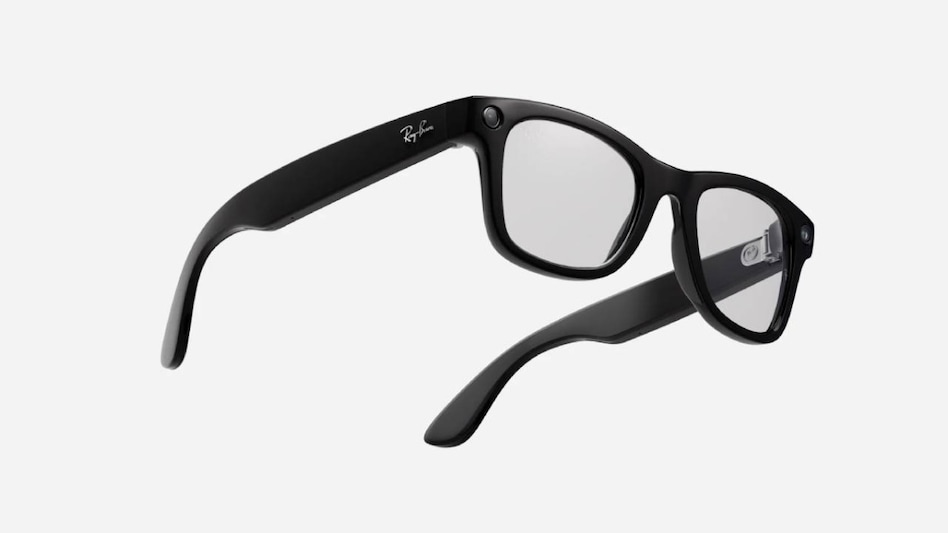
China's Kimi K3: A New Contender in the Global AI Race Sparks US Concerns
The tech world is buzzing once again as a new Chinese AI model, Kimi K3, developed by the startup Moonshot AI, challenge...
CNN | Jul 24, 2026, 02:05
Global Leaders Unite to Promote Secure Open-Source AI at APEC Summit
In a significant development at the recent APEC summit in Chengdu, China, member nations, including the United States, e...
CNBC | Jul 24, 2026, 02:45