CEO Jensen Huang stepped in as criticism mounted over a key Nvidia product launch, internal emails show
In a recent internal email exchange, it was revealed that Nvidia's senior executives, including CEO Jensen Huang, actively engaged in addressing customer concerns following the launch of their DGX Spark product late last year. This correspondence sheds light on Nvidia's response strategy amid public feedback, particularly as they broaden their offerings aimed at developers and researchers. The DGX Spark, a desktop AI system designed to facilitate the development of applications across various fields such as data science and medicine, faced immediate scrutiny post-launch. Critics pointed out issues related to software stability and performance, which were highlighted in various tech publications. Despite the backlash, Huang emphasized the importance of the Spark platform, referring to it as the "ultimate developer’s platform — out of the box easy to run all NVIDIA." Industry analyst Anshel Sag, who has monitored Nvidia's product launches for over a decade, noted that the company's extensive experience in the gaming sector has equipped it to handle public criticism effectively. Huang's close involvement with new product releases reflects Nvidia's heightened sensitivity to public sentiment, especially concerning its stock performance. One notable criticism came from AstraZeneca's Justin Johnson, who acknowledged the DGX Spark's speed but lamented software bugs that hampered user experience. After an executive shared Johnson's remarks internally, Huang urged his team to take swift action. An Nvidia engineer later confirmed that the company had reached out to Johnson to address the issues, which were linked to a mismatch in the CUDA software version. Following this incident, Nvidia proactively monitored social media for additional complaints regarding DGX Spark's performance and pricing. Staff members engaged with notable critics, including researcher Christopher Kouzios, who shared his frustrations after purchasing the system for medical research. Kouzios reported delays in receiving support but later praised Nvidia for their exceptional response time. While it is common for tech products to launch with unfinished software, Nvidia's approach to handling complaints has been described as more attentive compared to other companies, a strategy that resonates with Huang's leadership style. However, experts warn that such high-level engagement during product controversies can be a double-edged sword, balancing the potential for authenticity against the risk of appearing defensive. As Nvidia navigates these challenges, their ability to respond to criticism effectively may shape the future of their product launches and customer relationships.
Divorce Drama: Tech Mogul's Ex-Wife Faces Setback in AI Wealth Battle
The surge in wealth from the booming AI industry is reshaping fortunes, yet the former spouse of one of South Korea's le...
CNN | Jul 24, 2026, 05:45
Ashneer Grover Unveils Innovative Loan Guarantee Platform for Employees
Ashneer Grover, the former MD and co-founder of BharatPe, has made waves with the announcement of his new fintech initia...
Business Today | Jul 24, 2026, 05:55
Global Leaders Unite to Promote Secure Open-Source AI at APEC Summit
In a significant development at the recent APEC summit in Chengdu, China, member nations, including the United States, e...
CNBC | Jul 24, 2026, 02:45
Why the iPhone 17 is the Smart Choice Ahead of the iPhone 18 Launch
As Apple gears up for the release of its latest iPhone models, including the iPhone 18 Pro and the first foldable varian...
Business Today | Jul 24, 2026, 09:35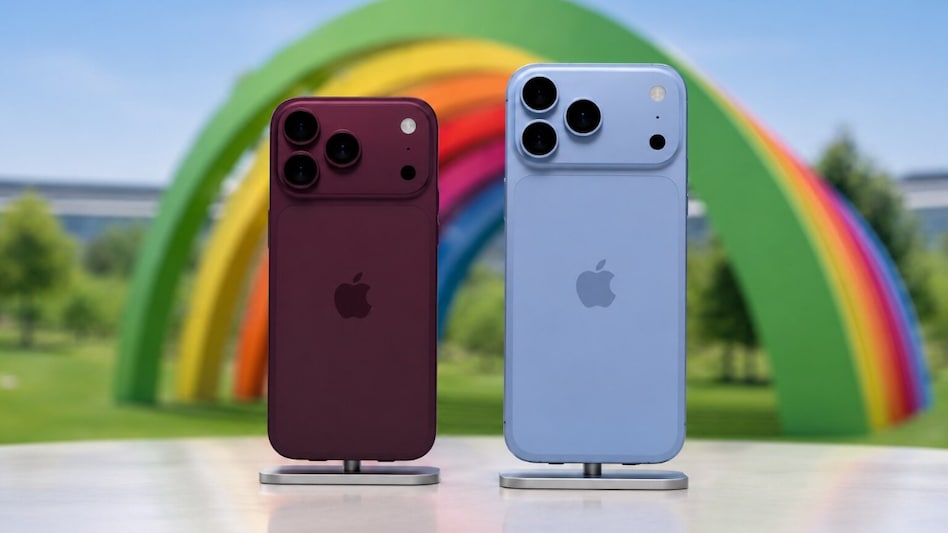
Fremont Emerges as a Robotics Hub: The Rise of Agility Robotics and Its Ambitious Plans
In a surprising turn of events, Fremont, a city traditionally known for its industrial parks, is rapidly becoming a foca...
Business Insider | Jul 24, 2026, 08:25