Nvidia CEO says he's 'disappointed' after report China has banned its AI chips
In a recent statement, Nvidia's CEO Jensen Huang expressed his disappointment regarding China's reported ban on the company's AI semiconductors. According to a Financial Times article, the Cyberspace Administration of China (CAC) has instructed firms such as ByteDance and Alibaba not to purchase Nvidia's AI chips, including the less powerful H20 model. Huang, responding to inquiries about the situation, remarked that Nvidia can only serve markets when the respective countries welcome their presence. He reflected on Nvidia's significant contributions to the Chinese market over the years, stating, "We probably contributed more to the China market than most countries have. And I'm disappointed with what I see." Highlighting the ongoing tensions between China and the United States, Huang acknowledged the complexities involved, saying, "But they have larger agendas to work out between China and the United States, and I'm understanding of that." This latest development adds to the challenges Nvidia has faced in China, which Huang described as a "bit of a rollercoaster." He advised financial analysts to exclude China from their forecasts due to the uncertainty stemming from U.S.-China relations. The U.S. government had previously implemented restrictions on the export of Nvidia's AI chips to China, including the H20 chip, citing national security concerns. However, in August, a deal was struck between President Trump and Huang, allowing Nvidia to obtain export licenses while committing to share 15% of its Chinese sales of the H20 with the U.S. government. Moreover, this news follows China's State Administration for Market Regulation (SAMR) launching an anti-monopoly investigation into Nvidia's acquisition of Mellanox, a company specializing in network solutions for data centers and servers. Amid these challenges, Huang is currently accompanying President Trump on a state visit to the U.K., where Nvidia recently announced a substantial £11 billion ($15 billion) investment in AI infrastructure. Other major U.S. tech firms, including Microsoft, Google, and Salesforce, have also made significant AI investments in the U.K. Despite the geopolitical climate, Huang emphasized the importance of China's AI sector, stating, "The Chinese market is important. It's large. The technology industry is vibrant. We've been in service of it for 30 years." He also reaffirmed Nvidia's commitment to supporting both the Chinese government and U.S. interests as they navigate these complex geopolitical issues.
Alphabet Takes the Lead in AI Investment Amid Industry Competition
In a bold move that underscores its commitment to artificial intelligence, Alphabet has significantly ramped up its spen...
CNBC | Jul 24, 2026, 19:45
Waymo to Launch Standalone App, Ending Exclusivity with Uber in Major Cities
For the past three years, Uber and Waymo, the autonomous vehicle division of Alphabet, have collaborated to provide driv...
CNBC | Jul 24, 2026, 21:55
SpaceX's Latest Starlink Launch Marks Milestone Amid Booster Setbacks
On Friday, SpaceX marked a significant achievement by successfully launching its first batch of third-generation Starlin...
TechCrunch | Jul 24, 2026, 23:40
Elon Musk Faces Major Setbacks as Tesla and SpaceX See Significant Stock Declines
It has been a challenging week for Elon Musk, as both Tesla and SpaceX experienced substantial stock declines. Tesla sha...
CNBC | Jul 24, 2026, 20:40
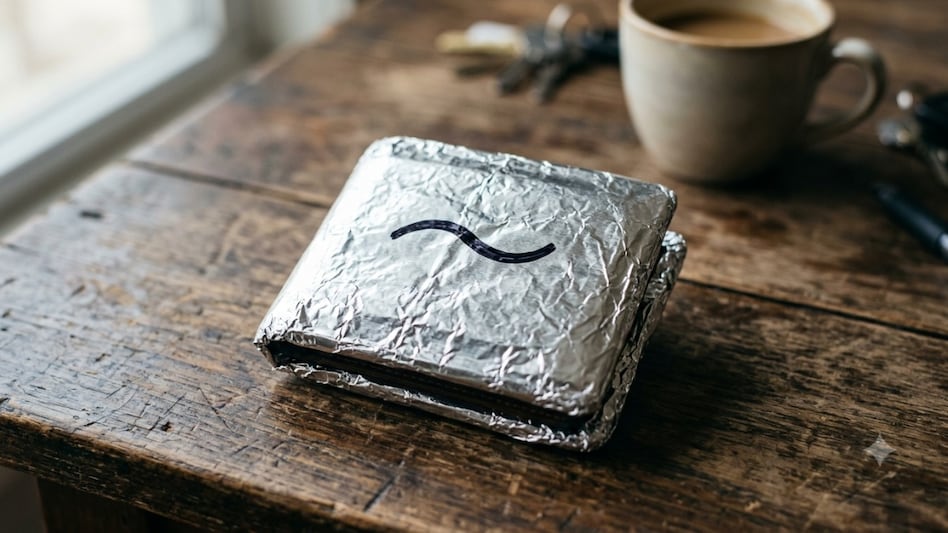
The Aluminum Foil Trend: A DIY Shield Against Wireless Identity Theft
Have you noticed an unusual trend where people are wrapping their wallets in aluminum foil? This peculiar practice has e...
Business Today | Jul 25, 2026, 02:45