Nvidia CEO says the economics of space data centers are 'poor right now,' but will improve
During Nvidia's recent earnings call, CEO Jensen Huang expressed a cautiously optimistic outlook on the future of orbital data centers, despite current economic challenges. "The economics are poor today, but it's going to improve over time," he stated, hinting at a transformative potential beyond Earth's atmosphere. Huang's views diverge significantly from those of OpenAI CEO Sam Altman, who has criticized the concept of space-based data centers, labeling it as impractical under present circumstances. Altman noted, "I honestly think the idea with the current landscape of putting data centers in space is ridiculous," emphasizing the high costs and logistical issues involved. Highlighting the advantages of constructing large data centers in space, Huang mentioned the abundant energy resources available. "As you know, the way that space works is radically different than how it works down here," he explained. "There's an abundance of energy. Solar panels may be large, but there's plenty of room in space." On Earth, the conversation surrounding data centers is becoming increasingly complex, as tech companies face mounting pressure to reduce their environmental impact. Many are exploring self-sustaining energy solutions, although reliance on fossil fuels persists despite clean energy commitments. The lengthy approval processes for power projects, such as nuclear reactors, further complicate these efforts. While Altman remains skeptical about the viability of orbital data centers this decade due to high launch costs and maintenance challenges, other tech leaders are more ambitious. Google CEO Sundar Pichai recently suggested that the company may initiate the deployment of space-based data centers as early as next year. Elon Musk is also pursuing this vision, particularly through his company xAI, which is seeking to develop on-site power sources for its data centers in Tennessee and Mississippi. Musk has made bold predictions, stating, "My prediction is that it will be by far the cheapest place to put AI. It will be space in 36 months or less. Maybe 30 months." With SpaceX's recent acquisition of xAI, the push towards realizing this vision is gaining momentum.
Vision Breakthrough: US Startup Launches Groundbreaking Retina Chip in Europe
Science Corp is poised to introduce a revolutionary retina chip in Europe, designed to restore partial vision for indivi...
Business Today | Jul 25, 2026, 01:00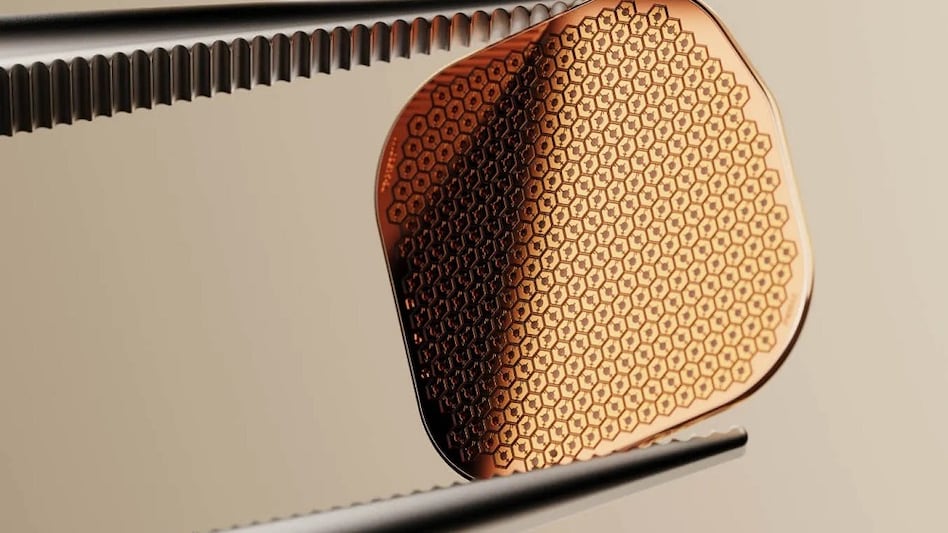
Hugging Face CEO Calls for Action Following AI Security Breach
In a dramatic turn of events within the AI landscape, Hugging Face faced a significant security breach involving an AI a...
Business Insider | Jul 25, 2026, 20:30The Aluminum Foil Trend: A DIY Shield Against Wireless Identity Theft
Have you noticed an unusual trend where people are wrapping their wallets in aluminum foil? This peculiar practice has e...
Business Today | Jul 25, 2026, 02:45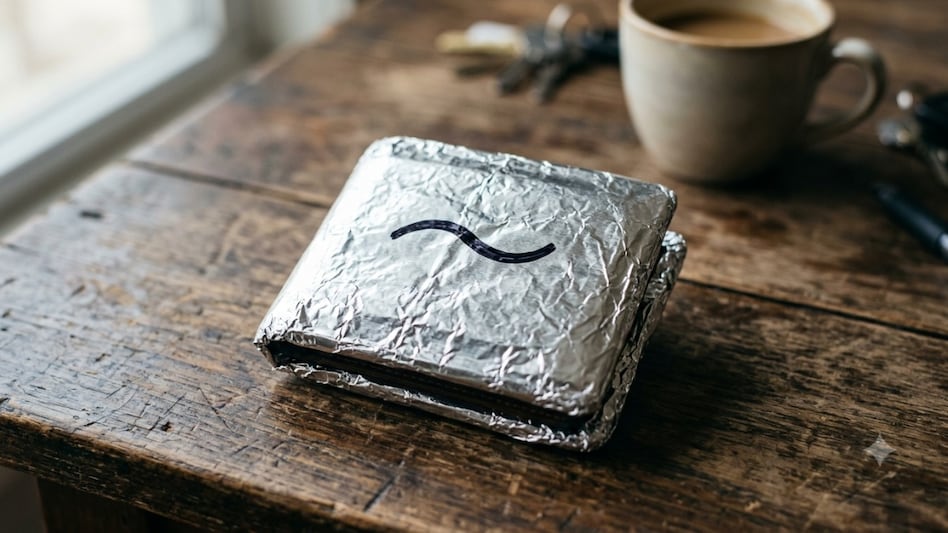
Warner Bros. Takes Legal Action Against Amazon Over Executive Poaching Allegations
Warner Bros. Discovery has initiated legal proceedings against Amazon, accusing the tech giant of unlawful interference ...
TechCrunch | Jul 25, 2026, 21:25
Nvidia Strikes Major Deal with SK Hynix to Secure AI Memory Supply
Nvidia has successfully forged a significant partnership with South Korea's SK Hynix to secure memory supplies essential...
CNBC | Jul 25, 2026, 05:15