
Nvidia announces Vera Rubin Space-1 chip system for orbital AI data centers
At the GTC 2026 conference, Nvidia introduced groundbreaking computing platforms designed for orbital data centers, marking a significant advancement in space-based artificial intelligence. CEO Jensen Huang proclaimed, "Space computing, the final frontier, has arrived," highlighting the necessity for AI to operate where data is generated as satellite constellations expand and exploration ventures deeper into the cosmos. The centerpiece of this initiative is the Vera Rubin Space-1 Module, featuring the IGX Thor and Jetson Orin chips, specifically tailored for the unique challenges of space, including constraints on size, weight, and power. Multiple companies, including Axiom Space, Starcloud, and Planet, are set to utilize this technology in upcoming space missions. Huang acknowledged the engineering challenges that lie ahead, particularly the need for effective cooling solutions in the absence of convection in space. "In space, there's no convection, there's just radiation," he explained during his keynote, emphasizing that a talented team of engineers is dedicated to resolving these issues. The proposed orbital data centers aim to alleviate some of the soaring electricity costs associated with AI infrastructure on Earth. However, the high expenses and limited availability of rocket launches still pose significant hurdles. Despite this, the rush to harness space's abundant solar power is evident, with initiatives like Google’s 'Project Suncatcher' and Elon Musk's xAI, which was recently acquired by SpaceX. In January, SpaceX sought approval from the Federal Communications Commission to launch 1 million satellites for AI centers, a plan that has sparked concerns among scientists regarding its potential environmental impact, including light pollution and the risk of orbital debris. As this ambitious project unfolds, Nvidia's advancements could play a pivotal role in shaping the future of AI in space.
Crisis Averted: Power Line Failure Highlights Urgent Need for Data Center Resilience
A power line failure near Washington, DC, recently showcased a significant challenge faced by the electrical grid due to...
TechCrunch | Jul 25, 2026, 13:50
The Aluminum Foil Trend: A DIY Shield Against Wireless Identity Theft
Have you noticed an unusual trend where people are wrapping their wallets in aluminum foil? This peculiar practice has e...
Business Today | Jul 25, 2026, 02:45
The Shift in Human Cognition: Embracing AI as a Collaborative Tool
As technology continues to evolve, a notable shift is occurring in the relationship between humans and artificial intell...
Business Insider | Jul 25, 2026, 09:50Vision Breakthrough: US Startup Launches Groundbreaking Retina Chip in Europe
Science Corp is poised to introduce a revolutionary retina chip in Europe, designed to restore partial vision for indivi...
Business Today | Jul 25, 2026, 01:00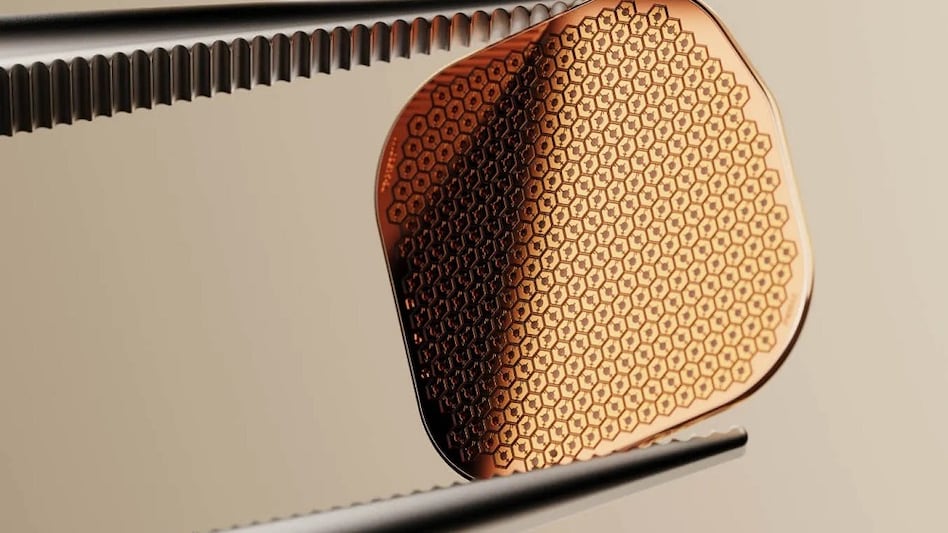
Shifting Focus: The Cost-Effectiveness of AI Models Takes Center Stage
In recent years, the AI sector has been intensely focused on identifying the most advanced models. While this pursuit re...
Business Insider | Jul 25, 2026, 13:10