Jensen Huang says Nvidia's AI chips are now being manufactured in Arizona
At the recent GTC conference, Nvidia's CEO Jensen Huang announced a significant milestone for the company: the full production of its Blackwell graphics processing units (GPUs) in Arizona. This marks a pivotal shift, as these cutting-edge AI chips were previously manufactured exclusively in Taiwan. Huang revealed that the impetus for relocating manufacturing to the U.S. came from a request by former President Donald Trump, who emphasized the importance of bringing jobs back to American soil for national security reasons. "The first thing that President Trump asked me for is to bring manufacturing back," Huang stated, underscoring the necessity of fostering the domestic economy. Earlier this month, Nvidia, in collaboration with Taiwan Semiconductor Manufacturing Company, commenced the production of Blackwell wafers in Phoenix—wafers being the foundational material for semiconductor fabrication. Additionally, Nvidia announced that systems powered by Blackwell technology would be assembled in the U.S. Much of the discussion at the conference aimed to persuade policymakers of Nvidia's critical role in the tech landscape and the potential repercussions of restricting its exports. Notably, Huang had planned for Trump to attend, but the president was engaged in a trip to Asia. Reports indicate that Trump intends to meet with Huang soon to further discuss these developments. The demand for Nvidia's GPUs remains robust, with 6 million Blackwell units shipped over the past year. Huang projected an astonishing $500 billion in sales for the combined Blackwell and next-generation Rubin chips. In a significant collaboration, Nvidia also announced a partnership with Finnish company Nokia to develop telecommunications equipment, which Huang values at $3 trillion. This partnership includes a $1 billion investment by Nvidia in Nokia's operations, focusing on building chips for 5G and upcoming 6G technologies. Huang emphasized the necessity of establishing American technology as the backbone of wireless networks, stating, "Thank you for helping the United States bring telecommunication technology back to America," while addressing Nokia's CEO. This collaboration comes amid ongoing scrutiny over the reliance on foreign technologies, particularly from China's Huawei, which has faced restrictions in the U.S. As part of the partnership, Nokia plans to utilize Nvidia's new product, Nvidia ARC, which integrates various GPU technologies, to enhance its base stations—essential components for cellular signal distribution. Huang also highlighted the transformative potential of AI over next-gen 6G networks, citing applications in robotics and accurate weather forecasting. The strategic choice of Washington for the conference underscores Nvidia's position as a fundamental player in the U.S. technology ecosystem. Huang argued that it would be more beneficial for U.S. interests if Chinese AI developers adopted American technology rather than creating their own. However, Nvidia faces challenges, particularly from U.S. export restrictions that have previously cost the company billions. Despite securing licenses for certain products, Huang pointed out that Nvidia is currently "100% out of China," with no market presence there. The company has yet to announce a newer chip aligned with its current Blackwell generation for the Chinese market. Additionally, Nvidia revealed partnerships aimed at advancing quantum computing capabilities, emphasizing the importance of maintaining a lead in this area amid concerns about foreign adversaries potentially exploiting quantum technology. The company plans to collaborate with 17 quantum startups to ensure compatibility with its GPUs, enabling more sophisticated applications in the future. In partnership with the Department of Energy, Nvidia is also set to construct seven new supercomputers, further solidifying its commitment to innovation in the tech arena.
Flock Safety's CEO Takes the Stage at TechCrunch Disrupt to Address Surveillance and Privacy Challenges
The ongoing discussion regarding the balance between privacy and public safety has become increasingly critical in the a...
TechCrunch | Jul 20, 2026, 14:45
Market Movers: U.S. Airstrikes on Iran, AI Tools for Investors, and 'The Odyssey' Soars at the Box Office
In a week marked by significant developments, the U.S. has intensified its military operations in Iran, completing its n...
CNBC | Jul 20, 2026, 12:35
OnePlus Rethinks Strategy: No OnePlus 16 Launch for India?
OnePlus is currently undergoing a significant overhaul of its global strategy, aligning its product launches and operati...
Business Today | Jul 20, 2026, 11:30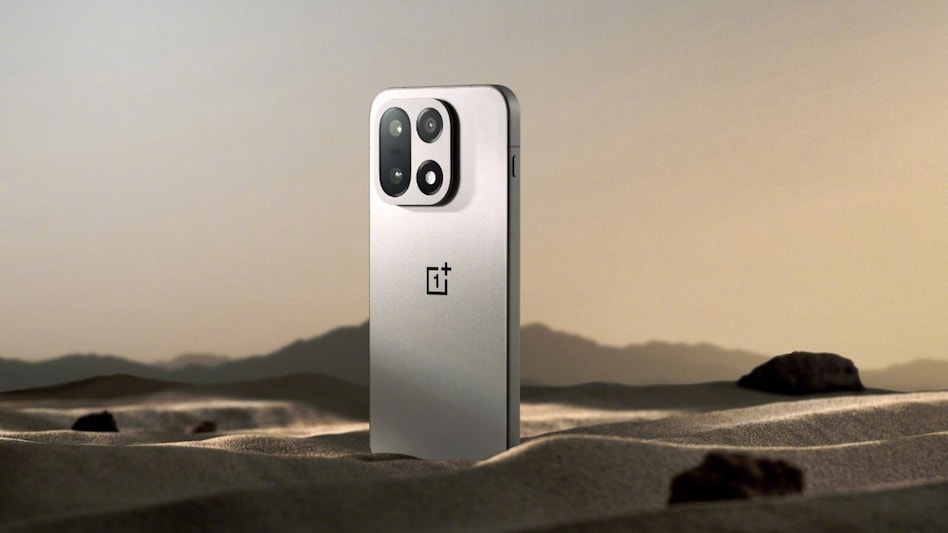
Emerging Legal Tech Startups Reshaping the Industry Landscape for 2026
The legal technology sector is experiencing a remarkable transformation, largely driven by advancements in artificial in...
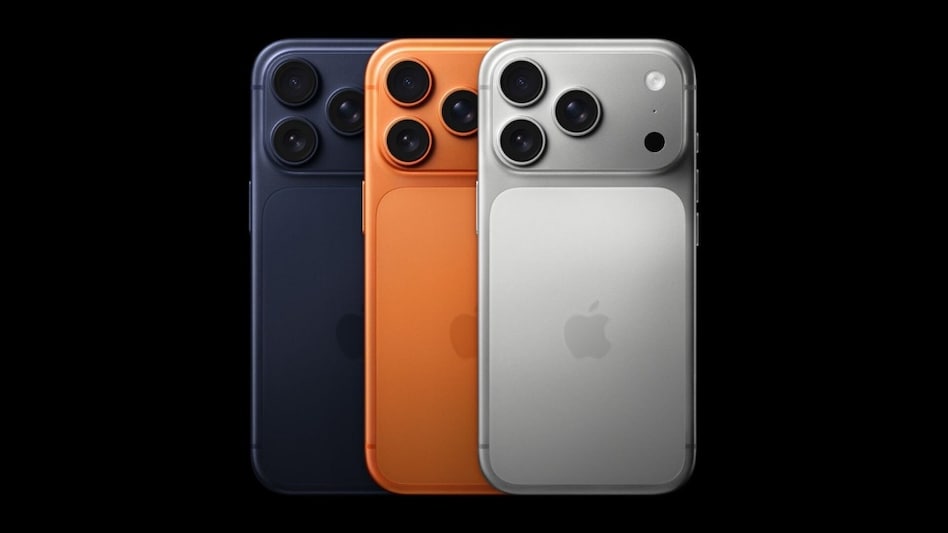
Business Insider | Jul 20, 2026, 06:20Apple's Price Surge: iPhone 17 Costs Climb in Japan—What's Next for India?
Apple has officially raised the prices of its iPhone 17 models in Japan, marking a significant increase that reflects a ...
Business Today | Jul 20, 2026, 05:30