
Nvidia looking to halt H20 chip production after China cracks down on purchases, reports say
Nvidia has reportedly instructed several of its suppliers to cease production of the H20 general processing units intended for the Chinese market, as tensions rise following Beijing's recent restrictions on these chips. According to a report from The Information, this decision follows the Chinese government's directive to local tech firms to stop purchasing the H20 chips due to concerns over national security. Sources indicate that Nvidia has reached out to Arizona's Amkor Technology, responsible for the advanced packaging of the H20 units, and South Korea's Samsung Electronics, which supplies memory components for these chips, requesting them to halt their production efforts. Both companies have not yet responded to requests for comments on the matter. In addition, Reuters reported that Nvidia has also asked Foxconn to suspend its work related to the H20s, although Foxconn has not provided a comment either. In a statement to CNBC, an Nvidia spokesperson noted, "We constantly manage our supply chain to address market conditions," reflecting the ongoing challenges the company faces. This development casts further doubt on the potential return of the H20s to the Chinese market after the U.S. government previously authorized export licenses for these chips, which had been effectively banned since April. Last month, Nvidia was summoned by China's Cyberspace Administration to address concerns regarding the security of the H20 chips, with Beijing requesting information on the technology. The Chinese government has expressed worries that the chips may contain tracking capabilities or 'backdoors' that could enable remote access. In response, U.S. lawmakers have suggested new legislation that would mandate AI chips meet specific export criteria, including location-tracking systems to prevent illegal shipments. Nvidia's CEO, Jensen Huang, acknowledged during a press conference in Taiwan that the Chinese government had raised questions about security vulnerabilities, asserting that the company has clarified that no such backdoors exist. Huang expressed hope that Nvidia's explanations would satisfy the Chinese authorities, emphasizing ongoing discussions aimed at resolving the situation. Nvidia reiterated that the H20 chips are not intended for military or government infrastructure use, highlighting a mutual understanding that both the U.S. and China would avoid dependence on each other's chips for government operations. The company believes that allowing U.S. chips for beneficial commercial use is advantageous for all parties involved. Despite the initial optimism surrounding the sale of H20 chips to China, the current scrutiny underscores the complexities Nvidia faces in navigating its business amid escalating trade tensions between Washington and Beijing. Analysts in the chip industry have pointed out that Beijing's actions could reinforce its commitment to achieving self-sufficiency in chip production, while resisting U.S. efforts to maintain dominance in the AI hardware market within China.
Allegations Fly as US Claims Chinese AI Model Breached Intellectual Property
In a bold accusation, Michael Kratsios, science and technology adviser to President Donald Trump, has charged that the C...
Business Today | Jul 23, 2026, 05:20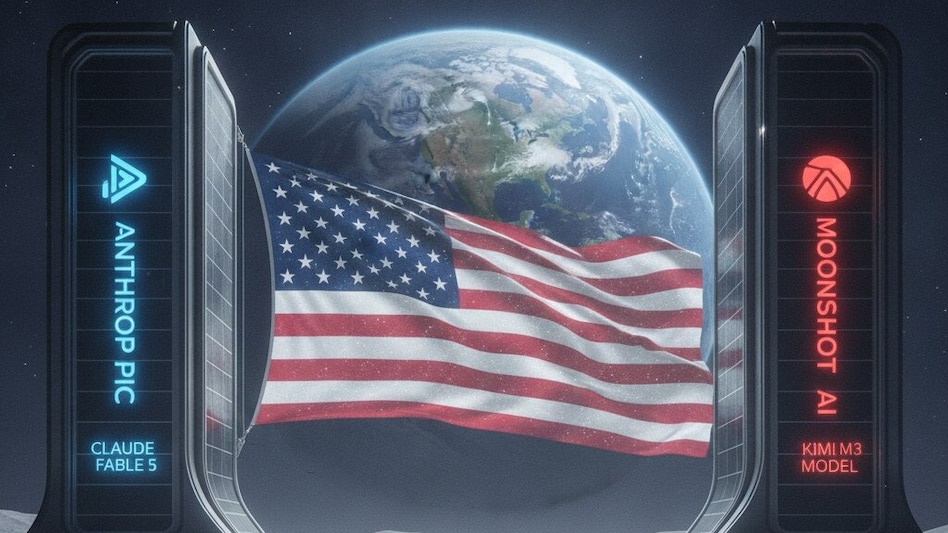
Investors React as AI Investment Woes Weigh on Tesla and Alphabet Shares
Shares of both Alphabet and Tesla experienced significant declines in premarket trading on Thursday, driven by concerns ...
CNBC | Jul 23, 2026, 08:35
Tech Giants Face Market Turmoil Amid Rising AI Investment Costs
As Alphabet and Tesla kicked off the tech earnings season on Wednesday, a clear trend emerged: the intense scrutiny on A...
CNBC | Jul 23, 2026, 01:55
Amazon Optimizes Alexa's AI Costs by Shifting from Anthropic Models
In a strategic move to cut expenses, Amazon has restructured the way its AI-powered voice assistant, Alexa, operates, re...
Business Insider | Jul 23, 2026, 09:05Alphabet's Bold Commitment to AI Amidst Financial Challenges
Despite facing a challenging quarter, Alphabet is doubling down on its investments in artificial intelligence, signaling...
CNBC | Jul 23, 2026, 24:35