Nvidia's bumpy November
Nvidia has experienced a challenging November, marking a significant shift for the chipmaker that has long enjoyed a dominant position in the tech industry. After reaching an all-time high in stock price, buoyed by increased AI investments from major players like Meta, Microsoft, and Google, the company found itself in a defensive stance. CEO Jensen Huang entered the month with optimism, having just addressed concerns about an AI bubble at Nvidia's GTC conference in Washington. However, as November progressed, the company's stock value plummeted by 11%, shifting from a narrative of robust earnings to one that some analysts believe signals an unsustainable trajectory. Short-sellers have become more vocal, and competition has intensified, particularly with Google entering the fray. Notably, SoftBank and prominent investor Peter Thiel liquidated their Nvidia holdings, with SoftBank selling $5.8 billion worth of shares to invest in OpenAI. Although the CFO claimed this decision was not a reflection of Nvidia's performance, it has sparked further speculation about the viability of the AI sector. In a bid to quell investor concerns, Nvidia announced its third-quarter earnings on November 19, exceeding analysts' expectations. Despite this, market sentiment quickly shifted, with fears about inflated tech valuations resurfacing. Internally, Huang expressed his frustration, revealing that he felt the market did not appreciate Nvidia's strong quarter during a private meeting with employees. Compounding these challenges was a report that Google was discussing a significant deal with Meta to supply advanced chips, putting Nvidia's market share at risk. Historically, Nvidia's chips have been essential for AI development among tech giants and startups alike, but these new developments have raised questions about its future dominance. In response to mounting criticism, particularly from investor Michael Burry, who has drawn parallels between Nvidia and Cisco during the dot-com bubble, Nvidia has defended its position. The company dismissed his claims as based on flawed calculations and reiterated that its strategic investments form a minor part of its revenue. Despite the tumultuous month, Nvidia remains the world's most valuable company by market capitalization, with its shares seeing a slight recovery recently. Major tech corporations continue to depend on Nvidia's technology, with expectations of substantial AI chip orders in the coming years. Huang remains resolute, stating, "Nvidia is unlike any other accelerator. We excel at every phase of AI, from pre-training and post-training to inference."
WhatsApp Unveils Major Updates for iPad and CarPlay Integration
WhatsApp is introducing a series of significant upgrades across its platforms, particularly focusing on iPad, CarPlay, a...
Business Today | Jul 23, 2026, 08:10
Revolutionizing Email: A New AI App Aims to Dethrone Gmail
In a bold move to transform the way we handle emails, two ambitious 23-year-old Swedes have introduced Scape, a desktop ...
Business Insider | Jul 23, 2026, 09:15Allegations Fly as US Claims Chinese AI Model Breached Intellectual Property
In a bold accusation, Michael Kratsios, science and technology adviser to President Donald Trump, has charged that the C...
Business Today | Jul 23, 2026, 05:20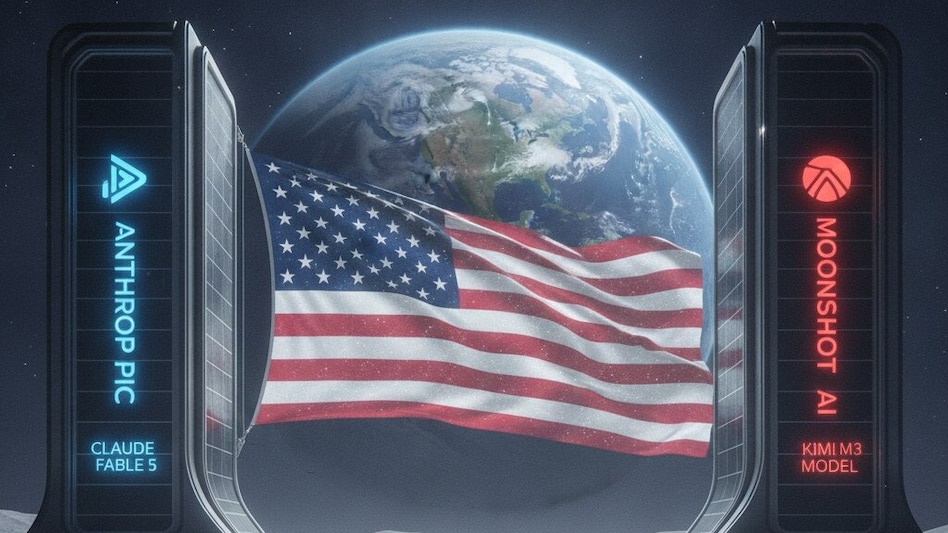
Tech Giants Face Market Turmoil Amid Rising AI Investment Costs
As Alphabet and Tesla kicked off the tech earnings season on Wednesday, a clear trend emerged: the intense scrutiny on A...
CNBC | Jul 23, 2026, 01:55
ServiceNow Invests $40 Million in Indian Banking Software Firm to Enhance Financial Services
ServiceNow, a prominent U.S. enterprise software provider renowned for streamlining workflows in IT and HR functions, is...
TechCrunch | Jul 23, 2026, 06:50