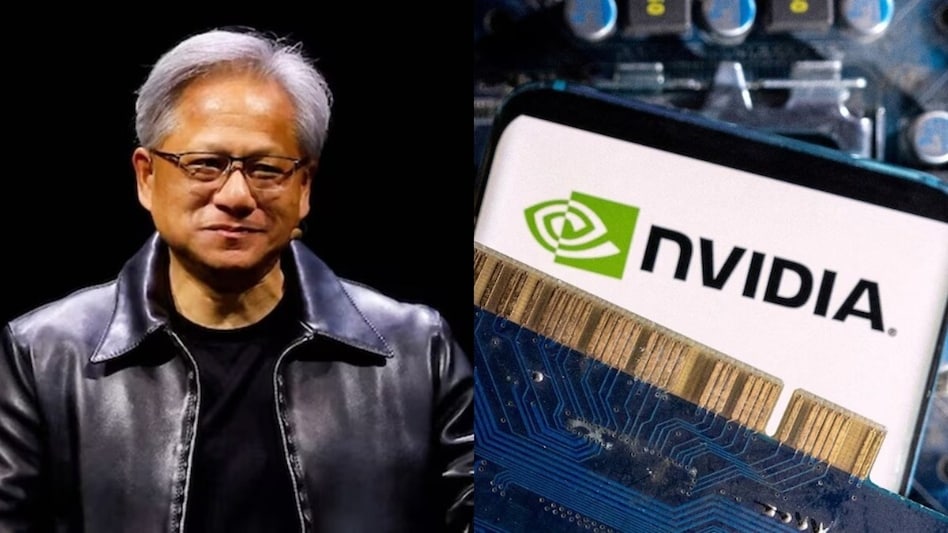
Nvidia CEO Jensen Huang says AI progress will come in waves, not a single breakthrough
Nvidia's CEO, Jensen Huang, has emphasized that the quest for supremacy in artificial intelligence will unfold gradually rather than through a singular, groundbreaking event. Speaking on The Joe Rogan Experience, Huang likened the current AI race to past technological rivalries, from innovations during World War II to advancements in Cold War defense strategies. Huang remarked, "We’ve always been in a tech race with someone," drawing parallels between the current AI landscape and the historic Manhattan Project. However, he pointed out a crucial difference: the pace of advancement. Rather than experiencing one monumental leap forward, AI is progressing through a series of incremental improvements that may appear modest at first but are transformative when viewed in hindsight. In just the past two years, Huang noted, AI systems have become nearly 100 times more capable. This rapid progression has raised concerns regarding autonomous weapons and machine decision-making potentially surpassing human ethical standards. Nonetheless, Huang highlighted that much of this acceleration is directed toward enhancing safety and reliability, making AI systems "more useful and less error-prone." He also addressed the involvement of the U.S. military in AI development, suggesting that military engagement can provide structure and accountability. According to Huang, this ensures that AI technology is incorporated into national security frameworks, rather than being left to "shadowy, unaccountable actors." During the conversation, Rogan expressed concerns about AI exceeding human judgment and the potential threats posed by quantum computing to modern encryption. Huang countered these doomsday scenarios, asserting that AI will always be "a click ahead" and reminding listeners that history is filled with episodes of societal panic over new inventions, which eventually led to the establishment of regulations and norms. Ultimately, Huang foresees a future where no single country or company emerges victorious in the AI race. Instead, he envisions AI as an invisible infrastructure seamlessly integrated into everyday life—becoming a reliable computing layer that supports essential systems like healthcare and transportation without drawing attention to itself.
Meta Faces Legal Challenge Over AI-Driven Layoff Practices
In a significant legal development, a group of current and former employees of Meta has filed a lawsuit against the tech...
CNBC | Jul 14, 2026, 20:25
Jim Cramer Warns Against Investing in IBM Amidst Major Corporate Spending Shift
On Tuesday, CNBC's Jim Cramer expressed concerns regarding IBM's recent financial struggles, highlighting a significant ...
CNBC | Jul 14, 2026, 22:55
Deepinder Goyal Unveils Ambitious Wearable Project Amid New Ventures
Following his success with Zomato, Deepinder Goyal is turning his attention to health technology and aerospace innovatio...
Business Today | Jul 15, 2026, 05:15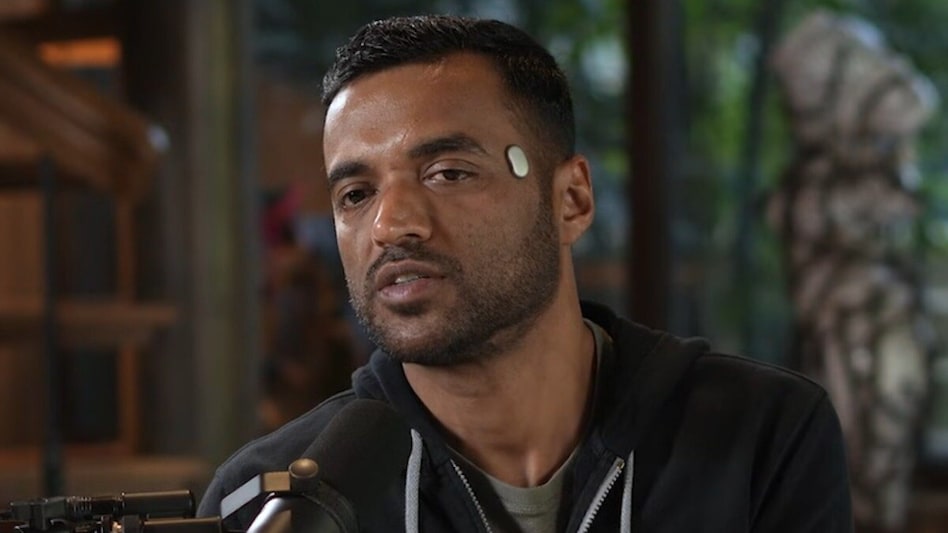
ASML Boosts Sales Outlook Amid Surge in AI Chip Production
On Wednesday, ASML announced an upward revision of its sales forecast, marking the second adjustment this year, driven b...
CNBC | Jul 15, 2026, 05:25
OpenAI Responds to Apple's Trade Secret Allegations, Claims Lack of Evidence
OpenAI has issued a statement in response to Apple's recent lawsuit concerning alleged trade secret theft, asserting tha...
Business Today | Jul 15, 2026, 05:15