
Nvidia, AMD may sell high-end AI chips to China if they pay US a cut
The competitive landscape of AI chips has taken a new turn, with Nvidia and AMD navigating a complex agreement involving revenue sharing with the U.S. government. Reports from the Financial Times reveal that both companies will remit 15% of their earnings from high-end AI chip sales to China, in exchange for the necessary licenses to operate in that market. According to sources familiar with the matter, Nvidia will contribute revenue from its H20 AI chip sales, while AMD is set to share a portion of its MI308 chip revenue. The U.S. government has begun issuing licenses that allow these transactions to proceed. Previously, under the Trump administration, sales of specific high-performance AI chips to China were restricted. However, this ban was temporarily lifted when Nvidia committed to invest up to $500 billion in domestic data centers. In a recent shift, Nvidia announced the resumption of H20 chip sales to China, tailored specifically to meet local market demands amidst changing regulatory landscapes. U.S. Commerce Secretary Howard Lutnick indicated that Nvidia's pivot was influenced by ongoing trade negotiations with China, particularly concerning rare-earth elements essential for manufacturing components like electric vehicle batteries. The government's decision to allow the sale of Nvidia's chips has sparked criticism from national security experts and former officials, who have urged a reevaluation of this approach.
Intel Secures Cybersecurity Client Fortinet for Next-Gen Chip Production
Intel has made a significant move in the foundry sector by partnering with Fortinet, a leader in cybersecurity solutions...
CNBC | Jul 21, 2026, 13:20
Oppo Raises Prices of K14 Series and A6s in India Amid Component Shortages
Oppo has announced a price increase for its budget-friendly K series smartphones, specifically the Oppo K14 and K14x mod...
Business Today | Jul 21, 2026, 09:35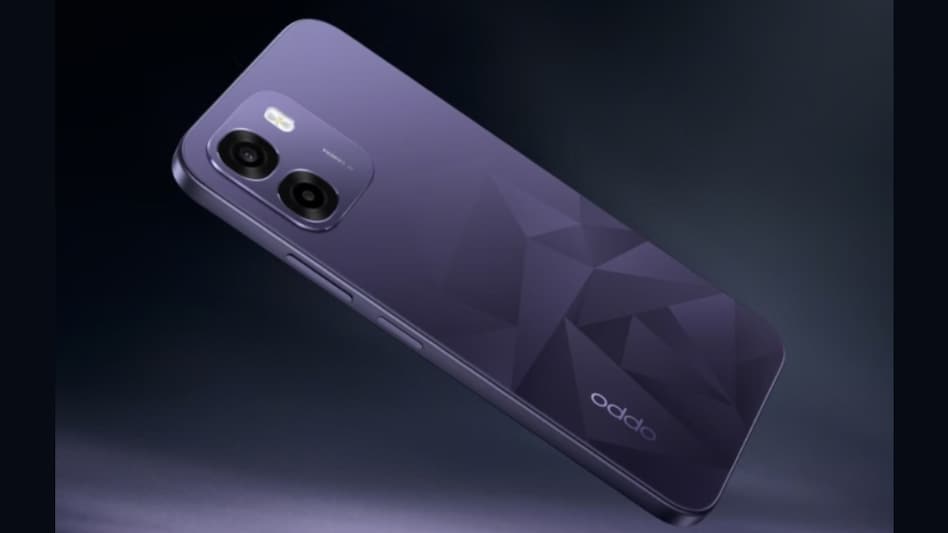
Kimi K3 Ignites Debate on China's AI Landscape Amidst Global Competition
The recent unveiling of Moonshot AI's Kimi K3 model has set the Chinese internet abuzz with conversations and comparison...
Business Insider | Jul 21, 2026, 09:30China Considers New Export Controls on AI Technologies and Semiconductors
In a significant move reflecting rising global tensions over advanced technologies, China is contemplating stricter expo...
Business Today | Jul 21, 2026, 10:55
Gritt Unveils $34 Million Initiative to Revolutionize Solar Panel Installation with AI-Driven Robotics
In a significant stride for solar energy deployment, Gritt has emerged from stealth mode, unveiling its ambitious plans ...
TechCrunch | Jul 21, 2026, 10:15