
Nvidia wants to be the Android of generalist robotics
At CES 2026, Nvidia unveiled a comprehensive suite of robot foundation models, simulation tools, and edge hardware, marking a bold step towards becoming the leading platform in generalist robotics. This strategic move mirrors the success of Android in the smartphone sector, as Nvidia seeks to transition AI from cloud-based systems to machines capable of learning and interacting within the physical world. The company showcased its full-stack ecosystem designed for physical AI, introducing new open foundation models that empower robots to reason, plan, and adapt across various tasks and environments. In a notable release, Nvidia presented models like Cosmos Transfer 2.5 and Cosmos Predict 2.5, which facilitate synthetic data generation and robot policy evaluation in simulated environments. Additionally, the Cosmos Reason 2 model enables AI systems to perceive and navigate the physical world, while the Isaac GR00T N1.6 model is tailored for humanoid robots, providing advanced whole-body control for complex movements. At the heart of these developments is the newly introduced Isaac Lab-Arena, an open-source simulation framework available on GitHub. This platform addresses a key challenge in the robotics industry: validating complex robotic tasks in real-world settings can be expensive and time-consuming. By consolidating resources, training tools, and benchmarks, Isaac Lab-Arena creates a standardized approach that enhances efficiency in robotic training and testing. Supporting this extensive ecosystem is Nvidia OSMO, an open-source command center that streamlines the entire workflow, integrating data generation and training across both desktop and cloud environments. The latest addition to Nvidia's hardware lineup, the Blackwell-powered Jetson T4000 graphics card, offers a cost-effective computing solution with impressive capabilities, delivering 1200 teraflops of AI compute power while maintaining energy efficiency. In a bid to democratize robotics development, Nvidia is strengthening its collaboration with Hugging Face, allowing broader access to robot training tools without the need for expensive hardware or specialized expertise. This partnership integrates Nvidia’s technologies into Hugging Face’s LeRobot framework, connecting millions of robotics developers with AI builders. The open-source Reachy 2 humanoid is now compatible with Nvidia's Jetson Thor chip, enabling developers to explore various AI models freely. Nvidia's overarching vision is to simplify robotics development and position itself as the essential hardware and software provider in the industry, akin to the role Android plays for smartphone manufacturers. Early indicators suggest that this strategy is gaining traction, as robotics has emerged as the fastest growing category on Hugging Face, with Nvidia’s models leading in downloads. Prominent robotics companies, including Boston Dynamics and Caterpillar, are already leveraging Nvidia’s cutting-edge technology.
Oppo Raises Prices of K14 Series and A6s in India Amid Component Shortages
Oppo has announced a price increase for its budget-friendly K series smartphones, specifically the Oppo K14 and K14x mod...
Business Today | Jul 21, 2026, 09:35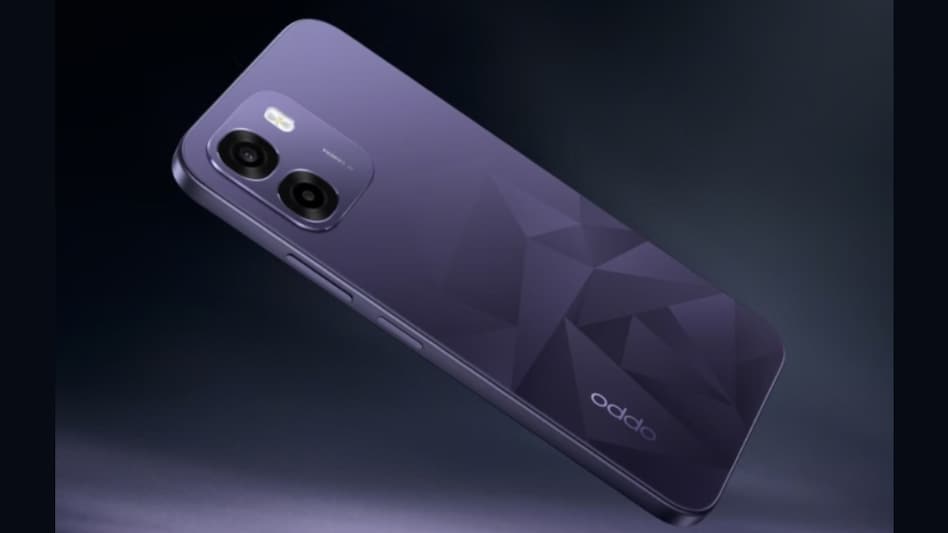
Gritt Unveils $34 Million Initiative to Revolutionize Solar Panel Installation with AI-Driven Robotics
In a significant stride for solar energy deployment, Gritt has emerged from stealth mode, unveiling its ambitious plans ...
TechCrunch | Jul 21, 2026, 10:15
Market Insights: GM's Strong Earnings, AI Leadership Shakeup, and More
In today's financial landscape, significant developments are shaping investor sentiment. JetBlue has successfully acquir...
CNBC | Jul 21, 2026, 12:45
Anthropic Secures Unprecedented $1.5 Billion Settlement in Copyright Case
Anthropic has reached a monumental $1.5 billion settlement with a group of authors who accused the company of utilizing ...
Business Today | Jul 21, 2026, 13:10
A Shift in Trends: Computer Science Enrollment Declines Amid AI Advancements
The surging popularity of ChatGPT might signal a pivotal moment for computer science education in the United States. For...
Business Insider | Jul 21, 2026, 13:35